Diamondback Sorrento Mountain Bike Used-Buying Review
Identify a used Diamondback Sorrento, inspect its frame, fork, brakes, wheels, and drivetrain, then budget repairs before deciding whether to buy.
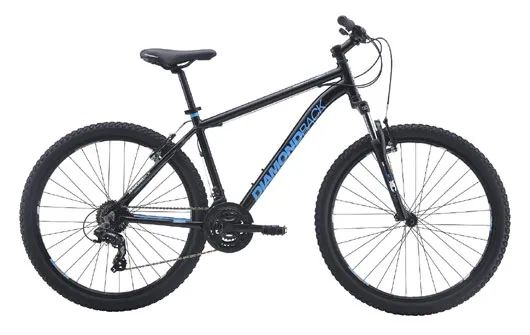
Table of Contents
Buy a Diamondback Sorrento only after identifying the exact bicycle and checking fit, structure, steering, wheels, brakes, cranks, pedals, and drivetrain. The model name covered different years, sizes, and component packages, so an old specification list cannot tell you what is on the bike in front of you.
This is a research-based used-bike guide, not a current-product recommendation. We did not ride, measure, or mechanically inspect a Sorrento.
What current research can and cannot establish
In a documented bounded US-English search performed on August 19, 2026, we did not establish a current Diamondback Sorrento product page or an authoritative current model record. That result does not prove the Sorrento is discontinued, unsupported, unavailable, or no longer sold. Search results were mainly third-party reviews, historical material, owner discussions, and the existing BikeRideReview page.
Diamondback’s current FAQ says its bicycle manuals are not model-specific. It also points owners toward a serial number under the frame near the crank area and notes that size guidance on current product pages is model-specific. The FAQ is useful process evidence, but it does not identify an older Sorrento or transfer a modern bicycle’s specifications to it.
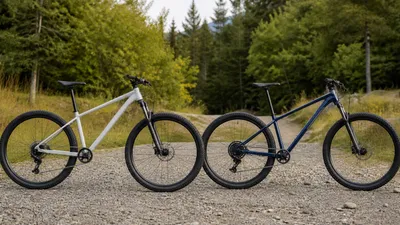
The hero image on this page is a migrated legacy product image. It helps illustrate the review subject; it does not prove the model year, exact size, components, condition, availability, or a hands-on test of a seller’s bike.
Identify the exact Sorrento first
Ask for clear photos before arranging a viewing. Get both sides of the complete bike plus close views of the model decals, serial area, frame-size marking, fork label, brakes, shifters, crank, rear cogs, wheels, tires, and any damage. Record the wheel size from the tire sidewall instead of guessing from proportions.
Do not combine specifications from separate Sorrento reviews. One page may describe a 27.5-inch aluminum hardtail while another concerns a 26-inch or much older bicycle. Frame material, fork travel, brake type, drivetrain, and sizing can differ by year and size. Component replacements create another layer of uncertainty.
If the seller cannot identify the year, treat every specification as unknown until the actual part or a matching period document confirms it. A name on the down tube is not a model-year record.
Inspect the frame, fork, and steering
Start with the structure because cosmetic improvements cannot make a damaged frame or fork safe. Clean enough dirt to inspect the head tube, down tube, top tube, seat cluster, bottom-bracket area, chainstays, seatstays, and both dropouts.
Do not ride the bike if you find a crack, deep dent, separated joint, bent tube, severe corrosion, damaged dropout, or a fork that binds, leaks, or has unexplained play. Hold the front brake and gently rock the bike to check the headset. Turn the bars through their normal range and verify that steering is smooth, cables are not pulled tight, and the stem and handlebar do not move independently.
The CPSC bicycle FAQ identifies assembly, braking, structural integrity, wheels, steering parts, pedals, cranks, and fasteners among regulated bicycle safety areas. It does not certify an old Sorrento. Suspected structural or steering damage needs a qualified bicycle mechanic’s assessment.
Check wheels, tires, and brakes
Lift one end of the bike at a time and spin each wheel. Look for a tire bead that rises and falls, a rim that moves side to side, broken or very loose spokes, hub play, rough bearings, and axle hardware that does not seat securely. Replace cracked, hardened, cut, or badly worn tires before a test ride.
Squeeze each brake hard while the bike is stationary. The lever should not reach the grip, the brake should engage predictably, and its mounting hardware should stay put. Inspect cables and housings for corrosion or fraying. If the bike has rim brakes, check pad alignment and rim wear. If it has disc brakes, inspect the rotor, caliper mounting, and pad condition without contaminating braking surfaces.
Stop before riding if either wheel is loose, the tire bead will not seat, a rim is structurally damaged, or either brake cannot hold its wheel firmly.
Check cranks, pedals, and drivetrain
Hold each crank and pedal and feel for side play. Rotate the cranks slowly to look for a bent chainring, rough bottom bracket, damaged pedal threads, or a chain that catches. Shift through every available gear while the rear wheel is safely supported, then use only light pedal pressure during a controlled test.
A worn chain can accelerate wear on the rear cogs and chainrings. Skipping under load may require more than a cable adjustment. Bent derailleur parts, damaged hangers, corroded cables, and worn teeth can turn a low purchase price into a larger repair.
Do not assume a replacement fork, wheel, crank, brake, or drivetrain part fits because another Sorrento used it. Match the exact frame interface, wheel and axle standard, steerer, brake mount, tire clearance, chainline, and manufacturer limits.
Confirm fit before price
Find the frame-size marking and compare the bicycle with one that already fits. Check standover clearance, reach, saddle-height range, handlebar position, and access to both brake levers. A bargain that is too large or too small is not corrected by lowering or raising the saddle beyond its limits.
Use the mountain-bike size guide as a starting process, not a substitute for the exact bike’s geometry. If fit remains uncertain, ask a shop to assess it before buying parts.
Build a repair-cost worksheet
Add the seller’s price to every immediate repair: tires, tubes, rim tape, cables, brake pads, chain, rear cogs, chainrings, bearings, wheels, fork work, and shop labor. Include safety inspection and setup when the bicycle’s service history is incomplete.
Older suspension forks deserve a conservative estimate. Parts and service information may be hard to match without the exact fork label. A replacement must match the frame, wheel, axle, steerer, brake, travel, and clearance limits. Do not install a longer fork to change the bicycle’s capability.
Compare the complete cost with a documented current hardtail, not only another low asking price. Current bikes may offer clearer size charts, manuals, replacement support, and warranty terms, while the Sorrento’s value depends on its exact identity and condition.
Questions for the seller
Ask for the model year, frame size, ownership history, storage conditions, crashes, modifications, replaced parts, last service, and reason for selling. Request close photos of every dent, scratch, rust area, and cable route. Ask whether the wheels remain true, both brakes stop firmly, every gear works, and the fork has been serviced.
Seller answers are leads, not proof. Compare them with the bicycle and its markings. Walk away from contradictory descriptions, freshly hidden damage, a missing or altered serial area, unexplained frame or fork work, or pressure to skip inspection.
Safe first ride and intended use
After a stationary inspection and any needed mechanic work, choose a flat, traffic-free area. Test steering, braking, wheel security, and shifting at walking pace before increasing speed. Stop immediately for knocking, brake fade, wheel movement, chain skipping, loose cranks or pedals, or a change in steering.
Without matching model-year documentation, do not assume the bike is suitable for jumps, drops, bike-park features, fast technical descents, or aggressive terrain. A visually similar bicycle can have different limits, and age or damage can reduce its safe use.
Verdict
A used Diamondback Sorrento can be worth considering when the exact bicycle fits, its identity is understood, its frame and fork are sound, every safety system works, and the complete repair cost remains sensible. Skip any example with structural damage, unsafe brakes or wheels, unexplained modifications, uncertain fit, or a repair estimate that erases the value.
The bounded search did not establish a current Sorrento product page or authoritative current model record. It also did not establish any negative market or support status. Decide from the exact used bicycle, verified documentation, and a condition-first inspection.