How to Clean Bike Tires Safely
Clean bicycle tires with water, mild soap, and a soft brush. Skip tire shine, solvents, and pressure washing, then inspect the rubber and brakes for damage.
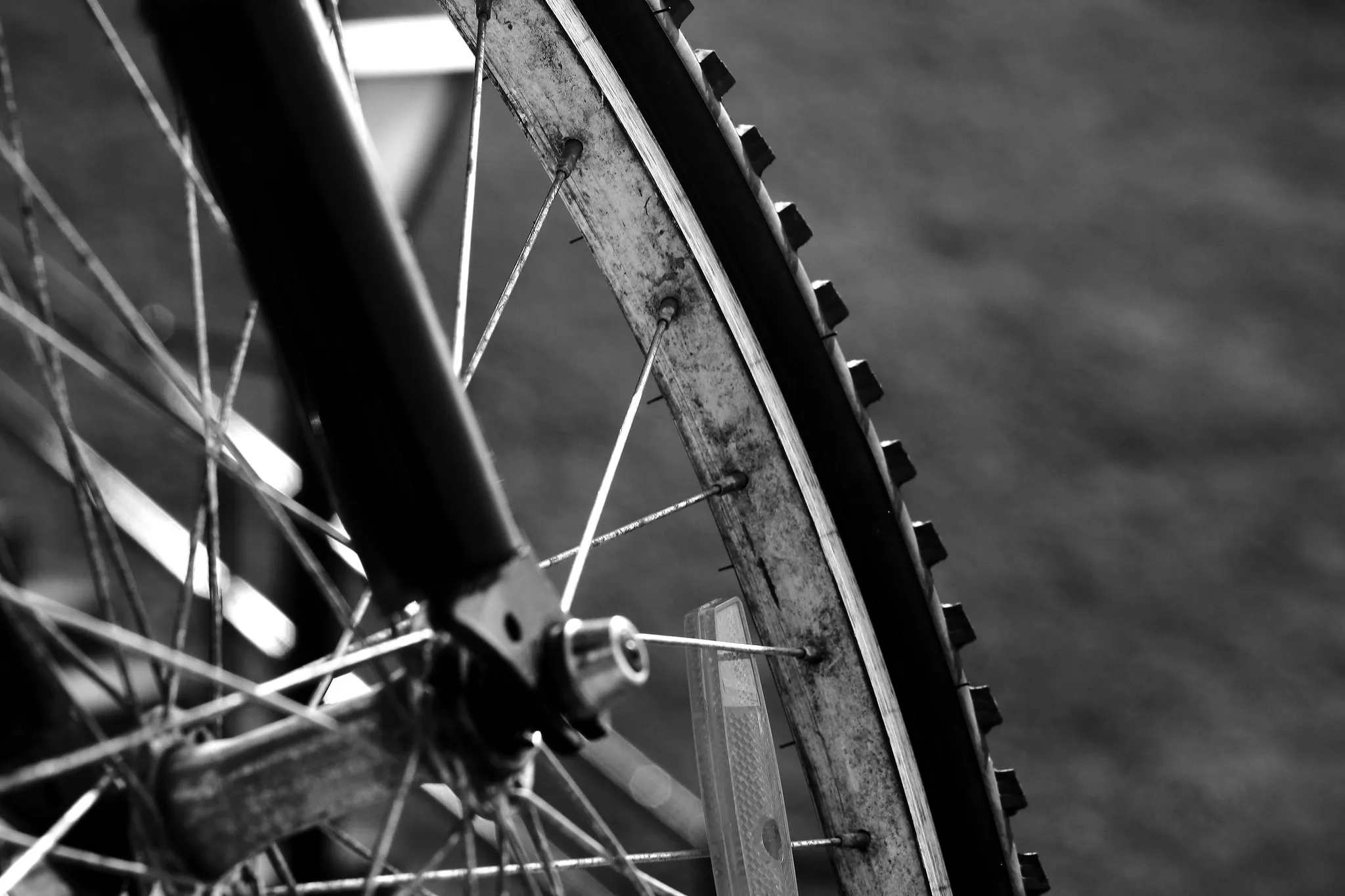
Make bike tires look clean, not artificially glossy. Rinse away loose grit, scrub the tread and sidewalls with mild soapy water and a soft brush, rinse at low pressure, and dry the wheel. Do not apply tire shine, oil, silicone dressing, or another slippery coating to bicycle tread.
Keep products off braking surfaces
Do not spray cleaner or dressing near disc rotors, brake pads, or rim-brake tracks. If oil or dressing reaches a braking surface, do not ride until the brake has been inspected and restored.
Inspect the tires before cleaning
Deflate only if the tire maker’s procedure requires it. Otherwise, leave enough pressure for the tire to hold its shape and rotate the wheel slowly. Look for cuts, bulges, exposed casing threads, damaged beads, embedded objects, and sidewall cracking.
Cleaning cannot make unsafe rubber serviceable. Schwalbe’s tire-wear guidance says a tire has reached its wear limit when casing or puncture-protection material shows through. Replace a damaged tire instead of hiding the defect.
How to clean bicycle tires
- Stabilize the bike where dirty water can drain safely.
- Rinse loose mud with a gentle stream. Avoid pressure washers.
- Mix mild soap and water according to the bicycle or cleaner maker’s advice.
- Use a dedicated soft brush on tread and sidewalls. Keep the brush away from brakes and the oily drivetrain.
- Work out embedded grit carefully without cutting the rubber.
- Rinse with low pressure and wipe dry.
- Clean rims with the method approved for their material and brake type.
- Inspect the tire again, set the correct pressure, and check the wheel installation.
Park Tool’s bike-washing procedure recommends mild soapy water and a low-pressure rinse. It also separates drivetrain brushes from the rest of the bike.
Should you use tire shine?
No. A bicycle leans onto the edge of its tread in corners, so a cosmetic coating can reach a working contact area or nearby brake surface. The British Tyre Manufacturers’ Association warns that sidewall dressing must never reach tread because it can make the tread slippery, and that overspray can affect brakes (BTMA tire-care guidance).
A clean matte finish is the safe goal. Darker color after washing does not mean the rubber has been renewed, and no cleaner reverses age or structural damage.
What about whitewalls and colored sidewalls?
Use only a cleaner approved by the tire manufacturer for that casing and finish. Test it on a small sidewall area, keep it off the tread and brakes, and rinse thoroughly. Do not use bleach, petroleum solvent, abrasive pads, or a homemade acid mixture unless the tire maker explicitly approves it.
Clean the rest of the wheel separately
The hub and cassette need different tools and chemistry from tire rubber. Do not drive water into hub bearings. Follow the rear-cassette cleaning guide and inspect tire direction if the wheel was removed.
If the tire is tubeless, watch for sealant at the bead or valve and use the tubeless installation checks to diagnose a leak. If it uses a tube, review how long a tube patch can last before deciding whether to reuse a repaired tube.
This article is research-based. Tire, rim, brake, and bicycle manufacturer instructions take priority.