How to Build a Bike Tool Kit for Home and Road Repairs
Build a bike tool kit in layers: roadside flat-repair tools first, then add home hex, torque, chain, cable, cassette, and model-specific tools safely.
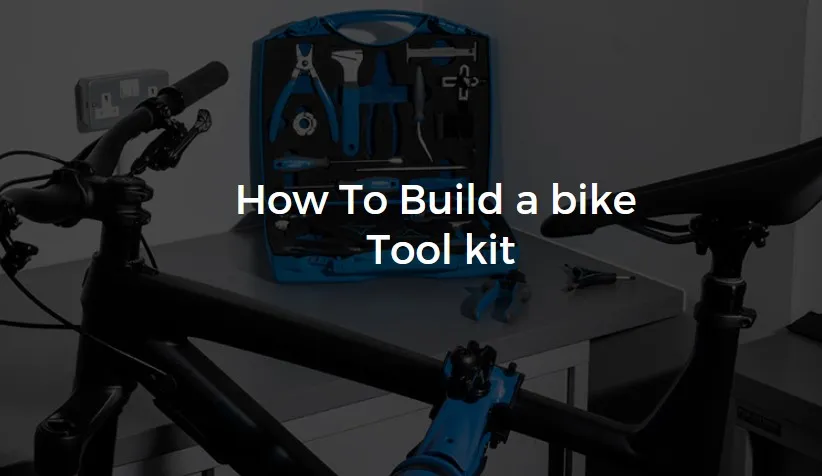
Build a bike tool kit in layers. Start with what gets you home after a flat, add general hand tools for routine maintenance, then buy drivetrain and bearing tools only when a specific job requires them.
Avoid cutting down household wrenches or screwdrivers to make a tiny kit. A compact bicycle multi-tool is safer, while full-size tools give better control at home.
Roadside kit: carry this first
Every ride kit should match the bike and tire system:
- One or two compatible spare tubes, even for a tubeless bike
- Tire levers safe for the rim and tire
- A mini pump or reliable CO2 inflator plus enough cartridges
- A patch kit
- A bicycle multi-tool with the hex and Torx sizes used on the bike
- A compatible chain connecting link
- A small chain tool, either separate or built into the multi-tool
- A tire boot for a cut casing
- Tubeless plugs if the bike is tubeless
- A way to call for help when a repair is unsafe or impossible
Practice using the tools at home. A spare tube is not useful if the wheel’s thru-axle requires a lever or hex key you did not pack.
Basic home-workshop kit
Park Tool’s home-mechanic tool list includes the common measuring and hand-tool categories used across bicycles. You do not need the entire list on day one.
Hex and Torx tools
Most modern bikes use metric hex fasteners, commonly 2 through 8 mm. Disc-brake rotors and other components often use T25 Torx. Buy tools that fit the bolt fully without wobbling.
Do not substitute a nearly fitting imperial key. Rounded stem, brake, and crank bolts are difficult to remove and can hide an unsafe clamp.
Torque wrench
A low-range torque wrench is valuable for stems, handlebars, seatposts, brake hardware, and carbon components. The tool does not supply the correct number; use the marking on the component or the manufacturer’s service instructions.
The threads and contact surfaces must also match the specification. A dry torque value should not be applied to a greased bolt unless the manufacturer says so.
Screwdrivers
Keep a quality cross-tip screwdriver and a medium flat-blade screwdriver. Choose the correct tip standard and size. A loose-fitting driver damages adjustment screws.
Before treating surface corrosion as a cleaning job, use the handlebar corrosion guide to distinguish removable rust from pitting, cracks, or damage that calls for replacement.
Pump with a gauge
A floor pump makes routine pressure checks faster than a mini pump. The head must fit Presta, Schrader, or the adapter you use. Inflate within the lower limit imposed by the tire, rim, and tubeless system.
Our guides explain how to inflate a tubeless tire and why recurring flats happen.
Cleaning tools and lubricant
Use separate brushes for the drivetrain and frame, clean rags, mild bike-safe cleaner, and a chain lubricant suited to the riding conditions. Do not use one solvent on every bearing, brake, and painted surface.
Read how to clean a bicycle chain and what to use as chain lubricant before improvising with household chemicals.
Add tools by job
Chain service
Add a chain-wear gauge, chain tool, and connecting-link pliers. Confirm that the tool supports the chain’s speed and design. Some chains require a brand-specific connecting pin or reusable/nonreusable link.
Compare a full-size home chain breaker with a compact carry tool, including their exact derailleur and single-speed compatibility limits.Cables and housing
Use bicycle cable-and-housing cutters, not ordinary diagonal cutters. A clean, square cut prevents crushed housing and frayed cable ends. Keep the correct end caps and ferrules for the system.
Hydraulic hoses require system-specific cutters, inserts, olives, fluid, and bleed tools. Do not open a hydraulic brake without the correct service instructions.
Cassette and freewheel work
A cassette needs a lockring tool that matches the lockring and a chain whip or cassette pliers. A threaded freewheel uses a different remover and does not use a cassette lockring.
The distinction matters when installing a single-speed conversion kit.
An electric conversion is a system-integration job, not a reason to improvise with ordinary hand tools. Screen the frame, fork, motor interface, brakes, battery mount, and wiring first; use a qualified installer whenever the maker’s procedure, electrical checks, or safety-critical torque work exceeds your equipment and training.
If the screened bicycle can accept a hub system, compare geared and direct-drive hub-motor architectures before buying model-specific installation tools.
Pedals and cranks
Pedals may use a thin 15 mm pedal wrench, an internal hex fitting, or both. Remember that the left pedal has a left-hand thread. Our Shimano pedal-removal guide covers the safe direction and tool placement.
Crank and bottom-bracket tools are highly model-specific. Identify the crank system before buying a puller, preload tool, bearing cup socket, or press.
Wheels
A spoke wrench must match the nipple exactly. Wheel truing also requires an understanding of spoke tension, dish, and rim condition. Tightening the loose-looking spoke without diagnosis can make the wheel worse.
Use the rear-wheel wobble guide to distinguish a tire problem, bent rim, hub play, and loose wheel before reaching for a spoke wrench.
Tools not to buy generically
Identify the component before ordering:
- Bottom-bracket sockets and presses
- Cassette and freewheel removers
- Crank pullers
- Brake bleed kits and fluid
- Suspension tools and lubricants
- Headset and bearing presses
- Electronic drivetrain diagnostic tools
A product name such as “universal bike tool kit” does not guarantee compatibility.
Organize the kit
Keep roadside tools on the bike and home tools in labeled drawers or a case. Group small adapters with the component they service. Store torque wrenches at their manufacturer’s recommended setting and keep cutting edges protected.
Maintain a short bike-specific note listing:
- Axle tool and torque
- Stem and handlebar fastener sizes
- Seatpost and saddle fastener sizes
- Brake-pad model
- Chain speed and connecting link
- Cassette or freewheel type
- Bottom-bracket and crank model
- Tubeless valve and sealant type, if applicable
This prevents guessing when a repair starts.
Know when to stop
Use a professional mechanic when the frame or fork is cracked, steering binds, hydraulic brakes leak, suspension needs internal service, a press-fit bearing seat is damaged, or you cannot confirm a safety-critical torque or compatibility requirement.
A tool collection does not replace diagnosis. Test every serviced system at low speed in a traffic-free area before returning to normal riding.
Bottom line
Start with flat-repair and bike-specific roadside tools. Add full-size hex tools, a torque wrench, pump, cleaning supplies, and chain tools for routine home work. Buy specialized tools only after identifying the exact component and reading its service procedure.