How to Install Tubeless Bike Tires
Install tubeless bike tires with compatible rims, tires, tape, valves, and sealant. Seat both beads within the makers' limits, then inspect for leaks.
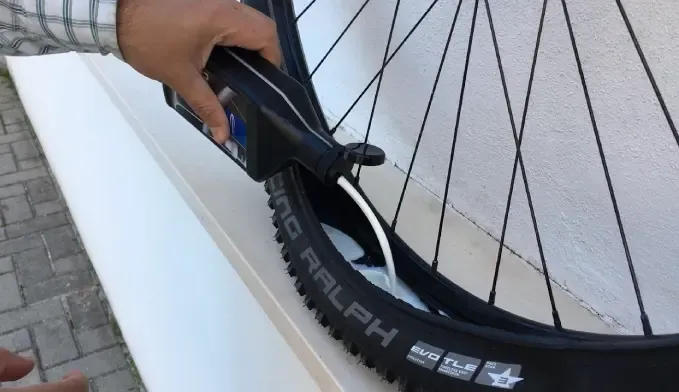
Install a tubeless bicycle tire by confirming tire-and-rim compatibility, preparing the rim, applying the specified tubeless tape, fitting a compatible valve, mounting the tire, adding an approved amount of sealant, and inflating only within the tire and rim limits. Inspect both bead lines and check for leaks before riding.
Compare tubeless with a conventional inner-tube setup before converting a wheel that already works.
Stop if compatibility or pressure limits are unclear
An incorrectly matched or seated tubeless tire can leave the rim suddenly. Do not improvise a conversion on a rim or tire that is not approved for tubeless use. Never exceed the lower limit stated by the rim or tire manufacturer.
Check compatibility and gather supplies
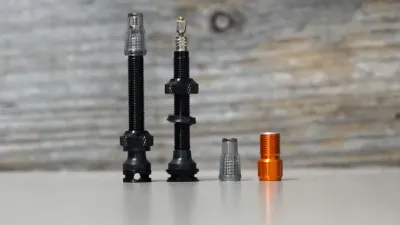
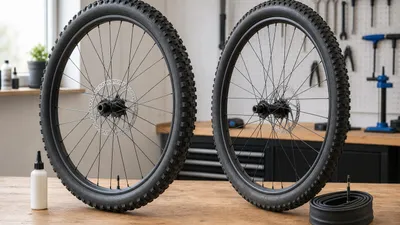
Confirm the exact tire and rim are tubeless-compatible with each other, including hooked or hookless requirements. You need the correct-width tubeless tape, a valve whose length and base suit the rim, compatible sealant, tire levers approved for the rim, a valve-core tool if required, and a pump or inflator suitable for the system.
Choose between an integrated charge-chamber pump and an everyday floor pump based on the airflow the approved tire-and-rim combination actually needs.
Stan’s complete tubeless tire guide provides a current overview of the parts and setup process. For valve selection, use the tubeless valve-stem guide. For the liquid itself, compare the tubeless sealant picks and follow the selected maker’s current volume chart.
Prepare and tape the rim
- Remove the wheel, old tire, tube, and old tape as appropriate.
- Inspect the rim bed, bead seats, valve hole, and tire. Stop for cracks, dents, sharp damage, or a compromised bead.
- Clean the rim bed only with the product and method approved by the rim and tape manufacturers.
- Let the rim dry completely.
- Apply tape at the specified width, direction, overlap, tension, and number of layers. Press it into the rim bed without wrinkles or trapped air.
- Open only the valve hole with the method specified by the tape maker. Do not enlarge or damage the rim hole.
Tape requirements vary. Stan’s troubleshooting documentation notes that air appearing near the valve can originate from a tape leak elsewhere in the rim cavity.
Measure internal rim width and confirm full spoke-hole coverage without obstructing the bead seats before selecting tubeless tape.
Install the valve and tire
Insert the valve through the tape without tearing it. Seat the correct rubber base squarely against the rim bed and tighten the retaining nut as the valve maker directs. Excessive nut force is not a repair for bad tape or an incompatible valve.
Check the tire’s rotation arrow, then mount one bead. Mount most of the second bead while keeping it in the rim’s center channel. Add the tire maker’s specified sealant amount either before closing the final section or through a removable valve core, depending on the product instructions. Finish by hand where possible and avoid damaging the bead with a lever.
The tire-direction guide explains how to read front, rear, and rotation markings.
Inflate and seat the beads
Remove the valve core only if the setup instructions call for more airflow. Use the least aggressive inflation method that seats the tire. Keep fingers and face away from the bead while inflating.
Watch the molded bead line on both sides. It should remain an even distance from the rim all the way around. Stop immediately for a lifting bead, sudden bulge, damaged tape, or a pressure approaching the system’s limit without proper seating.
Reinstall the valve core correctly, set a pressure allowed by both manufacturers, then rotate and gently shake the wheel to distribute sealant. Use our tubeless inflation guide for troubleshooting air delivery, not as permission to exceed limits.
Check before riding
Use soapy water or the maker’s approved leak-check method at the tread, sidewalls, beads, valve, and spoke holes. Recheck pressure after the settling period stated by the sealant maker. Confirm the wheel and brake are correctly installed before a careful test ride.
If pressure continues to fall, isolate the valve, casing, bead, tape, and rim leak with the dedicated tube-or-tubeless diagnostic.
Carry a compatible repair method and tube on remote rides. Add sealant later only according to its maker’s schedule and method; see how to add tubeless sealant and when to check its level. A valve-core tool can help, but only on removable cores.
This procedure is research-based. The exact rim, tire, tape, valve, and sealant instructions override general steps.