How To lock Your Bike -Protect Mountain Bike Smartly
Lock the frame to an immovable rack with a quality U-lock or chain, secure vulnerable wheels, remove accessories, and choose a visible location.
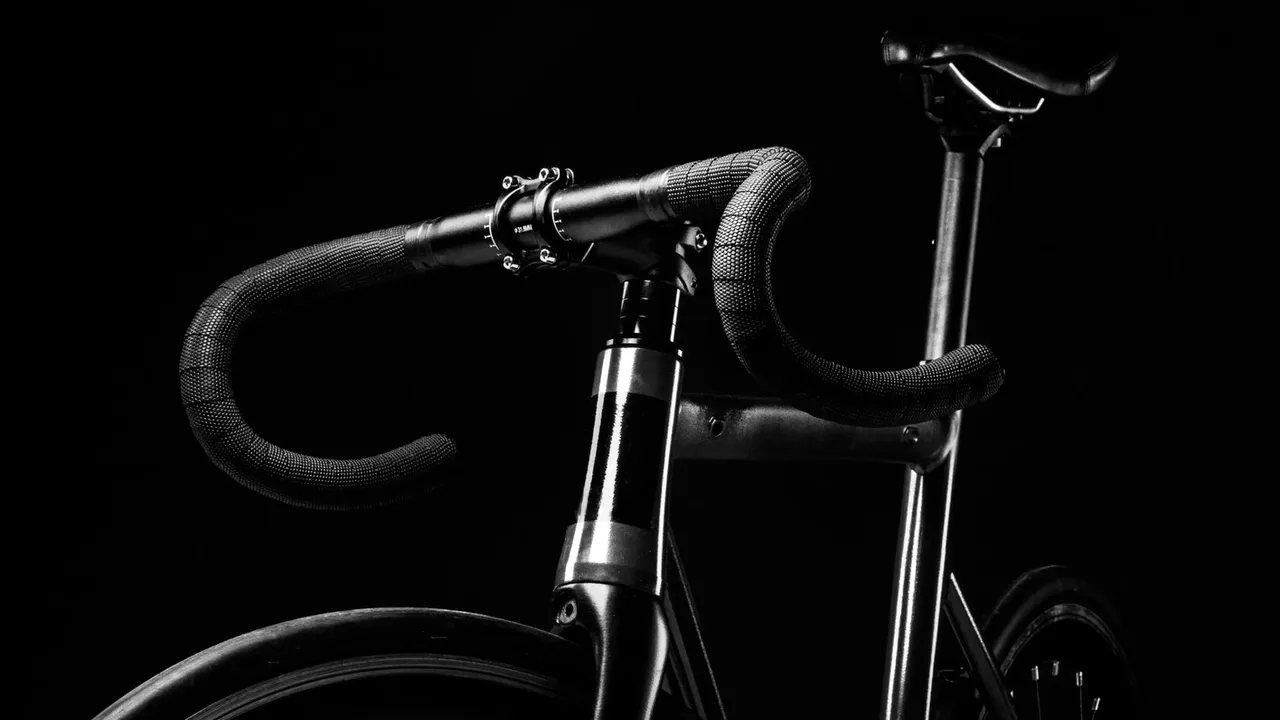
Lock the bike’s frame to a solid, immovable rack with a quality U-lock or hardened chain. Secure quick-release or high-value wheels too, keep the lock away from the ground, and remove lights, bags, and other easy-to-take accessories.
No lock makes a bicycle theft-proof. The goal is to reduce opportunity, resist common attacks, and make your bike less attractive than an easier target.
Choose a secure location
Use a rack that is firmly anchored and closed at the top. A signpost can be lifted out or allow the bike to be raised over it. Avoid objects that can be cut quickly or locations where the bike blocks access.
Prefer a busy, well-lit area with regular foot traffic. For long stays, indoor controlled storage is better than any street lockup.
Lock the frame first
Pass the primary lock around a strong part of the frame and the rack. Do not lock only a wheel, seatpost, or removable accessory.
Fill unused space inside a U-lock with the bike and rack. This reduces room for tools. Position the keyway where you can operate it without placing the lock flat on the ground.
Secure the wheels
Quick-release wheels need a secondary lock, locking skewers, or removal. One common method is a U-lock through the rear wheel and frame, plus a hardened cable or second lock through the front wheel.
A cable is convenient but generally better as a secondary restraint than the main lock. Match the security level to the bike’s value, location, and parking duration.
Remove accessories
Take lights, computers, pumps, panniers, and removable batteries with you. Close or remove a bike basket if it contains loose items. Record serial numbers for the bike and major components.
Register the bike with a legitimate service used in your area and keep dated photographs and proof of purchase. If it is stolen, report it to local police and provide the serial number. Do not confront a suspected thief.
Avoid common mistakes
- Do not lock only the front wheel.
- Do not leave a large gap inside the lock.
- Do not rely on a thin cable for high-risk parking.
- Do not hide the bike in an isolated place where an attacker has time.
- Do not leave the same bike in the same outdoor location for days.
Check the bike after attempted theft
If a lock or rack shows attack marks, inspect the frame, wheels, brakes, and steering before riding. Stop if any safety-critical part may be bent, loose, cut, or damaged. Have a qualified bicycle mechanic inspect it.
For travel, include security in the full load plan described in our bikepacking tips. For safer trips after dark, use the setup guidance in daytime bike lights versus headlights. A good lock protects the parked bike; it does not replace safe storage or insurance.