How To Ride a Bike Without Training wheels?
Learn to ride without training wheels by lowering the saddle, practicing balance and braking first, then adding gliding, steering, and pedaling.
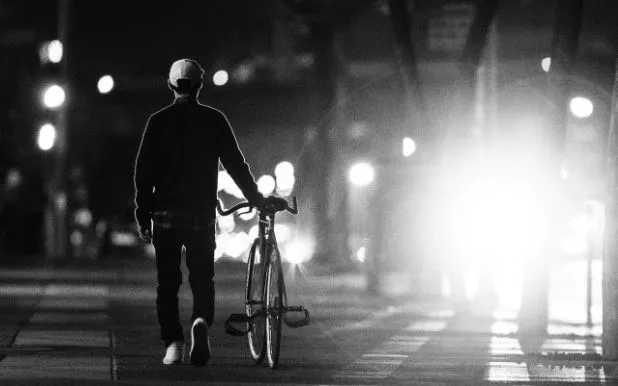
The easiest way to ride without training wheels is to learn balance before pedaling. Lower the saddle so the learner can put both feet flat on the ground, practice braking and gliding in a clear area, then add pedals once steering feels controlled.
An adult should supervise a child throughout the lesson. Choose a flat, traffic-free paved area without parked cars, curbs, or other riders.
Prepare the bike
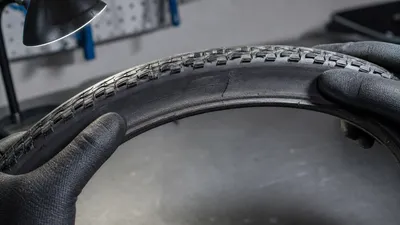
Check tire condition, wheel retention, brakes, handlebar alignment, and saddle security. Stop if a wheel, brake, frame, fork, handlebar, crank, pedal, or steering part may be loose or damaged. Have a qualified bicycle mechanic inspect it.
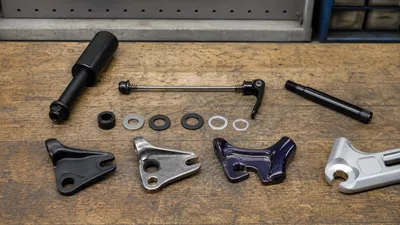
Lower the saddle enough for confident foot contact. If pedals are removable, use the correct tool and follow the crank maker’s instructions. Remember that the left pedal often has a left-hand thread. A bike shop can remove and reinstall them safely.
Fit the helmet
Use a bicycle helmet that meets the applicable standard and fits the learner. The CPSC helmet guide shows correct level placement and strap adjustment. Our helmet measurement guide helps with sizing.
Tie shoelaces and secure loose clothing away from wheels and the chain.
Learn the brakes first
Before moving, identify which lever controls each brake. The arrangement can vary by country and bike. Walk the bike and squeeze both levers progressively until the learner understands how much force stops the wheel.
Do not encourage a sudden grab of only the front brake. Practice a smooth, balanced stop.
Practice gliding
Sit on the saddle and push forward with both feet. Begin with short steps, then lift both feet briefly once the bike has momentum. Look ahead rather than down at the front tire.
Repeat until the learner can glide, steer gently, and put feet down without panic. Do not hold the handlebar. If support is needed, steady the back of the saddle lightly and let go as balance develops.
Add pedaling
Reinstall the pedals correctly and verify they are secure. Place one pedal slightly forward and high. Push down on it while the other foot leaves the ground, then begin a smooth cadence.
Practice straight starts and controlled stops before turns. Add gentle curves, then wider circuits. End the session while the learner is still comfortable.
Move to shared spaces gradually
Only enter paths or streets after starting, stopping, looking behind, signaling, and steering are reliable. Teach the NHTSA bicycle-safety basics, and follow local laws.
Dress for the conditions using our cycling clothing guide. A patient sequence beats a push down a hill. Balance, braking, and confidence come first.
Once independent starts and stops are reliable, short easy rides can build toward the broader fitness and skill benefits of mountain biking on age-appropriate terrain.