KASK Vertigo: Used Helmet Safety Review
The KASK Vertigo is an older helmet model we cannot recommend as a current purchase. Use this archive review to assess age, condition, certification, and fit.
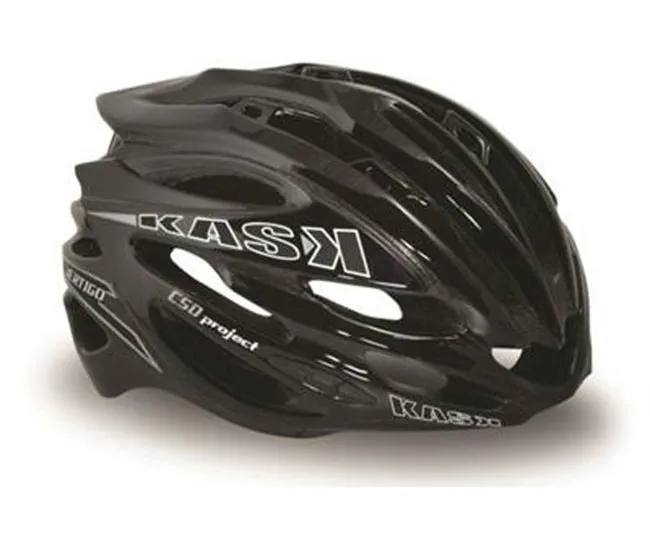
The KASK Vertigo is an older road-cycling helmet model. We could not verify a current Vertigo product page or current specifications from KASK, so we do not recommend buying it as though it were a current model. If you already own one or are considering a used example, its age, history, physical condition, certification label, and fit matter more than an old feature list.
This page is a corrected archive of a legacy review. It does not claim that our current editorial team personally crash-tested or laboratory-tested the helmet.
Should you buy a used KASK Vertigo?
Usually, no. A used helmet can have an unknown impact history, storage history, or age. Damage to the energy-absorbing liner is not always obvious from the outside, and missing labels make it difficult to verify the model and certification.
Choose a current helmet from an established seller when possible. Confirm that it:
- Carries the certification required where you ride
- Fits your head shape without pressure points
- Remains stable when the retention system is secured
- Has undamaged straps, buckles, shell, and liner
- Comes with current manufacturer instructions and support
For U.S. consumer bicycle helmets, the Consumer Product Safety Commission explains that 16 CFR Part 1203 includes tests for peripheral vision, positional stability, retention-system strength, and impact attenuation.
What to check if you already own one
Stop using the helmet after a crash or hard impact, even if the damage is not obvious. Follow the instructions and replacement policy for the exact helmet.
Before every ride, inspect:
- Cracks, dents, warping, or crushed foam
- A shell that is separating from the liner
- Frayed, cut, stretched, or detached straps
- A buckle that does not latch reliably
- Damaged retention-system parts
- Missing pads that prevent a secure fit
- Fading, flaking, or other signs of material degradation
- A certification label that is missing or unreadable
KASK’s current helmet replacement guidance says to check for cracks, detached parts, warping, flaking, and color changes. It also recommends replacement about three years after first use or purchase, while noting that lifespan varies with use, care, storage, and environmental conditions.
That current general guidance is more relevant to a safety decision than the original article’s 2022 buying recommendation.
Fit matters as much as features
A helmet should sit level, cover the forehead, and remain stable when you shake your head. The straps should form a comfortable V around each ear, and the chin strap should be snug without restricting breathing or swallowing.
Use our guide to measuring your head for a bike helmet before comparing sizes. Then follow the current helmet maker’s fitting instructions because size names are not standardized across brands.
Reject a helmet that:
- Rocks excessively after adjustment
- Tilts back and exposes the forehead
- Creates painful pressure points
- Requires pads or parts not approved for that model
- Has a retention dial or buckle that slips
A helmet that does not fit correctly should not be kept because it was discounted or once received favorable reviews.
What the legacy Vertigo offered
Archived descriptions of the Vertigo emphasized a road-oriented, well-ventilated design and an adjustable retention system. Those details may help identify the product, but they should not be treated as verified current specifications or proof of protection.
The original version of this article made broad claims about comfort, aerodynamics, safety, and testing without showing a credible test method or source. We have removed those claims.
For a replacement, compare current models using:
- Required certification
- Correct fit and positional stability
- Manufacturer date and replacement guidance
- Ventilation and weight preferences
- Compatibility with eyewear and cold-weather layers
- Availability of replacement pads and support
If visibility features matter to you, our guide to bike helmets with lights explains that category. Lighting does not replace a correctly fitted certified helmet or legally required bicycle lights.
Can you attach accessories?
Do not drill the shell or modify the liner. Adhesives, mounts, mirrors, lights, and cameras can affect the helmet or create a snag point. Use only accessories and installation methods approved by the helmet manufacturer.
Our guide to helmet mirror attachment describes common mounting approaches, but the helmet maker’s compatibility instructions control.
When to replace the helmet
Replace the helmet:
- After a crash or significant impact
- When the shell, liner, straps, buckle, or retention system is damaged
- When it no longer fits securely
- At the interval in the manufacturer’s instructions
- When its age or history cannot be established
- When required labels are missing or unreadable
Store a helmet away from extreme heat, direct sunlight, chemicals, and heavy objects that can deform it. Do not leave it in a hot vehicle.
Bottom line
The KASK Vertigo should be treated as a legacy model, not a current recommendation. Do not rely on an old review to judge a used helmet’s safety. Verify its history, age, condition, certification, and fit, and replace it if any of those are uncertain.