Why Is My Back Bike Tire Wobbling? 4 Causes And How To Fix It
A rear bike wheel can wobble because of a loose axle, tire problem, damaged rim or spokes, or worn hub bearings. Learn what to check and when to stop riding.
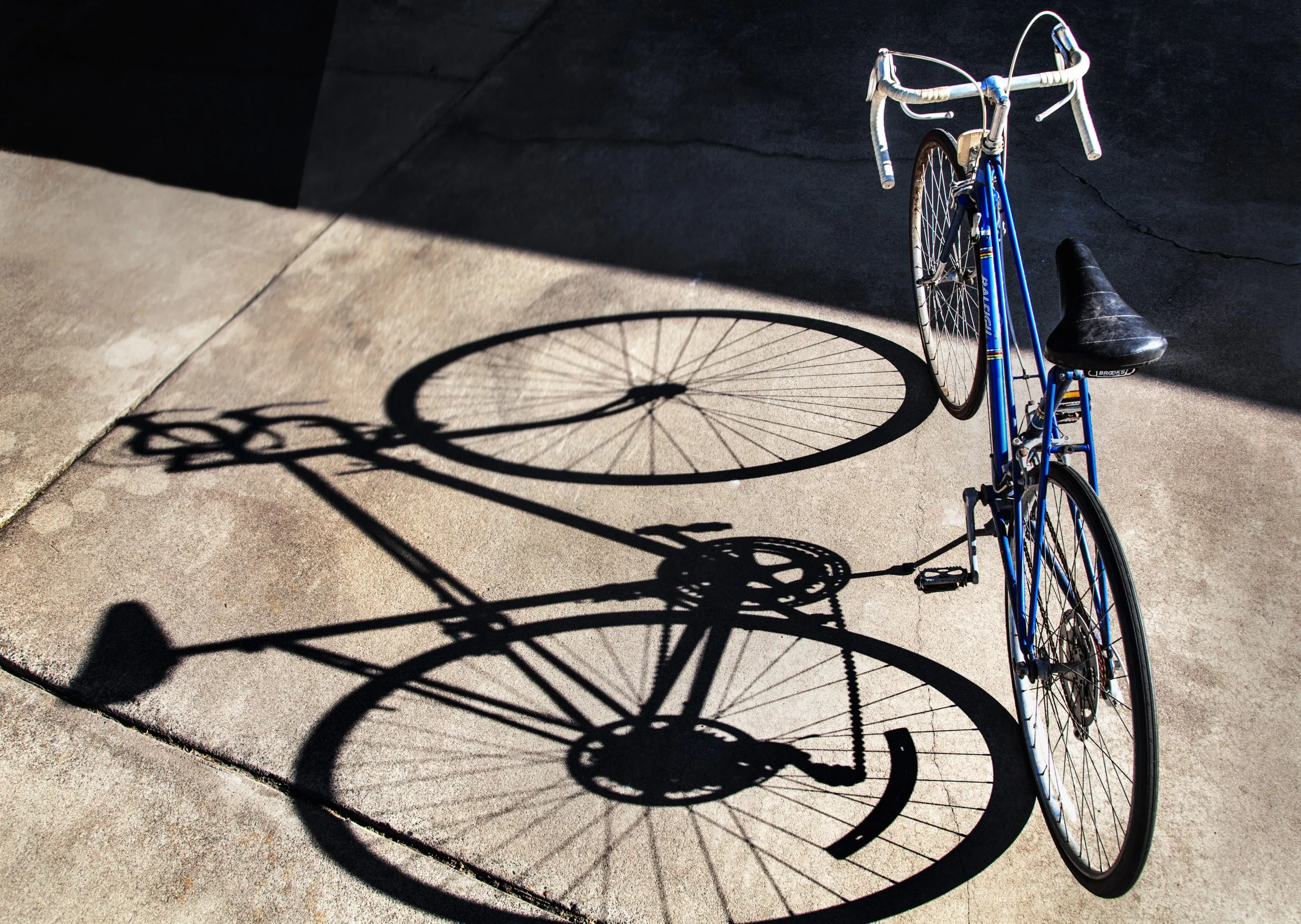
A rear-end shimmy can come from poor axle retention, an uneven bead, a rim that is out of true, or worn hub bearings. Stop riding until you identify the cause. Failed hardware, damaged casing, a cracked rim, or a broken spoke can cause sudden loss of control.
First determine whether the casing moves on the rim or the whole wheel shifts relative to the frame. That distinction narrows the inspection.
Quick safety check
Keep the bike parked if you find any of these conditions:
- The axle or quick-release mechanism is loose
- The tire bead is lifting away from the rim
- The tire casing has a bulge, cut, or exposed threads
- A spoke is broken or the rim is cracked
- The rim rubs the frame, fork, or brake
- The hub knocks from side to side or feels rough when it turns
If you are unsure whether the wheel is correctly retained, use the bicycle manufacturer’s wheel-installation instructions or take the bike to a qualified mechanic. A rear wheel must be fully seated and secured before any other diagnosis matters.
1. The rear wheel is not secured or seated correctly
Set the bike down, keep it still, and inspect where the axle meets both dropouts. The axle should be seated evenly on both sides. A quick-release lever must use the manufacturer’s closing procedure, and a thru axle or axle nut must be tightened to the specified torque.
Do not treat the quick-release lever like a wing nut. Its clamping force comes from closing the lever through its full range. If you removed the wheel for transport or a tire repair, compare the installation with our guide to changing a rear tire on a disc-brake bike, then confirm the exact procedure in your bike manual.
If the axle will not seat squarely, the hardware is damaged, or the wheel shifts after it is secured, stop and have the bike inspected.
2. The tire is damaged or its bead is uneven
Spin the wheel slowly while watching the molded line just above the rim. That line should remain an even distance from the rim on both sides. A section that disappears below the rim or rises above it suggests the bead is not seated evenly.
Deflate the tire before attempting to reseat it. Inspect the bead, casing, rim tape, and rim for damage. Replace a tire with a cut bead, casing bulge, exposed cords, or other structural damage. Stay within the pressure limits printed on the tire and rim.
A repeating hop can come from poor bead seating or a damaged casing rather than a bent rim. Our guide to bike tire direction explains the markings to check during reinstallation.
3. The rim is out of true or spokes have lost tension
Lateral error moves side to side; radial error moves up and down. Park Tool’s wheel and rim truing guide treats those dimensions, centering, and spoke tension as separate but related conditions.
Spin the wheel and watch the clearance between the rim and a fixed frame reference. On a rim-brake bike, observe the brake-pad gap without applying the lever. Tread is an unreliable reference because the casing itself may be uneven.
Look for:
- A broken, bent, or visibly loose spoke
- A dent, flat spot, or crack in the rim
- A section of rim that moves sharply to one side
- Large differences in spoke tension
Truing is precision work. Random spoke tightening can worsen alignment and produce harmful tension differences. A mechanic should inspect a broken spoke, cracked rim, sharp bend, or pronounced deviation.
4. The hub bearings are loose or worn
After securing the axle correctly, hold the rim near the frame and apply gentle side pressure. Play at the hub may reveal poor bearing adjustment, wear, or axle damage.
Rotate it and listen. Grinding, rumbling, roughness, or binding warrants hub service. The repair depends on whether the assembly uses cup-and-cone or cartridge bearings. Do not tighten an axle or adjuster without the hub manufacturer’s procedure.
A safe diagnosis order
Work through the problem in this order:
- Confirm the axle and retention system are intact and secure.
- Inspect the bead and casing at low or zero pressure.
- Check lateral and radial rim movement.
- Look for spoke damage or uneven tension.
- Feel for hub play, roughness, or noise.
- Test the brakes only after correcting the fault.
If the tire repeatedly loses air as well as wobbling, use our guide to why a bike tire keeps popping to check for rim tape, debris, pinch flats, and pressure problems.
Frequently asked questions
Can I ride a bike if the back tire wobbles?
No. Identify the cause first. Poor bead seating, loose retention, spoke failure, rim damage, or hub wear can worsen without warning and affect control.
Why does my bike tire wobble after I changed the tube?
The bead may be uneven, the axle may sit crooked in the dropouts, or the retention system may be unsecured. Deflate, inspect, and reinstall everything according to the bicycle manufacturer’s instructions.
Is every visible tire wobble a bent rim?
No. Observe the rim and casing separately. Straight rim tracking with visible casing movement points toward the bead or tire. Rim movement points toward truing, structural repair, or replacement.
Bottom line
A rear-wheel wobble is a symptom, not a diagnosis. Inspect retention first, followed by the casing, rim, spokes, and hub. Resume riding only when the assembly is secure, structurally sound, and turns without unsafe movement or contact.