Should You Replace Valve Stems with New Bike Tires?
A new bike tire does not automatically need a new valve stem. Learn when to safely reuse or replace a tube valve, tubeless stem, or removable valve core.
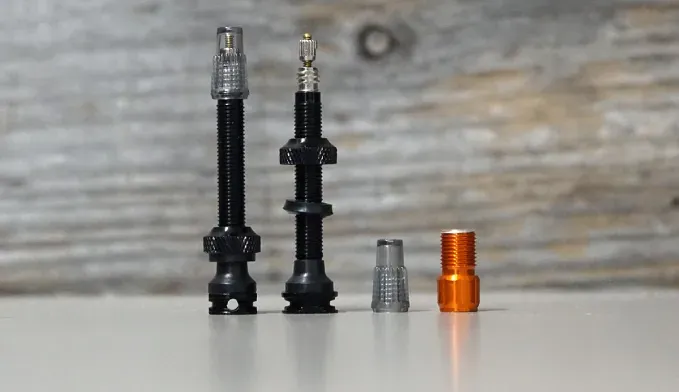
No. Installing a new bicycle tire does not automatically mean replacing the valve stem. On a bike with an inner tube, the valve is part of the tube. On a tubeless setup, the valve is a separate rim component and can usually stay if it seals correctly and is compatible with the rim.
Replace any valve that is cracked, bent, badly corroded, clogged, leaking, or damaged at its base. If the tire loses air quickly, find the leak before assuming the valve is responsible.
First identify which valve system you have
A tubed tire has a valve permanently attached to its inner tube. Changing only the tire leaves that tube and valve in place. This is reasonable when the tube holds air, the valve base is sound, and the tube size still suits the new tire. A tube with damage around the valve base should be replaced, not patched.
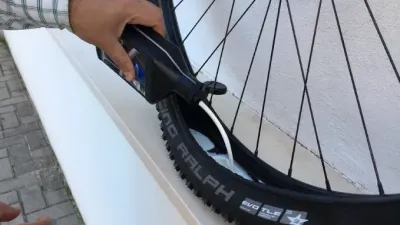
A tubeless tire uses a separate valve through the rim. The tire bead, rim tape, valve seal, and sealant work together. Our guide to installing tubeless bike tires explains the complete system.
Removable valve cores are replaceable parts inside some Presta and Schrader stems. Not every Presta valve has a removable core. Park Tool’s valve-core guidance makes that compatibility distinction explicit.
When should the valve be replaced?
Replace the relevant tube, stem, or core when you find one of these problems:
- Air bubbles appear at the valve base during a soapy-water leak check.
- The stem is bent, cracked, split, or heavily corroded.
- The removable core will not seal after careful cleaning and correct installation.
- Dried sealant repeatedly blocks a tubeless valve.
- The stem is too short for the rim or its base does not match the rim bed.
- A new tire insert requires a valve designed to pass air around the insert.
Before dismantling a tubeless wheel, check the tire, rim tape, and bead too. Air escaping near the valve can travel through the rim cavity from failed tape. Stan’s tubeless troubleshooting guide identifies tape and valve-area faults as separate possibilities.
Can you reuse a tubeless valve with a new tire?
Yes, if the valve is undamaged, long enough for the rim, and seals against the rim bed. Clean dried sealant from the air passages without scratching the stem or sealing face. Inspect the rubber base and replace the valve if it is distorted or torn.
Tighten the retaining nut only as the valve manufacturer directs. A valve that needs excessive nut pressure to stop leaking may have the wrong base shape, damaged tape, or a poor seal. Our tubeless valve-stem buying guide covers length, base shape, and insert compatibility.
What should you replace during a tire change?
Use the tire change as an inspection point rather than replacing parts by habit:
- Check the tire direction and rim compatibility.
- Inspect the tube or tubeless tape and valve.
- Confirm the valve works with your pump.
- Inflate only within the limits stated by the tire and rim manufacturers.
- Check for leaks, a uniformly seated bead, and wheel security before riding.
If a removable core is the only faulty part, a compatible core may be all you need. See the valve-core removal tool guide before choosing a tool, or use our Presta pump guide if pump-head fit is the real problem.
This article is based on current manufacturer and repair documentation. It does not assume that every rim, valve, or tire uses the same design.