How To Dress For Cycling- So Simple Even Kids Can Do It!
Dress for cycling with a moisture-managing base, weather protection, secure hems, gloves, and visible colors. Adjust the layers for effort, wind, and rain.

Dress for cycling in layers that manage sweat, block the expected wind or rain, and cannot catch in the chain or wheel. You do not need race clothing for an everyday ride, but fit, weather protection, and a secure helmet matter.
Start with the forecast and effort
Temperature alone is not enough. Check wind, precipitation, sun, and how remote the route is. A hard climb produces more body heat than an easy commute, while a descent can cool damp clothing quickly.
Choose layers you can vent or remove. Carry more margin when a mechanical problem could leave you standing beside the road.
Wear a moisture-managing base
A close-fitting synthetic or wool layer moves moisture away from the skin more effectively than cotton. On hot days, a breathable jersey or ordinary athletic shirt can be the only upper layer. Avoid loose fabric near moving parts.
For cool conditions, add an insulating layer and a wind-resistant or waterproof shell as needed. Our cold-weather tights guide explains lower-body options, while winter mountain-bike clothing covers colder trail rides.
Choose shorts or tights for the ride
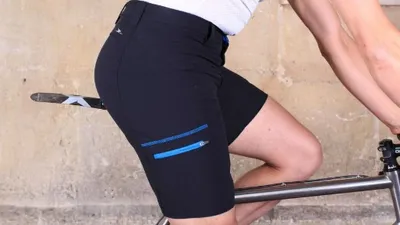
Ordinary athletic shorts can work for short, easy trips if they do not snag. Cycling shorts add a smooth, close fit and may include a chamois. Padding should sit against the skin without another padded layer beneath it.
Padding cannot correct a poor saddle position or bike fit. Compare the roles in padded saddle versus padded shorts.
Protect hands, feet, and eyes
Gloves can improve grip and provide some abrasion protection, but they must allow full brake and shift control. Shoes need a secure sole and laces that cannot reach the drivetrain. Tuck or restrain loose laces.
Clear or tinted cycling glasses help shield eyes from wind, dust, and insects. Choose a lens appropriate for the light conditions. Dark lenses are a poor choice after sunset.
Wear a properly fitted helmet
Use a bicycle helmet that meets the standard required in your market and fits the rider. The CPSC helmet guide explains level placement and strap adjustment. Our helmet measurement guide covers sizing before purchase.
Replace a helmet after an impact according to its maker’s instructions. Do not drill or cut it to mount accessories.
Be visible without relying on clothing alone
Bright or contrasting clothing can help other road users notice a rider, but it does not replace legally required lights and reflectors. Use a properly aimed white front light and a red rear light when conditions demand them. See daytime lights versus headlights for setup differences.
Final pre-ride check
Before leaving, stand over the bike and turn the handlebar fully. Confirm that sleeves, hems, straps, and bags stay away from wheels, brakes, and the drivetrain. Make sure you can reach and operate every control.
Pack a light shell or dry layer when conditions may change. Comfort is useful, but safe movement and reliable control come first.