How to Remove Rust from a Bike Chain
Remove only light surface rust from a sound bike chain by cleaning, drying, and lubricating it. Replace a stiff, pitted, cracked, or heavily corroded chain.
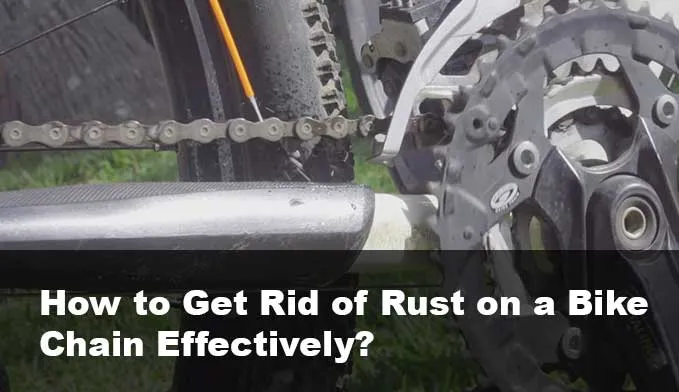
Light orange surface rust on an otherwise sound bicycle chain can often be cleaned away with a bike-compatible chain cleaner, a brush, thorough drying, and fresh chain lubricant. Replace the chain if corrosion has caused deep pitting, stiff links that will not free up, cracking, missing material, or unreliable movement.
Decide whether cleaning is appropriate
Rotate the cranks by hand and inspect every link. Check the inner and outer plates, pins, rollers, and any joining link. Brown staining alone can be superficial. Flaking metal, deep pits, seized rollers, bent plates, or cracks mean replacement.
Measure chain wear with a compatible checker and the chain manufacturer’s limits. Park Tool’s chain replacement guide explains how internal pin and roller wear affects the cassette and chainrings. Rust removal does not reverse that wear.
How to remove light surface rust
- Stabilize the bike and protect braking surfaces from cleaner and lubricant.
- Brush off dry dirt and loose corrosion.
- Apply a bicycle-chain cleaner according to its label. Do not flood bearings or electrical parts.
- Scrub each side of the chain and rotate the cranks by hand.
- Wash away residue as the cleaner maker directs.
- Dry the chain completely, including the rollers.
- Apply bike-specific chain lubricant to the rollers as directed.
- Let it penetrate, then wipe excess lubricant from the chain’s exterior.
- Run the drivetrain through its gears by hand and inspect again.
Park Tool’s bike-washing method uses a dedicated chain cleaner followed by soapy water and drying. Our guide to cleaning a bike chain provides a broader routine, but product and component instructions still control.
Avoid improvised rust-removal chemistry
Do not soak an assembled chain in cola, vinegar, strong acid, or an unverified household solvent. A product that dissolves corrosion can also affect finishes, plating, seals, adhesives, or the lubricant inside the chain. It may hide damage without restoring strength.
Penetrating fluid and general-purpose oil are not substitutes for a bicycle-chain lubricant unless the chain manufacturer specifically approves them. Choose a proper lubricant for your conditions using the mountain-bike chain-lube guide or the chain lubricant overview.
Prevent the rust from returning
Dry the bike after wet rides, store it out of rain and condensation, and relubricate after cleaning. Wipe away excess because an oily exterior collects grit. Check the cassette and chainrings for corrosion and wear while the chain is clean; our cassette-cleaning guide explains how to clean those parts without filling the hub with solvent.
If the chain rusted during storage, inspect the brakes, cables, fasteners, rims, and bearings too. Surface cleanup is not a substitute for a safety inspection.
This article is based on current repair guidance. It does not claim that a cleaned corroded chain has regained its original strength.