How To Measure Head For Bike Helmet?
Measure around the widest part of your head just above the eyebrows, compare the result with the maker's chart, then confirm level position and secure straps.
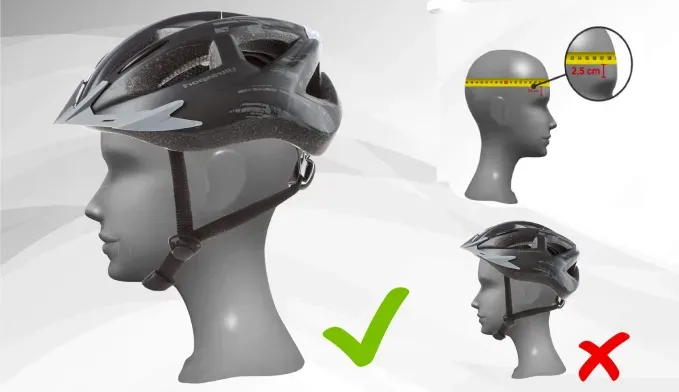
Measure around the widest part of your head with a flexible tape, usually just above the eyebrows and ears. Record the circumference in centimeters, compare it with the exact helmet maker’s size chart, and then confirm fit by trying the helmet on.
A measurement narrows the size. It cannot guarantee that a particular shell shape or retention system fits your head.
Measure your head
- Use a flexible fabric tape. If you do not have one, use non-stretch string and measure the string against a ruler.
- Place the tape roughly one finger-width above the eyebrows.
- Run it level above the ears and around the widest point at the back of the head.
- Keep it snug without compressing the skin or hair.
- Repeat the measurement and record the larger consistent result.
If the size chart uses inches, convert carefully. One inch equals 2.54 centimeters.
Use the maker’s chart
Helmet size labels are not standardized across brands or models. A medium in one range may overlap a small or large in another. Use the chart for the exact model and confirm that your measurement falls inside its adjustment range.
If you are between sizes, try both. Do not choose a larger helmet merely to fit a thick winter hat unless the helmet maker permits that liner.
Check the fit
Place the helmet level, low on the forehead, and centered. Adjust the rear retention system until it is secure without pressure points. Form each side strap into a Y around the ear, then fasten the chin buckle.
The CPSC helmet guide recommends checking that the helmet does not rock or slide and that the buckle remains secure.
Open your mouth wide. The helmet should pull down slightly. If it can roll back and expose the forehead, or roll forward over the eyes, readjust it or try a different size or shape.
Check accessories afterward
Lights, cameras, caps, and mirrors can change fit or interfere with straps. Use only maker-approved mounts and recheck the helmet after adding one. See how to attach a helmet mirror and how to mount a helmet light for the relevant stop conditions.
Replace when required
Replace a helmet after a crash or impact according to its instructions, even if damage is not obvious. Also replace one with cracked foam, damaged straps, a failed buckle, or a recall that applies to the exact model.
Measurement gets you into the right range. A level position, stable shell, comfortable contact, and properly adjusted straps determine whether that helmet actually fits.
If an integrated rear light is part of your buying criteria, verify fit first and then use our lighted bike-helmet guide to compare current options.
![How to Attach a Bike Helmet Mirror? [Step-by-Step]](/_astro/How-to-Attach-a-Bike-Helmet-Mirror.C5ex7d6o_Z1OBLcS.webp)