Bike Lock Security Ratings Explained
Learn how Sold Secure and brand security ratings work, what they can and cannot prove, and how to match a bike lock to your parking risk.
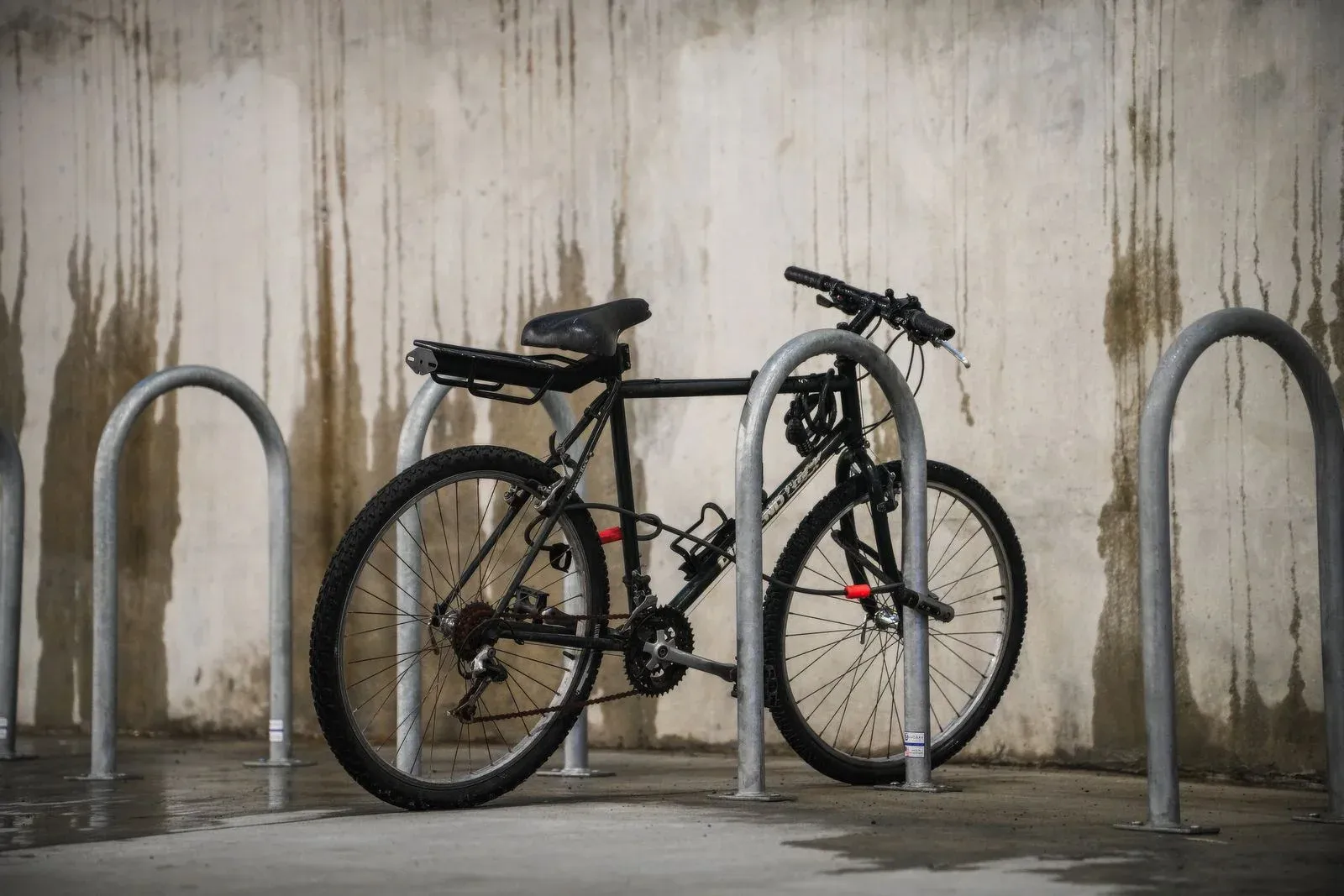
Table of Contents
- What does a bike lock rating mean?
- What is Sold Secure?
- What are manufacturer security levels?
- How should you read a security badge?
- Do higher ratings always mean better security?
- How do ratings apply to U-locks, chains, and folding locks?
- Do ratings cover e-bikes?
- How do you choose a rating for your parking?
- What should a security comparison include?
- Why does the anchor matter more than the number sometimes?
- How do you avoid rating and marketing traps?
- Frequently asked questions
- What is the highest bike lock security rating?
- Is Sold Secure Gold better than a brand level of 10?
- Does a high-rated lock guarantee my bike will not be stolen?
- Are cable locks included in security ratings?
- Do bike lock ratings matter for insurance?
- Can I use a security rating to choose a folding lock?
- Does a bike rack lock have its own rating?
- How we researched this guide
- Bottom line
- Sources
A bike lock security rating is evidence from a named testing program or a manufacturer’s own scale. It can help compare products within that program or product range, but it is not a guarantee against theft and brand numbers are not automatically comparable. Read the exact product listing, rating scope, dimensions, instructions, and any insurer requirement. Then use the lock around a strong part of the frame and the wheel or wheels at risk, attached to a genuinely fixed and permitted anchor.
A rating is not a theft-proof promise
No lock or rating makes a bicycle theft-proof. Stop and change the lock-up if the anchor is loose or removable, the bicycle can be lifted over it, the frame is outside the lock, a wheel or battery is exposed, the lock cannot close, or the lock, rack, frame, or wheel has been damaged.
What does a bike lock rating mean?
The word rating can describe two different things:
- Independent certification or testing: an outside organization evaluates a named product against its own method and places it in a category or grade.
- Manufacturer scale: a brand assigns a number or level to products in its own range to help shoppers compare them.
Both can be useful. They answer different questions. An independent grade is meaningful within that program and product listing. A brand number can help compare models from that brand, but it does not create a shared scale with another brand.
The folding lock versus U-lock comparison explains why lock shape and fit still matter when a product has a high rating. A rating cannot make a shackle reach an anchor or make a folding lock capture a frame that its length does not fit.
What is Sold Secure?
Sold Secure is an independent security testing organization with a bicycle security category. Its site lists tested products and grades for the category. Check the listing for the exact lock model, product version, security category, and current grade rather than relying on a retailer’s badge or a search snippet (retrieved September 2, 2026).
Sold Secure grades are not a promise that a lock cannot be opened. They describe the result of that organization’s test process. The test category and product identity matter. A badge for a different lock, different size, or different use category cannot be transferred by resemblance.
Before using a Sold Secure result, verify:
- the exact model name and version;
- the grade and the category it belongs to;
- whether the listing covers a pedal cycle or another vehicle category;
- whether the product has changed since the listing;
- the lock maker’s installation, care, and use instructions;
- any insurer or local requirement that names a grade.
If a seller lists a grade but the product cannot be found in the testing body’s current database, pause the purchase and ask the seller or testing body for the product identity.
What are manufacturer security levels?
Brands often use their own scales. Kryptonite’s lock selection page presents a company security rating system for comparing its products (retrieved September 2, 2026). ABUS publishes a Global Protection Standard level on individual product pages, along with product dimensions, weight, and any test seals. Those scales help within the brand, not across every lock on the market.
Do not say that an ABUS level of one number equals a Kryptonite level of another number. Do not convert a brand level into a Sold Secure grade. Read the definitions, test marks, product size, and intended use independently.
The U-lock versus chain-lock comparison shows how two products can carry different construction, reach, weight, and security evidence. A high brand level cannot fix a weak anchor, a lock that cannot capture the frame, or a wheel left unprotected.
How should you read a security badge?
Use this sequence:
- Find the test organization’s or maker’s original page.
- Match the product name, model number, length, lock body, and version.
- Read the category and the meaning of the grade or level.
- Check whether the rating applies to a pedal cycle, e-bike, or another category.
- Check the product’s dimensions and how it can capture your frame, wheel, and anchor.
- Check the maker’s instructions, warranty, care, and key or combination procedure.
- Check any insurance policy or local rule that applies to your parking.
Do not use an image of a badge as the only evidence. Product pages can display old packaging, a rating for a related size, or a manufacturer statement that is not an independent certification.
Do higher ratings always mean better security?
No. A higher level within one scale may indicate that the maker positions the product for a more demanding use, but it does not prove that product is safer in every lock-up. An independent grade describes a test result under that program’s conditions, not every possible attack or installation.
The anchor, lock position, frame and wheel capture, location, time left unattended, visibility, and maintenance still matter. A highly rated lock around a thin removable sign is a poor lock-up. A lower-rated secondary device can complement a primary lock, but two labels do not add into a new grade.
The how to lock a bike guide covers frame, wheel, anchor, accessory, and location checks. Use the rating as one input in that complete routine.
How do ratings apply to U-locks, chains, and folding locks?
Compare within the same evidence type and model:
| Lock type | Useful rating question | Fit question |
|---|---|---|
| U-lock | Is this exact shackle and lock body listed and what category applies? | Can the opening capture the frame, wheel, and anchor without unsafe slack? |
| Chain lock | Is this exact chain, sleeve, and lock body listed? | Can the length route around the anchor and frame while staying off the ground? |
| Folding lock | Is this exact bar, hinge, case, and lock body listed? | Can the folded and open shape capture the frame, wheel, and anchor? |
| Cable | What does the maker or tester actually say about its use? | Is it a primary or secondary restraint for this situation? |
Do not treat a cable’s presence in a bundle as proof that the cable has the same security evidence as the primary lock. Check each product separately.
Do ratings cover e-bikes?
Do not assume a bicycle rating automatically covers every e-bike or powered cycle. The lock maker, testing body, insurer, and local rules may define categories differently. Check the exact product listing and any powered-cycle or e-bike requirement.
An e-bike also has removable batteries, displays, chargers, and accessories. Remove and store them only as the bicycle maker instructs. A rated frame lock does not protect a battery left on the bike or a rack that allows the complete bicycle to be removed.
The bike security, storage, and transport guide joins public lock-up, indoor storage, removable parts, transport, and ownership records.
How do you choose a rating for your parking?
Start with the parking situation:
- controlled indoor room or shared garage;
- brief daytime stop at a busy permitted anchor;
- regular stop in an exposed public place;
- overnight or extended outdoor parking;
- a high-value bicycle or e-bike with removable parts;
- a location where the rack or anchor cannot be inspected.
Then choose a lock whose exact evidence, size, reach, and use instructions fit the situation. Do not use a generic category chart as a guarantee. The more time and opportunity an attacker may have, the more carefully you need to control the location, anchor, frame and wheel capture, visibility, removable parts, and insurance requirements.
If you cannot use a sound anchor, no rating solves the problem. The no-rack lock-up guide explains how to evaluate an alternative location and when to walk away.
What should a security comparison include?
For each lock under consideration, record:
| Field | Why it matters |
|---|---|
| Evidence source | Separates independent testing from a brand’s own scale |
| Exact product identity | Prevents a badge or grade from being assigned to a related model |
| Category and grade | Defines what the evidence actually covers |
| Shackle, bar, or chain dimensions | Determines frame, wheel, and anchor fit |
| Lock body and mechanism | May change the product’s listed evidence and care |
| Length or opening | Controls reach and unnecessary empty space |
| Weight and carrier | Determines whether the lock is actually carried |
| Instructions and warranty | Sets use, maintenance, and replacement boundaries |
| Insurance or local rule | May impose a separate requirement |
An article, review, or retailer may be helpful context, but it cannot replace the original rating record or maker instructions. Do not invent a rating when the evidence is missing.
Why does the anchor matter more than the number sometimes?
A lock resists theft only as part of a complete lock-up. Seattle Police’s bike theft prevention guidance recommends securing the frame and wheels to a bike rack or solid object, using a visible and traveled location when possible, and treating a lock as a deterrent rather than a guarantee (retrieved September 2, 2026).
Inspect the anchor for:
- solid attachment to the ground or structure;
- a closed path that does not let the bike lift over the top;
- enough room for the lock and frame;
- no loose bolts, cut marks, or removable parts;
- permission to use the location;
- clear access that does not create a hazard.
Secure the frame first, address the wheels, remove lights and bags, and take a removable battery or display with you when the maker permits. A high rating cannot compensate for an exposed frame or a weak anchor.
How do you avoid rating and marketing traps?
Be cautious with:
- “maximum,” “ultimate,” or “unbreakable” language without a defined test;
- a number with no scale or test description;
- a logo shown without a product listing;
- a grade attached to a different lock length or version;
- a claim that a lock is resistant to one tool without a full use context;
- retailer filters that combine unrelated rating systems;
- old packaging or a discontinued model;
- a reviewer’s hands-on attack claim presented as certification.
The bike lock security, storage, and transport guide provides a broader ownership record and storage check. The folding lock versus U-lock guide handles shape and carrying without treating ratings as interchangeable.
Frequently asked questions
What is the highest bike lock security rating?
There is no single highest rating across all programs. Sold Secure, ABUS, Kryptonite, and other organizations or brands can use different categories and scales. Identify the program, product, category, and current definition.
Is Sold Secure Gold better than a brand level of 10?
The labels cannot be compared without a defined common method. Sold Secure Gold belongs to Sold Secure’s system, while a brand level belongs to that brand’s system. Read each original source and any insurer requirement.
Does a high-rated lock guarantee my bike will not be stolen?
No. A lock can be defeated, the anchor can fail, a wheel or battery can be removed, or the bicycle can be taken in a way the rating does not cover. Use a fixed anchor, capture the frame and wheels, choose the location carefully, and store the bike indoors when practical.
Are cable locks included in security ratings?
Some products may be tested or described for a particular use, while others are intended as a secondary restraint. Check the exact product listing and maker instructions. Do not assume a cable in a bundle has the primary lock’s evidence.
Do bike lock ratings matter for insurance?
They can, but policy language varies. Read your insurer’s current requirements for lock type, rating, location, and evidence. Keep the receipt, model number, rating record, photographs, and serial number.
Can I use a security rating to choose a folding lock?
Use the exact folding-lock listing, grade or maker scale, bar and hinge construction, dimensions, and frame and anchor fit. The folding lock versus U-lock guide explains the geometry decision.
Does a bike rack lock have its own rating?
Some vehicle or storage products have a lock or security claim, but that does not automatically rate the bicycle lock or anchor. The car-rack lock guide treats rack attachment, bike restraint, vehicle fit, and unattended parking as separate checks.
How we researched this guide
This is research-based rating guidance, not a hands-on cutting, picking, attack, theft, portability, weight, or durability test. We reviewed Sold Secure’s bicycle listings, Kryptonite’s lock-selection guidance, ABUS product information, REI’s bike-lock guide, Seattle Police theft-prevention guidance, and BikeRideReview security pages on September 2, 2026. We did not invent a rating equivalence, attack time, theft probability, insurance rule, or guarantee.
Bottom line
Read the original rating source, match the exact product and category, and keep independent grades separate from brand scales. Then check dimensions, frame and wheel capture, anchor, location, removable parts, and insurance rules. No rating makes a bike theft-proof, and a lock that does not fit the complete lock-up is not the right lock.
Sources
- Sold Secure, “Bicycle Security,” retrieved September 2, 2026, https://soldsecure.com/category/bicycle
- Kryptonite, “How To Choose Lock,” retrieved September 2, 2026, https://www.kryptonitelock.com/en/how-to-choose-lock-landing.html
- ABUS, “U-Locks for Bikes,” retrieved September 2, 2026, https://www.abus.com/usa/Products/Bicycle-locks/U-Locks-Bike
- ABUS, “Folding Locks for Bikes,” retrieved September 2, 2026, https://www.abus.com/usa/Products/Bicycle-locks/Folding-Locks
- REI, “How to Find the Right Bike Lock,” retrieved September 2, 2026, https://www.rei.com/learn/expert-advice/bike-lock.html
- Seattle Police Department, “Bike Theft Prevention,” retrieved September 2, 2026, https://seattle.gov/police/crime-prevention/bicycle-theft-prevention