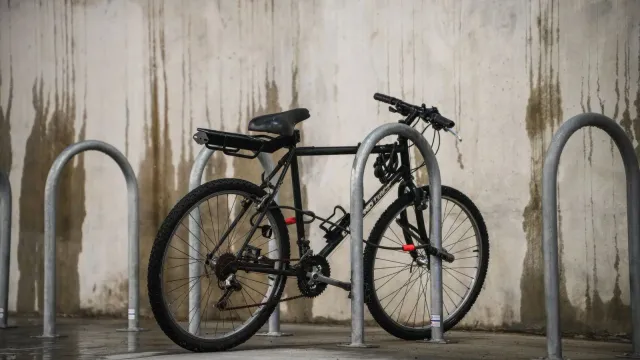
Beginner Bike Commuting Safety Checklist
Use this beginner bike commuting safety checklist to prepare the bicycle, helmet, lights, route, cargo, traffic plan, weather response, and backup option.


100 articles
Use this beginner bike commuting safety checklist to prepare the bicycle, helmet, lights, route, cargo, traffic plan, weather response, and backup option.
There is no universal bike commute distance limit. Judge a route by time, effort, traffic, terrain, recovery, weather, work demands, and your backup options.
Bike commute in rain with fenders, visible lights, breathable layers, controlled braking, a route plan, and a quick clean-and-lube routine after the ride.

Build a winter bike emergency kit around repair tools, warmth, visibility, communication, and a safe exit matched to your bicycle and route.
Reduce sweat on a bike commute with a manageable pace, breathable layers, a practical cargo setup, route timing, and a plan for heat and changing clothes.
Set up winter commuting bike lights by choosing a useful beam, securing front and rear mounts, checking visibility, and carrying a safe backup.
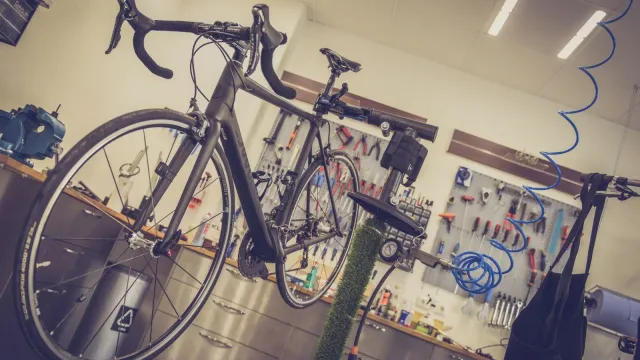
Dry wet cycling shoes overnight with gentle cleaning, ventilation, absorbent paper, and maker-approved care while avoiding high heat, solvents, and direct sun.
Build a winter cycling hydration routine around ride duration, effort, clothing, access, and personal cues without relying on a universal water quantity.
Build a dependable commuter bike setup with fit, tires, brakes, lights, cargo, security, comfort, and a practical pre-ride inspection.

Set bike saddle fore-aft position with a repeatable starting check, then refine knee, hand, and pedal relationships within the saddle maker's limits.
Learn how to tell whether a bike is too big or too small by checking reach, standover, saddle range, control access, and handling.
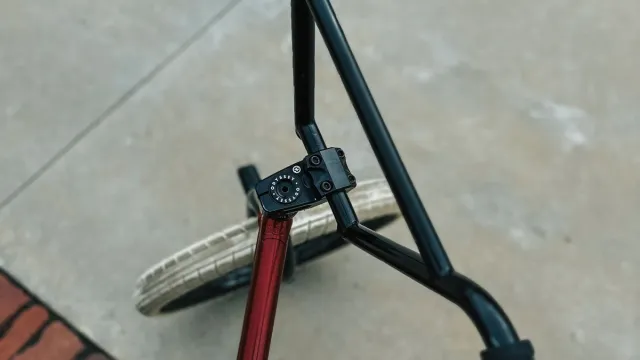
Choose bike stem length by checking frame reach, rider position, handling, clamp compatibility, and cable slack. Follow the maker's torque and steerer limits.
Choose bike handlebar width by combining body position, bike geometry, controls, and riding space. Measure first and follow the bar maker's limits.
Set bike saddle height with a repeatable starting check, then refine fore-aft and angle within the maker's limits for control, comfort, and efficient pedaling.
Between two bike sizes? Compare reach, stack, standover, inseam, saddle range, wheel choice, and riding position before choosing a smaller or larger frame.
Bike reach is a frame geometry number, while rider reach depends on saddle, stem, bars, and posture. Learn how to compare both without guessing fit.
Learn what bike standover height means, how to check clearance safely, and why frame shape, riding position, inseam, and manufacturer guidance matter.
Measure your inseam for a bike with a wall, book, and tape measure, then use the result with the maker's size chart and standover guidance.
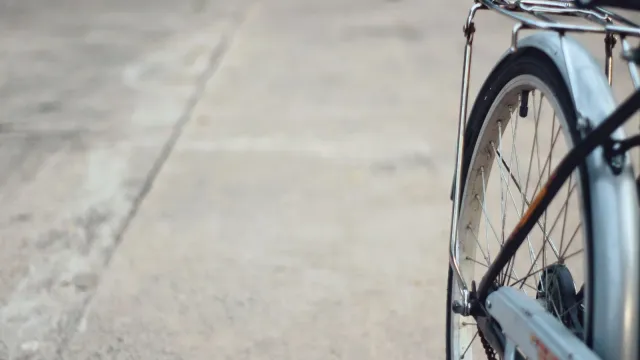
Bike frame size sets fit while wheel size affects tire clearance and handling. Learn how to read both measurements and choose a compatible bike.
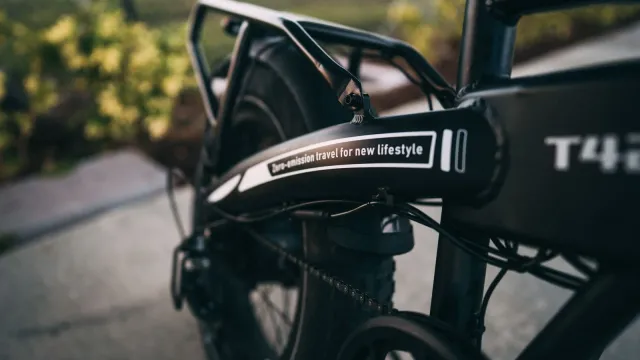
Compare mid-drive and hub-motor e-bike conversion kits by bicycle fit, gearing, wheel service, handling, electrical system, and maintenance.
Compare rear-rack and downtube e-bike conversion batteries by frame fit, retention, load, handling, cable clearance, weather, and service access.
Troubleshoot an e-bike conversion kit with a power-off sequence for battery, connectors, sensors, motor, error codes, and safe service decisions.
Identify e-bike battery connector types and match voltage, current, polarity, pinout, charger, and battery approval before making a safe connection.
Find likely causes of an overheating e-bike conversion motor or controller, use safe checks, and know when to disconnect power and seek service.
Protect an e-bike conversion from rain by checking ratings, sealing compatible connectors, routing cables, shielding the controller, and keeping ports dry.
Install a pedal-assist sensor on an e-bike conversion by matching the sensor, ring, crank side, connector, alignment, cable route, and settings.
Compare cadence and torque sensors for an e-bike conversion by signal, ride feel, starts, installation, calibration, range planning, and compatibility.
Compare e-bike throttle and pedal assist by control, starts, range planning, sensor compatibility, safety cutoffs, maintenance, and local-use rules.
There is no universal cold cutoff for cycling. Use this safety check for wind, ice, visibility, clothing, bike control, battery limits, and a safe return plan.
Check hub-motor axle and dropout compatibility by measuring spacing, slot shape, axle flats, washers, torque arms, brakes, and wheel clearance first.
Learn how cold affects e-bike battery range, when to bring a battery inside, how to charge safely, and how manufacturer storage guidance differs.
Choose an e-bike conversion wheel size by matching the tire bead seat, rim, frame, fork, brake, axle, motor winding, controller, and clearance.
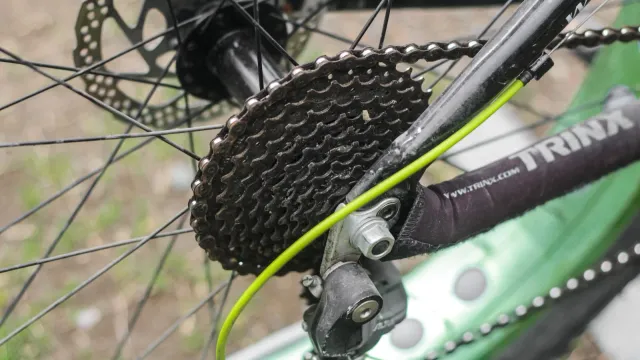
Set an e-bike conversion chainline by documenting the drivetrain, measuring alignment, checking maker limits, and correcting rub without risky spacers.
Use this winter bike commuting visibility checklist to inspect lights, reflectors, clothing, mounts, cables, route choices, and low-light riding habits.

Plan e-bike conversion brake upgrades by checking mass, speed, terrain, rotor and caliper compatibility, lever control, fit, and a qualified inspection.
Budget an e-bike conversion kit by separating the motor kit, battery, charger, fit parts, safety upgrades, tools, labor, and future replacement costs.
Ride a bike in snow only when the route, visibility, tires, brakes, clothing, and bicycle are controllable. Use this safety-first winter checklist.
Estimate e-bike conversion range from usable watt-hours, route energy use, speed, grade, load, temperature, tires, and a planning reserve first on a real route.
Check e-bike charger compatibility by battery voltage, full-charge voltage, connector, polarity, current, protocol, temperature, and maker approval first.
An e-bike battery BMS monitors cells and controls protection. Learn its limits, balancing role, matching checks, warning signs, and safe service boundaries.
Learn what an e-bike controller does and how to match voltage, current, motor sensors, connectors, firmware, and battery limits safely before applying power.
Compare downtube, rack, and frame-bag e-bike battery mounts by fit, retention, cable protection, load, weather, and service access before riding safely.
Use height, inseam, fit, assembly, and helmet checks to choose a kids' bike for Christmas without buying too large or guessing at safety.
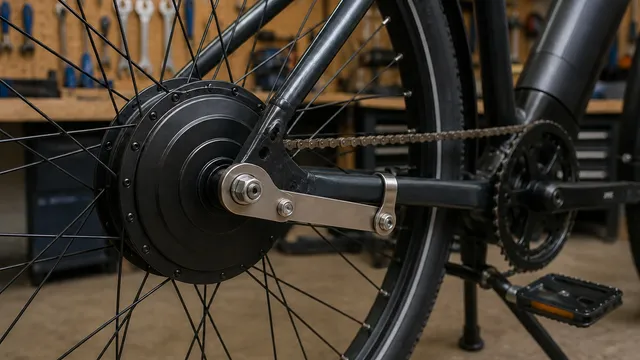
A hub-motor e-bike conversion may need a torque arm. Match the exact axle, dropout, frame or fork, motor, arm, anchor, hardware, and maker instructions.
Choose an e-bike conversion battery by voltage, watt-hours, current capability, fit, and reserve instead of amp-hours alone for a safer range estimate.
Match BMX pegs to the exact 3/8-inch or 14 mm axle system, available thread or bolt engagement, peg length and diameter, material, hub guards, and riding surface.
No bicycle is automatically conversion-ready. Check frame and fork approval, axle fit, brakes, wheels, drivetrain, battery mounting, wiring, handling, and law.
Match an e-bike conversion motor, controller, battery, BMS, charger, connectors, current limits, and legal configuration instead of shopping by watts alone.
Choose a front or rear e-bike hub motor by fork and dropout approval, traction, steering, drivetrain fit, brakes, wheel service, and axle retention.
Compare geared and direct-drive e-bike hub motors by mass, drag, noise, regenerative-braking potential, heat, service needs, and bicycle fit.
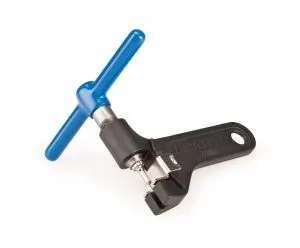
Match a bike master link to the exact chain model, speed family, width and profile, direction, and reuse rule. Similar-looking links are not automatically compatible.
Chain skipping under hard pedaling usually points to worn or misadjusted drivetrain parts, but a loose cassette, stiff link, or slipping freehub can feel similar.
Confirm pressure loss with a gauge, then isolate the tire, valve, tube, bead, tape, or rim leak using the correct tube or tubeless diagnostic branch.
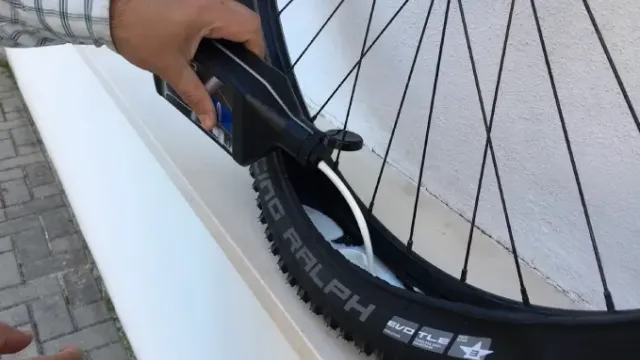
Start with the rim maker's tape specification. If none is published, measure internal width and choose tape that covers the rim bed without blocking the bead seats.
Choose a freestyle BMX for compact park and street handling, or a dirt jumper for larger wheels, front suspension, and dirt-jump lines.
Set single-speed chain tension at the drivetrain's tightest point, keep the wheel centered, and use the bicycle maker's axle-retention procedure.

Choose BMX wheel size first, then compare effective top-tube length. Use current maker charts as starting ranges and confirm standover, reach, and control.
A single-speed freewheel lets you coast. A fixed gear keeps the pedals turning whenever the rear wheel moves, which changes control, safety, and learning.
Replace a bike tire with cut casing threads, a bulge, bead damage, or a growing sidewall tear. Learn what a boot can and cannot do.
No, pegs do not fit every bike. Check BMX axle size, hub hardware, frame approval, and thread engagement before adding pegs to a mountain bike or other bicycle.
Measure bike chain wear with a compatible chain checker or a 12-inch ruler, then follow the drivetrain maker's replacement limit.
There is no universal motorized-bicycle jet size for an elevation. Start from the engine maker's baseline, diagnose mixture, and change one step at a time.
Replace a bike tire when casing threads or protection layers show, it bulges, the bead is damaged, cuts reach the casing, or grip and wear indicators are exhausted.
Choose a BMX bike for tricks, pump tracks, and compact handling. Choose a mountain bike for trails, hills, longer rides, and rough ground.
Choose an electric bike conversion kit by bicycle fit, motor location, battery system, certification, brakes, legal class, and installer support.
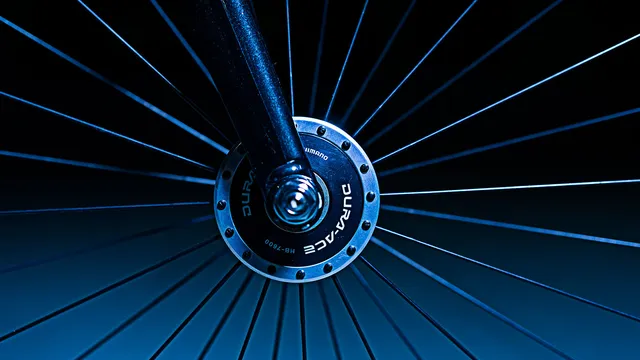
Some bike tires are directional and some are not. Follow the arrow or Front and Rear markings on the sidewall, then confirm the tire maker's instructions.
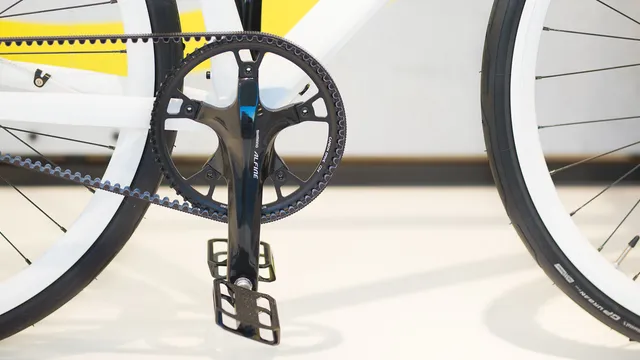
A single-speed bike does not automatically burn more calories than a geared bike. Compare how effort, ride time, terrain, and gearing affect calorie use.
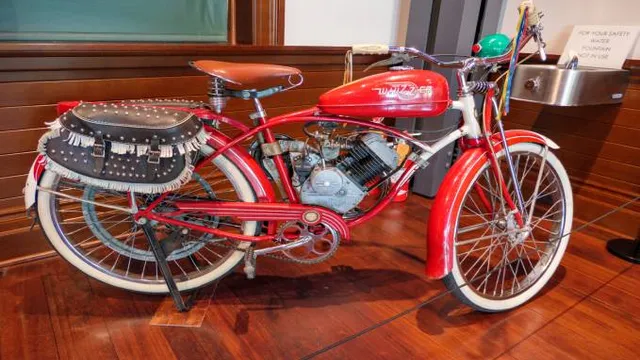
An 80cc motorized bicycle has no single guaranteed top speed. Learn how seller claims vary, what affects speed, and which legal and safety checks come first.
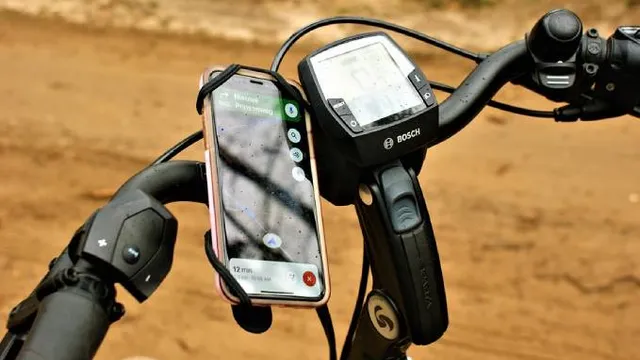
Turn an iPhone or Android phone into a bike computer for ride recording and navigation, including offline use, battery settings, mounts, and sensors.
Install tubeless bike tires with compatible rims, tires, tape, valves, and sealant. Seat both beads within the makers' limits, then inspect for leaks.
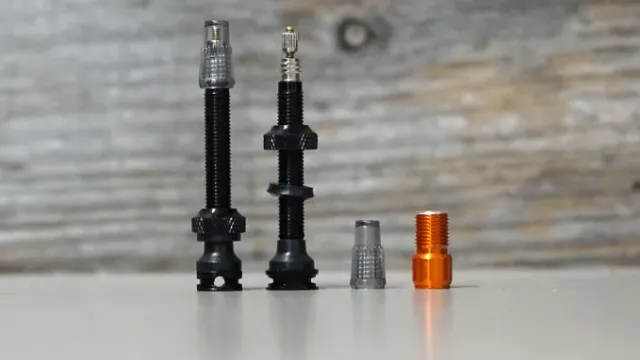
A new bike tire does not automatically need a new valve stem. Learn when to safely reuse or replace a tube valve, tubeless stem, or removable valve core.
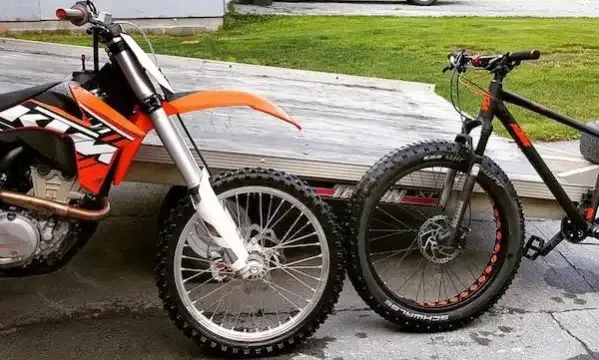
A mountain bike is pedal-powered trail equipment; a dirt bike is a motor vehicle. Compare access, safety gear, maintenance, noise, and running costs.
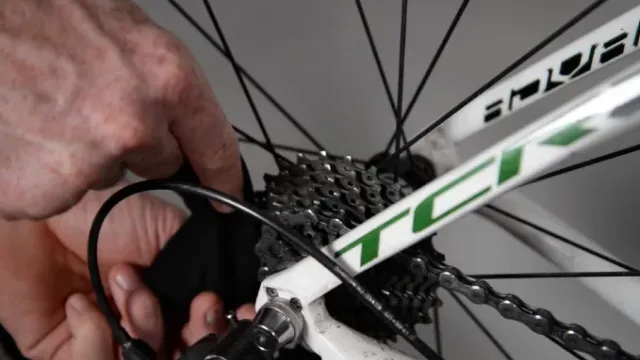
Clean a bike cassette with a brush, rag, and bike-safe degreaser while protecting the brakes and hub bearings. Removal is only needed for a deeper service.
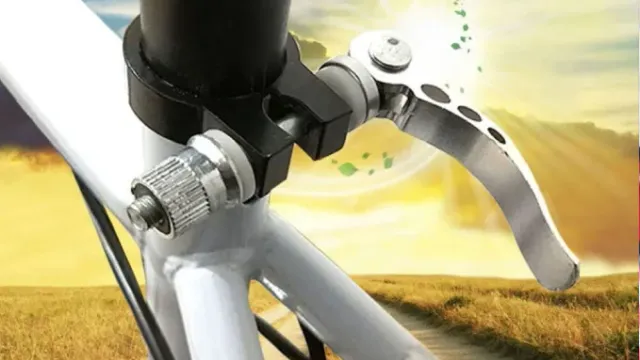
Install a quick-release seatpost clamp after confirming its diameter, frame compatibility, orientation, and surface prep, then test the post for any movement.
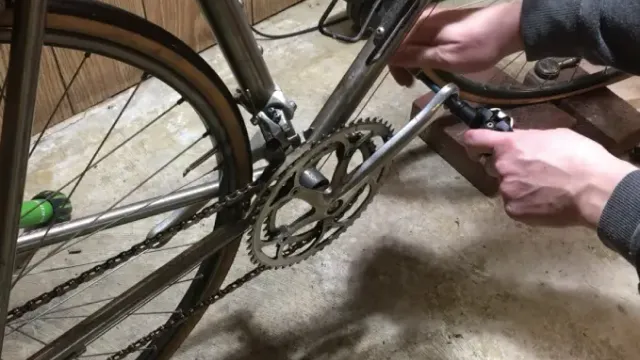
Remove hex-socket bike pedals with the exact-size wrench, full tool engagement, correct left and right thread directions, and a stable crank position.
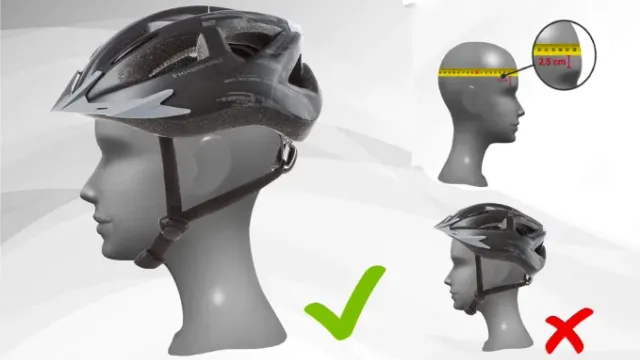
Measure around the widest part of your head just above the eyebrows, compare the result with the maker's chart, then confirm level position and secure straps.
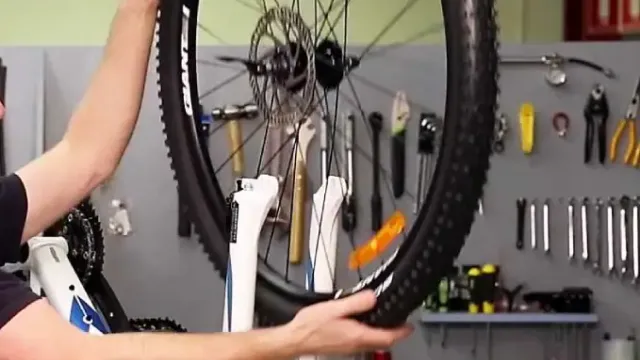
Install a front disc-brake wheel by guiding the rotor between the pads, fully seating the axle, securing it to the maker's instructions, and testing the brake.

A Peloton Bike or Tread can provide limited non-membership operation, but classes and connected features require a plan. Check the current on-screen options.
![How to Attach a Bike Helmet Mirror? [Step-by-Step]](/_astro/How-to-Attach-a-Bike-Helmet-Mirror.C5ex7d6o_1NSMo1.webp)
Attach a bike helmet mirror only with an approved, non-damaging mount. Position it at the edge of vision, confirm helmet fit, and practice away from traffic.
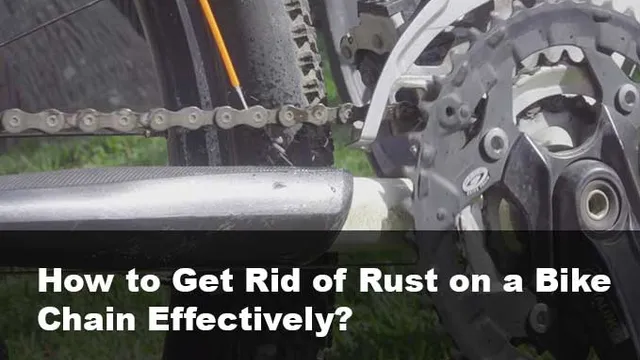
Remove only light surface rust from a sound bike chain by cleaning, drying, and lubricating it. Replace a stiff, pitted, cracked, or heavily corroded chain.
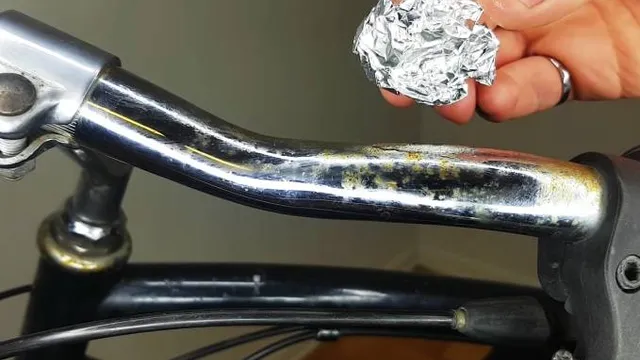
Remove light rust from sound steel bars with a maker-approved cleaner and soft cloth. Replace any bar with pitting, cracks, deep corrosion, or clamp damage.

Helmet mirrors move with your head and offer a compact view. Handlebar mirrors are steadier and easier to share. Compare fit, view, vibration, and trade-offs.
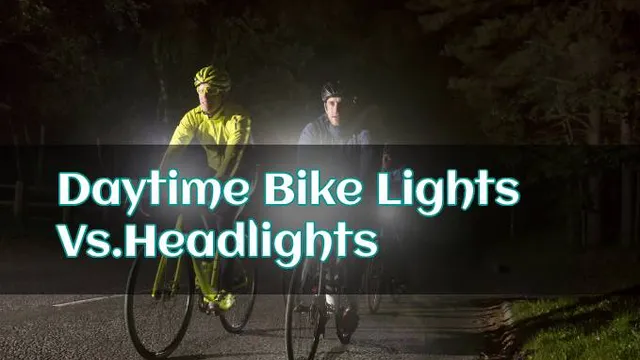
Use a headlight to see after dark and a conspicuous daytime light to help others notice you. Learn how beam pattern, flash mode, mounting, and local law differ.

Troubleshoot a failed dynamo light by checking the lamp switch, connectors, visible wire damage, grounding, and wheel-generator contact before seeking service.

Mount a helmet light with a maker-approved strap or clip, keep vents and straps clear, aim it below eye level, and retain a handlebar light for a stable beam.
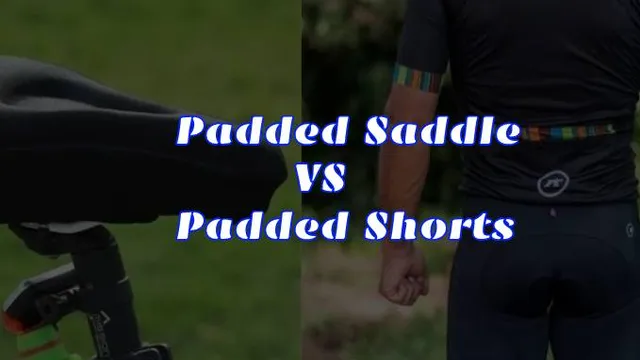
Padded shorts usually suit longer rides because the pad moves with you. A wider cushioned saddle may suit short upright rides, but fit comes first.
Choose cycling shoes by matching the cleat pattern to your pedals, then checking width, heel hold, toe room, closure, sole, and walking needs.

Wear a moisture-managing base, breathable insulation, weather shell, full-finger gloves, warm socks, and eye protection for winter mountain biking.

Choose cold-weather cycling tights by temperature, wind, rain, fit, and ride intensity. Learn when thermal fabric, wind panels, or an outer shell makes sense.
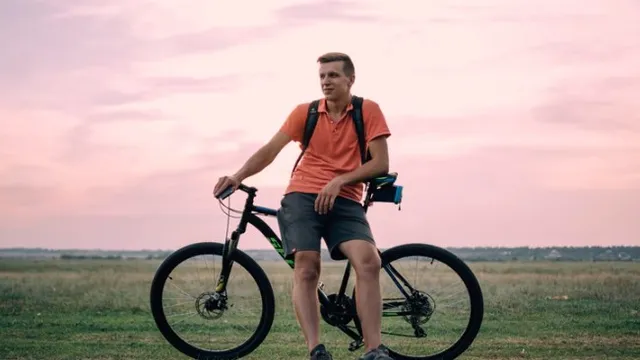
Compare five U.S. mountain-bike destinations, then verify current trail status, difficulty, permits, weather, and e-bike access with the land manager.

Dress for cycling with a moisture-managing base, weather protection, secure hems, gloves, and visible colors. Adjust the layers for effort, wind, and rain.

Mountain bike shoes often do not include cleats. Match the shoe's bolt pattern to the exact pedal system, then buy and install compatible cleats if needed.
Plan a safer bikepacking trip with a route check, reliable packing system, repair kit, water strategy, shakedown ride, and clear emergency plan.
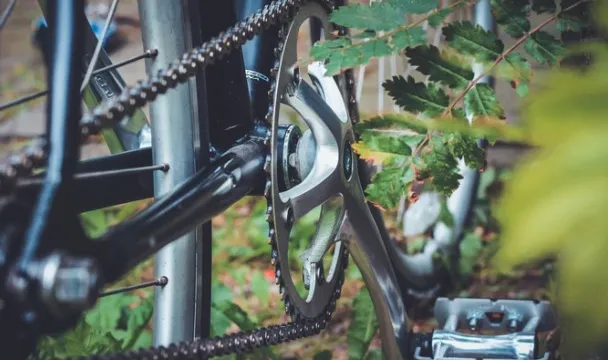
Remove a stuck bike pedal by confirming thread direction, using the correct tool with full engagement, supporting the crank, and applying controlled leverage.

Match spin shoes to the studio's pedal and cleat system before checking fit. The TIEM Slipstream is our current SPD-compatible walkable option.

Choose a bike basket by load, mounting points, tire clearance, steering, and compatibility. Learn when a front, rear, rack, or removable basket fits.
Learn to ride without training wheels by lowering the saddle, practicing balance and braking first, then adding gliding, steering, and pedaling.

Adjust mechanical bike gears by inspecting the drivetrain, setting derailleur limits from a baseline, then fine-tuning cable indexing one step at a time.
Lock the frame to an immovable rack with a quality U-lock or chain, secure vulnerable wheels, remove accessories, and choose a visible location.

Mountain biking builds aerobic fitness, strength, skills, and confidence while offering time outdoors. See eight realistic benefits and how to start safely.