
Bike Suspension in Cold Weather: Pressure, Seals, and Care
Care for bike suspension in cold weather by checking the maker's setup, seals, pressure, rebound, cleanliness, and service limits before riding.


135 posts by this author
The BikeRideReview editorial team publishes practical guidance about bicycles, components, maintenance, fit, and riding.
Our research starts with manufacturer documentation, service manuals, applicable safety guidance, current product records, and established repair references. Consequential claims are linked to their sources so readers can verify the details for their exact bicycle or component.
Unless an article explicitly describes a documented test, our recommendations are research-based and do not claim hands-on use. Product availability, specifications, compatibility, and retailer ratings are checked during each commercial update, but readers should confirm the current listing before buying.
Read our editorial policy for the full process and our affiliate disclosure for how the site is funded. Questions and correction requests can be sent through the contact page.
Care for bike suspension in cold weather by checking the maker's setup, seals, pressure, rebound, cleanliness, and service limits before riding.
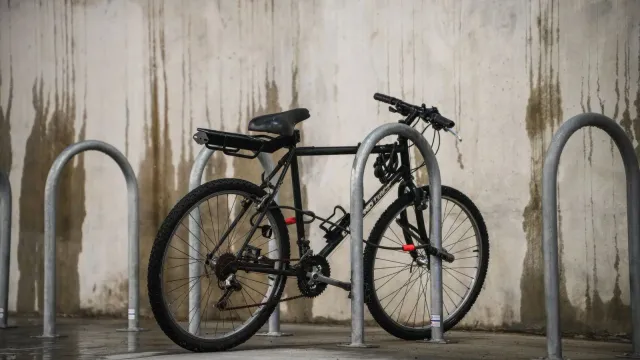
There is no universal bike commute distance limit. Judge a route by time, effort, traffic, terrain, recovery, weather, work demands, and your backup options.
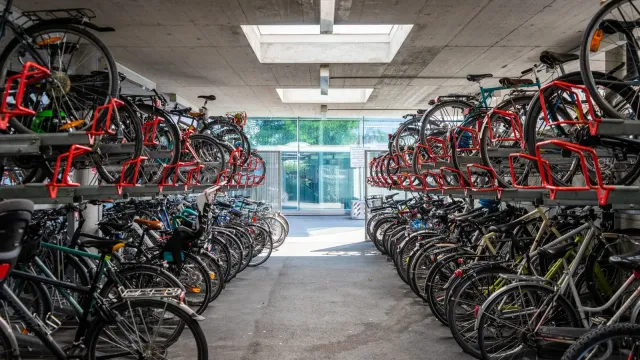
Compare a bike wall mount and floor stand by structure, lifting, floor space, tire fit, bike contact, access, and security before choosing.
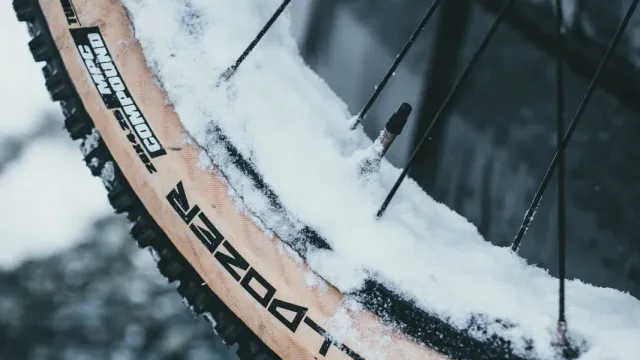
Check tubeless sealant in cold weather by following its label, inspecting the tire and bead, confirming pressure, and carrying a compatible repair plan.
Bike commute in rain with fenders, visible lights, breathable layers, controlled braking, a route plan, and a quick clean-and-lube routine after the ride.
Compare vertical and horizontal bike storage by floor space, wall length, lifting, bike contact, access, and structure, without assuming a universal winner.
Build a winter bike emergency kit around repair tools, warmth, visibility, communication, and a safe exit matched to your bicycle and route.
Reduce sweat on a bike commute with a manageable pace, breathable layers, a practical cargo setup, route timing, and a plan for heat and changing clothes.
Plan garage bike storage with floor stands, wall racks, hooks, and overhead options while protecting bikes, vehicles, walls, and access paths.
Set up winter commuting bike lights by choosing a useful beam, securing front and rear mounts, checking visibility, and carrying a safe backup.
Carry a laptop by bike with a fitted sleeve, stable bag, dry inner layer, and packing that keeps it away from impacts and water.
Compare apartment bike storage ideas that protect floors and walls, from floor stands to wall mounts, with fit, permission, and safety checks.