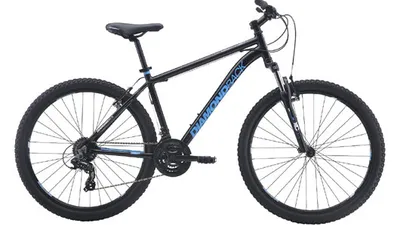
Merax Finiss Mountain Bike Review-Quality Beginner Bike
The Merax Finiss is no longer a verifiable current recommendation. Evaluate any used example by frame, fork, brake, wheel, fit, and repair condition.

The Merax Finiss cannot be verified as a current, manufacturer-supported mountain bike, so this page is now a used-bike inspection guide. Buy one only if the exact bike fits, passes a mechanical inspection, and remains good value after all immediate repairs.
This refresh is research-based. We did not ride or inspect a Finiss, and old retailer listings are not reliable evidence for current specifications or support.
The checks below can identify visible problems but cannot certify a frame or component. Federal bicycle rules include braking and structural-integrity requirements, so suspected damage in those systems needs a qualified mechanic’s assessment (CPSC bicycle requirements).
Do not rely on the model name alone
Online listings associated the Finiss name with different descriptions over time. Verify wheel size, frame size, brakes, fork, drivetrain, and serial markings on the actual bicycle. A seller’s copied specification table can describe a different variant.
Ask for photographs of:
- both sides of the complete bike;
- head tube, bottom bracket, dropouts, and welds;
- fork stanchions and seals;
- brake calipers, rotors, and levers;
- drivetrain and rear derailleur;
- tire sidewalls and wheel rims;
- model and serial labels.
Structural and safety inspection
Walk away from a cracked, deeply dented, bent, or heavily corroded frame. Do not ride with loose steering, a loose wheel, brake failure, a damaged tire bead, or crank movement.
Check the fork for binding, play, leakage, and scratched stanchions. Old budget suspension can be uneconomical to service, while a replacement must match the frame and wheel system. A fork is not a cosmetic upgrade.
Spin both wheels and watch the rim and tire. Side-to-side movement can come from a bent rim, loose spokes, hub play, or a poorly seated tire. Our guide to diagnosing a wobbling rear tire explains the stop conditions.
Brakes, drivetrain, and wear cost
Test both brakes at walking speed before any normal ride. The lever should not pull to the grip, the wheel should release after braking, and all mounting hardware should be secure.
Shift every gear under light pedal pressure. Look for a worn chain, damaged teeth, bent derailleur, frayed cables, and crank play. Add the full cost of tires, brake parts, chain, gears, cables, bearings, fork work, and shop labor before deciding.
Fit and intended use
Confirm standover clearance, reach, saddle range, and comfortable access to both brake levers. Do not buy a wrong-size bike because the saddle can move.
Even after service, treat an old entry-level bicycle according to the manufacturer’s documented intended use. It should not be assumed suitable for jumps, drops, or aggressive downhill riding. Review the mountain bike buying checklist and new-bike setup guide before a test ride.
Better current paths
If the Finiss needs major work or has no reliable parts support, compare current hardtails with published manuals and dealer service. The mountain bikes under $500 guide and mountain bikes under $1,000 guide explain the trade-offs at those budgets.
Use the Diamondback Sorrento guide for the same identity-first inspection when that exact model appears in a used listing.
The Finiss is not a safe blind online purchase. It is only a possible used value after fit, condition, and total repair cost are known.