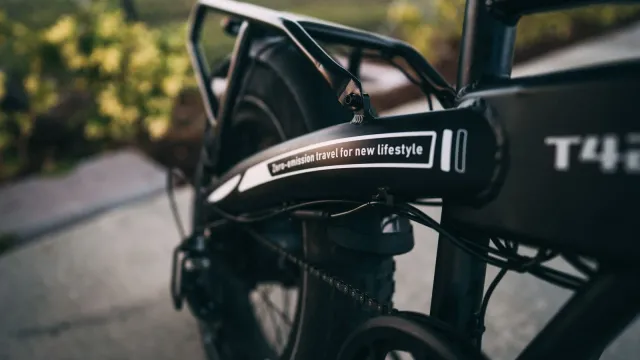
Mid-Drive vs. Hub-Motor E-Bike Conversion Kits
Compare mid-drive and hub-motor e-bike conversion kits by bicycle fit, gearing, wheel service, handling, electrical system, and maintenance.

21 posts with this tag
Compare mid-drive and hub-motor e-bike conversion kits by bicycle fit, gearing, wheel service, handling, electrical system, and maintenance.
Compare rear-rack and downtube e-bike conversion batteries by frame fit, retention, load, handling, cable clearance, weather, and service access.
Troubleshoot an e-bike conversion kit with a power-off sequence for battery, connectors, sensors, motor, error codes, and safe service decisions.
Find likely causes of an overheating e-bike conversion motor or controller, use safe checks, and know when to disconnect power and seek service.
Protect an e-bike conversion from rain by checking ratings, sealing compatible connectors, routing cables, shielding the controller, and keeping ports dry.
Install a pedal-assist sensor on an e-bike conversion by matching the sensor, ring, crank side, connector, alignment, cable route, and settings.
Compare cadence and torque sensors for an e-bike conversion by signal, ride feel, starts, installation, calibration, range planning, and compatibility.
Compare e-bike throttle and pedal assist by control, starts, range planning, sensor compatibility, safety cutoffs, maintenance, and local-use rules.
Check hub-motor axle and dropout compatibility by measuring spacing, slot shape, axle flats, washers, torque arms, brakes, and wheel clearance first.
Choose an e-bike conversion wheel size by matching the tire bead seat, rim, frame, fork, brake, axle, motor winding, controller, and clearance.
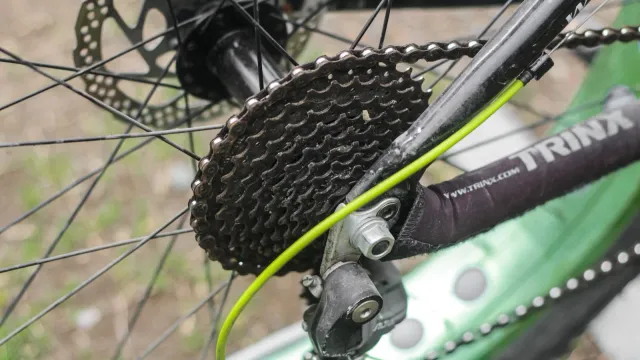
Set an e-bike conversion chainline by documenting the drivetrain, measuring alignment, checking maker limits, and correcting rub without risky spacers.

Plan e-bike conversion brake upgrades by checking mass, speed, terrain, rotor and caliper compatibility, lever control, fit, and a qualified inspection.