
Winter Bike Emergency Kit: Repair, Warmth, and Visibility
Build a winter bike emergency kit around repair tools, warmth, visibility, communication, and a safe exit matched to your bicycle and route.


Don’t Buy Upgrades, Ride Up Grades
Page 2 of 23
Build a winter bike emergency kit around repair tools, warmth, visibility, communication, and a safe exit matched to your bicycle and route.
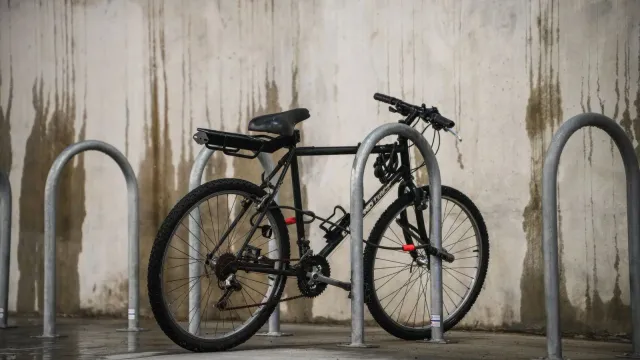
Reduce sweat on a bike commute with a manageable pace, breathable layers, a practical cargo setup, route timing, and a plan for heat and changing clothes.
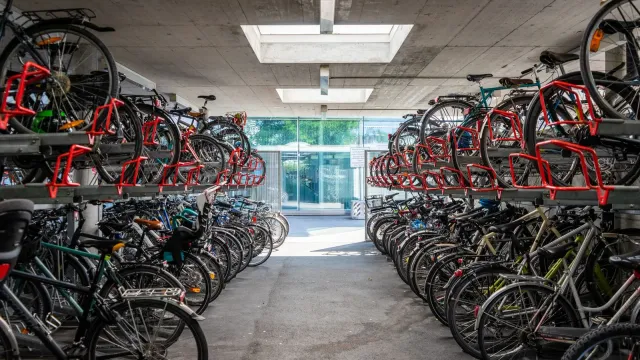
Plan garage bike storage with floor stands, wall racks, hooks, and overhead options while protecting bikes, vehicles, walls, and access paths.
Set up winter commuting bike lights by choosing a useful beam, securing front and rear mounts, checking visibility, and carrying a safe backup.
Carry a laptop by bike with a fitted sleeve, stable bag, dry inner layer, and packing that keeps it away from impacts and water.
Compare apartment bike storage ideas that protect floors and walls, from floor stands to wall mounts, with fit, permission, and safety checks.
Prevent bike rust in winter by removing salt and moisture, drying the bicycle, protecting finishes, and keeping cleaners and lubricants away from brakes.
Choose a bike pannier size by listing your real load, checking rack and heel clearance, separating volume from payload, and planning for weather and security.
Learn how to secure a bike on a car rack by checking vehicle and rack fit, using the maker's restraints, and adding a theft-deterrence lock-up.
Dry wet cycling shoes overnight with gentle cleaning, ventilation, absorbent paper, and maker-approved care while avoiding high heat, solvents, and direct sun.
Compare front and rear bike baskets by access, steering, rack fit, capacity, visibility, cargo security, and the maker limits for your bicycle.
Learn how to secure a bike without a rack by choosing a permitted fixed anchor, capturing the frame and wheels, and avoiding unsafe lock-up shortcuts.