Tubeless Rim Tape Width Guide: Measure Before You Buy
Start with the rim maker's tape specification. If none is published, measure internal width and choose tape that covers the rim bed without blocking the bead seats.
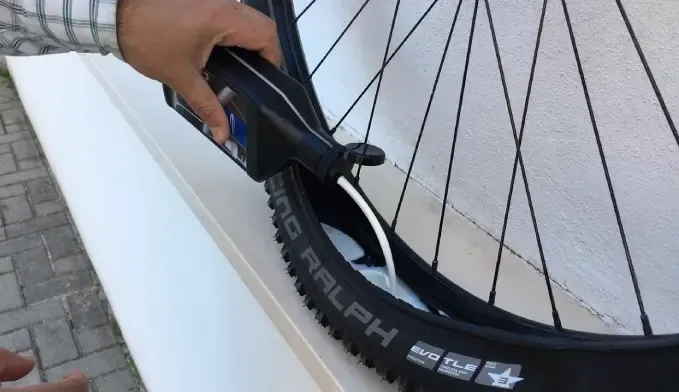
Use the rim manufacturer’s specified tape width whenever it is available. If the maker provides no number, measure the rim’s internal width and use the tape maker’s guidance as a starting point. The installed tape must cover every spoke hole and seal the rim bed without riding so far onto a bead seat that it interferes with tire seating.
Width alone does not make a wheel tubeless-ready
The tire, rim, tape, valve, and sealant must be compatible. Do not convert a wheel that its maker does not approve for tubeless use, and never exceed the lower pressure limit stated by the tire or rim maker.
The practical starting formula
Schwalbe’s current tubeless guidance says its tape commonly fits when it is 2–4 mm wider than the rim’s internal width. That is a Schwalbe starting range, not a rule for every rim shape or tape brand.
For example, a 25 mm internal-width rim might lead you to compare 27–29 mm Schwalbe tape—but only after checking the rim maker’s chart. Deep center channels, offset spoke beds, hooks, shoulders, and available tape sizes can change the correct choice.
How to measure the rim
- Remove the wheel, tire, tube, valve, and old tape as appropriate.
- Clean and inspect the bare rim using its maker’s approved method.
- Check the model marking and search the maker’s technical page for its published internal rim width and recommended tape.
- If a physical measurement is required, use calipers across the inside of the rim at the bead-seat reference specified by the rim maker. Do not include the outer sidewalls.
- Examine the full rim-bed contour. The tape has to seal the spoke holes and valve area, not merely match one straight-line number.
If the published value and your measurement disagree materially, stop and identify the exact rim. A double-wall rim’s exterior width is not its internal width.
What correct tape coverage looks like
Park Tool’s tubeless conversion guide explains the two failure directions: tape that is too narrow may not seal, while tape that is too wide can interfere with the bead seat.
Correctly sized tape should:
- cover all spoke holes securely;
- follow the rim bed without wrinkles, gaps, or trapped air;
- remain where the tape maker intends rather than folding up the sidewall;
- leave the tire bead able to occupy its designed seat;
- seal around the compatible tubeless valve without tearing.
Schwalbe recommends covering the entire rim base with its system and overlapping the tape by about 5–10 cm away from the valve. Use the exact tape maker’s overlap, tension, layer, and surface-preparation instructions.
Do you need one layer or two?
One correct layer is often enough, but not always. Schwalbe notes that a second layer can help on rims with a small shoulder diameter. Other wheel systems may require a different number of wraps, and some complete wheels use a proprietary rim strip rather than ordinary adhesive tape.
Do not add layers merely to hide wrinkles or a damaged rim. Extra thickness changes the bead-bed diameter and can make mounting or removal difficult. Follow the wheel and tape documentation.
Common sizing mistakes
- Ordering from the tire width instead of the rim’s internal width.
- Measuring the rim’s outside width.
- Choosing tape that leaves an outer row of spoke holes exposed.
- Covering a bead seat because “wider must seal better.”
- Mixing ordinary rim tape with a tubeless system without maker approval.
- Puncturing a large or ragged valve hole through fresh tape.
- Using tape that is incompatible with the chosen sealant or pressure.
The full tubeless tire installation guide covers compatible valves, sealant, inflation, and bead inspection after the tape is installed.
When to replace tubeless tape
Replace tape when the system maker says to or when it lifts, tears, wrinkles, becomes brittle, exposes a spoke hole, has a damaged valve opening, or shows severe spoke-hole depressions. A leak appearing at the valve or spoke nipples can originate from tape damage elsewhere because air moves through the rim cavity.
If a properly serviced valve and new tape do not solve air loss, Schwalbe warns that the rim joint or rim bed could be defective. Stop using a cracked, dented, corroded, or otherwise compromised rim and have it assessed.
Bottom line
The rim maker’s number wins. Without one, internal width plus the tape maker’s offset is only the first filter; final selection depends on complete spoke-hole coverage and an unobstructed bead seat. If the tape cannot do both, it is not the correct width or system.