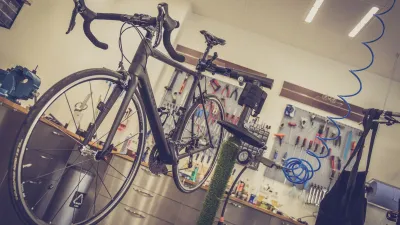
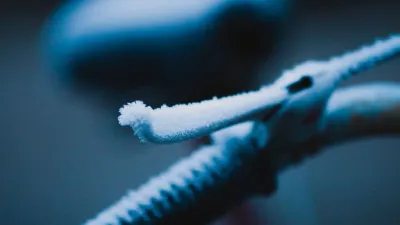
Winter Cycling Guide: Gear, Bike Prep, and Safe Riding
Ride through winter by deciding whether to go, preparing tires and brakes, adding fenders and lights, and cleaning the bike after salt, with a guide for each step.

Winter cycling works when you decide before each ride whether the route is controllable, set up the bike for wet and cold (tires, brakes, fenders, lights), dress for the ride rather than the start, and clean the bike afterward to stop salt damage. No single setup suits every winter, so the guides below let you pick the parts that match your weather.
This hub collects every BikeRideReview winter post in the order a rider needs them. It is research-based safety guidance drawn from public and manufacturer sources, not a claim of personal winter riding experience.
Stop conditions
Do not ride through glare ice, a route whose hazards you cannot see, frozen or stiff controls, weak braking, a damaged tire, or cold stress that clouds your judgment. Walk the bike or turn back.
The winter routine in order
- Decide. Check cold, ice, wind, and light before leaving.
- Prepare the bike. Set tires, brakes, fenders, and lights.
- Ride and dress for it. Slow down, stay visible, and carry a kit.
- Clean up. Rinse salt, dry, and relube the chain.
- Store. Keep the bike and battery somewhere dry.
Step 1: Decide whether to ride
There is no universal cold cutoff. Wind, ice, visibility, clothing, and your return plan matter more than the temperature alone.
- When Is It Too Cold to Ride a Bike? gives a safety check for wind, ice, light, clothing, and bike control.
- Riding a Bike in Snow lists traction, visibility, and stop conditions for a go or no-go call.
- How to Bike Commute in Rain covers fenders, lights, layers, and braking for wet commutes that stay above freezing.
Step 2: Prepare the bike
Tires, brakes, and fenders do the most for grip and control. Set them up before the first cold week.
- Winter Bike Maintenance is the overall routine for salt, wet lube, brakes, and tires.
- Winter Bike Tire Pressure explains how much to lower pressure and when, within the tire and rim limits.
- Winter Bike Tire Width shows how to choose width from real clearance and surface conditions.
- Studded Bike Tires covers when studs help on ice and how to choose and inspect them.
- Tubeless Tire Sealant in Cold Weather answers how cold affects sealant and what to check before riding.
- Winter Bike Braking explains how to check pads, rotors, and cables and how to slow safely on wet, snowy, or icy roads.
- Winter Bike Fender Setup matches fender coverage and clearance to your tire width and mounts.
- Bike Fenders vs. Mudguards clears up the names and compares coverage and fit.
- Bike Suspension in Cold Weather covers seals, pressure, and rebound when it is cold.
- How to Keep Bike Cables and Controls From Freezing explains how to avoid stiff shifters and brake levers.
- How to Prevent a Bike Lock From Freezing shows how to keep the lock mechanism working.
Step 3: Dress, light up, and carry a kit
Cold hands, feet, and low light cause more trouble than most mechanical faults.
- What to Wear for Winter Mountain Biking covers layers and the clothing that works off-road.
- Cycling Tights for Cold Weather explains what to look for in tights for cold rides.
- Winter Bike Commuting Visibility Checklist lists lights, reflectors, clothing, and habits for low-light riding.
- Bike Light Setup for Winter Commuting covers beam, mounts, and a backup light.
- Best Bike Helmets with Lights compares helmets with built-in lights for visibility.
- Best Mountain Bike Lights for Night Riding compares lights for dark trails.
- Winter Cycling Hydration explains why cold rides still need fluids.
- Winter Bike Emergency Kit builds a kit around repair, warmth, visibility, and a safe exit.
Step 4: Clean the bike and care for the chain
Road salt and grit wear parts and cause rust. A short routine after wet rides prevents most of it.
- How to Protect a Bike From Road Salt shows how to rinse, dry, and inspect without contaminating brakes.
- How to Clean a Bike After a Wet or Salty Winter Ride gives the rinse, dry, lube, and inspect sequence.
- How to Prevent Bike Rust in Winter covers drying, finish protection, and keeping lubricant off brakes.
- Winter Bike Chain Care explains cleaning, wet versus dry lube, and checking for rust or wear.
- Chain Wax vs. Chain Lube compares the two for cleanliness and wet-weather use.
- What Can I Use to Lubricate My Bike Chain? lists safe lubricant choices.
- How to Remove Rust From a Bike Chain shows what to try and when to replace the chain.
Step 5: Store the bike for winter
If you stop riding for the season, clean, lube, and store the bike dry.
- How to Store a Bike for Winter gives the clean, lube, and protect routine for the bike and battery.
- Garage Bike Storage covers racks, hooks, and space planning.
- Apartment Bike Storage Ideas compares stands and wall mounts that protect floors and walls.
- Ceiling Bike Storage covers lift, hook, and clearance for overhead storage.
- E-Bike Batteries in Cold Weather explains range, charging, and storage for e-bike batteries. If you are adding a motor, see the e-bike conversion guide.
Quick pre-ride winter check
- Tires hold the pressure you set and show no damage.
- Both brakes stop the bike with normal lever feel.
- Front and rear lights work and are mounted securely.
- Shifters, brake levers, and the lock move freely.
- Fenders clear the tires and are tight.
- Your clothing covers hands, feet, and head.
- You know the route and an exit if it worsens.
Frequently asked questions
Can you ride a bike in winter?
Yes, when the route is controllable and the bike is set up for it. Use the checks in When Is It Too Cold to Ride a Bike? and Riding a Bike in Snow.
Do I need studded tires?
Only for ice you expect to ride regularly. See Studded Bike Tires for when they help and what they cost you in effort.
How do I protect my bike from road salt?
Rinse gently, dry the bike, relube the chain, and keep cleaners away from brakes. The road salt guide has the steps.