
How to Prevent Bike Rust in Winter
Prevent bike rust in winter by removing salt and moisture, drying the bicycle, protecting finishes, and keeping cleaners and lubricants away from brakes.


Page 2 of 12 - 135 posts by this author
Prevent bike rust in winter by removing salt and moisture, drying the bicycle, protecting finishes, and keeping cleaners and lubricants away from brakes.
Choose a bike pannier size by listing your real load, checking rack and heel clearance, separating volume from payload, and planning for weather and security.
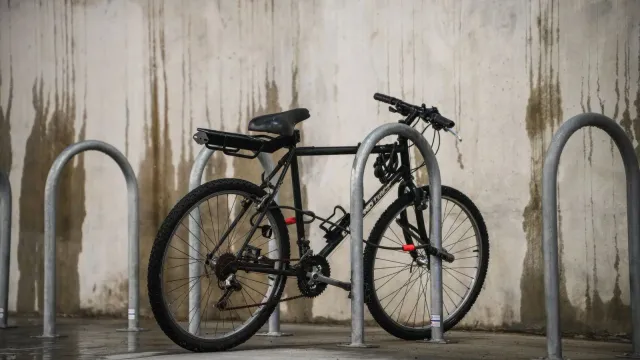
Learn how to secure a bike on a car rack by checking vehicle and rack fit, using the maker's restraints, and adding a theft-deterrence lock-up.
Dry wet cycling shoes overnight with gentle cleaning, ventilation, absorbent paper, and maker-approved care while avoiding high heat, solvents, and direct sun.
Compare front and rear bike baskets by access, steering, rack fit, capacity, visibility, cargo security, and the maker limits for your bicycle.
Learn how to secure a bike without a rack by choosing a permitted fixed anchor, capturing the frame and wheels, and avoiding unsafe lock-up shortcuts.
Prevent a bike lock from freezing by keeping the mechanism clean and dry, using the maker-approved lubricant, and avoiding force, water, and unsafe heat.
Choose between a backpack and bike panniers by comparing body load, sweat, rack fit, walking, weather, security, and the gear your commute actually needs.
Learn how Sold Secure and brand security ratings work, what they can and cannot prove, and how to match a bike lock to your parking risk.
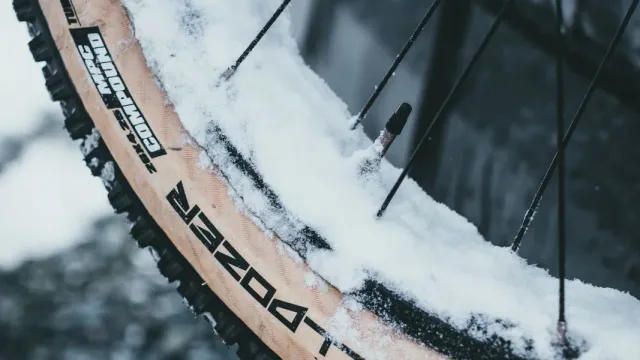
Choose winter bike tire width from actual clearance, rim and tire limits, fenders, load, and surface conditions instead of a universal snow-width rule.
Compare flat and clipless pedals for commuting by looking at starts, stops, walking, shoes, weather, traffic, setup, and the skills each option requires.
Compare folding locks and U-locks by fit, security evidence, reach, carrying, and daily use. No lock or rating makes a bike theft-proof.