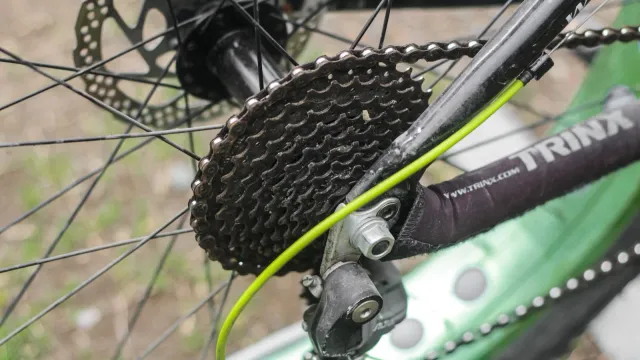
Chain Wax vs. Chain Lube: Cleanliness, Wear, and Maintenance
Compare bicycle chain wax and liquid lube by preparation, cleanliness, wet-weather use, wear checks, reapplication, and the routine your ride permits.


Page 4 of 12 - 135 posts by this author
Compare bicycle chain wax and liquid lube by preparation, cleanliness, wet-weather use, wear checks, reapplication, and the routine your ride permits.
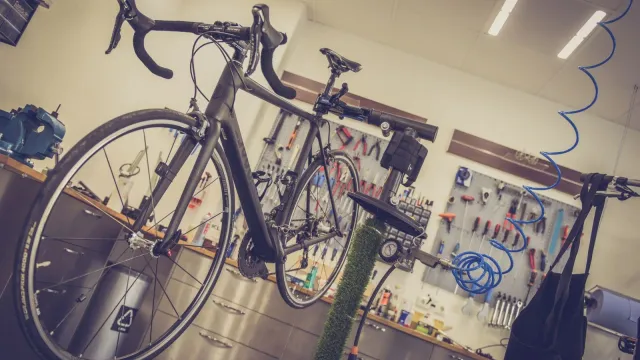
Learn how to tell whether a bike is too big or too small by checking reach, standover, saddle range, control access, and handling.
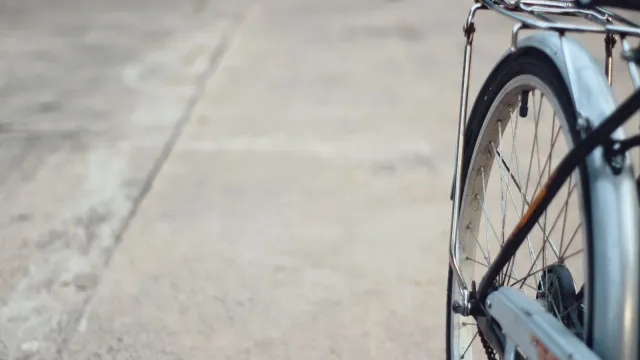
Learn what bike spoke tension means, how to measure it with a tensiometer, and when uneven, loose, or excessive tension needs a wheel builder.
A bike master link is reusable only when its maker says so and the link passes inspection. Shimano and SRAM manuals direct riders to replace removed links.
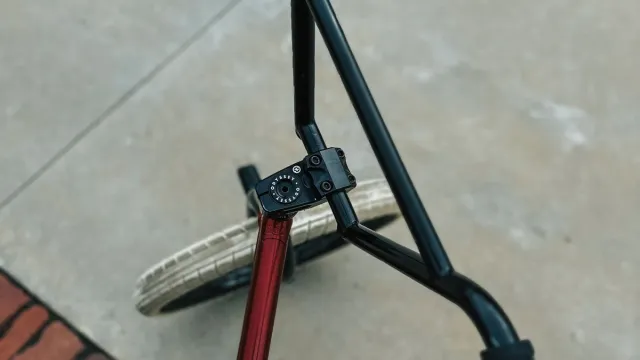
Choose bike stem length by checking frame reach, rider position, handling, clamp compatibility, and cable slack. Follow the maker's torque and steerer limits.
Learn how to inspect and true a bicycle wheel for lateral and radial movement, with spoke, rim, dish, and stop-service checks.
Match a bike chain to an 8-, 9-, 10-, 11-, or 12-speed drivetrain by checking the maker, cassette, chainrings, derailleur, joining link, and system limits.
Choose bike crank length by checking fit, pedal clearance, bottom-bracket compatibility, and maker specifications. Learn what changes and what does not.

Compare resin and metallic bike brake pads by noise, weather, heat, wear, feel, and compatibility, then choose from your brake maker's specifications.
Learn how to tell whether a bicycle chain is too tight or too loose, separate single-speed tension from derailleur setup, and choose safe next checks.
Choose bike handlebar width by combining body position, bike geometry, controls, and riding space. Measure first and follow the bar maker's limits.
Choose a bike disc brake rotor size by checking the exact fork, frame, caliper, hub, adapter, pad, and maker limits before changing diameter.