Bike Stem Length Guide: Handling, Reach, and Fit
Choose bike stem length by checking frame reach, rider position, handling, clamp compatibility, and cable slack. Follow the maker's torque and steerer limits.
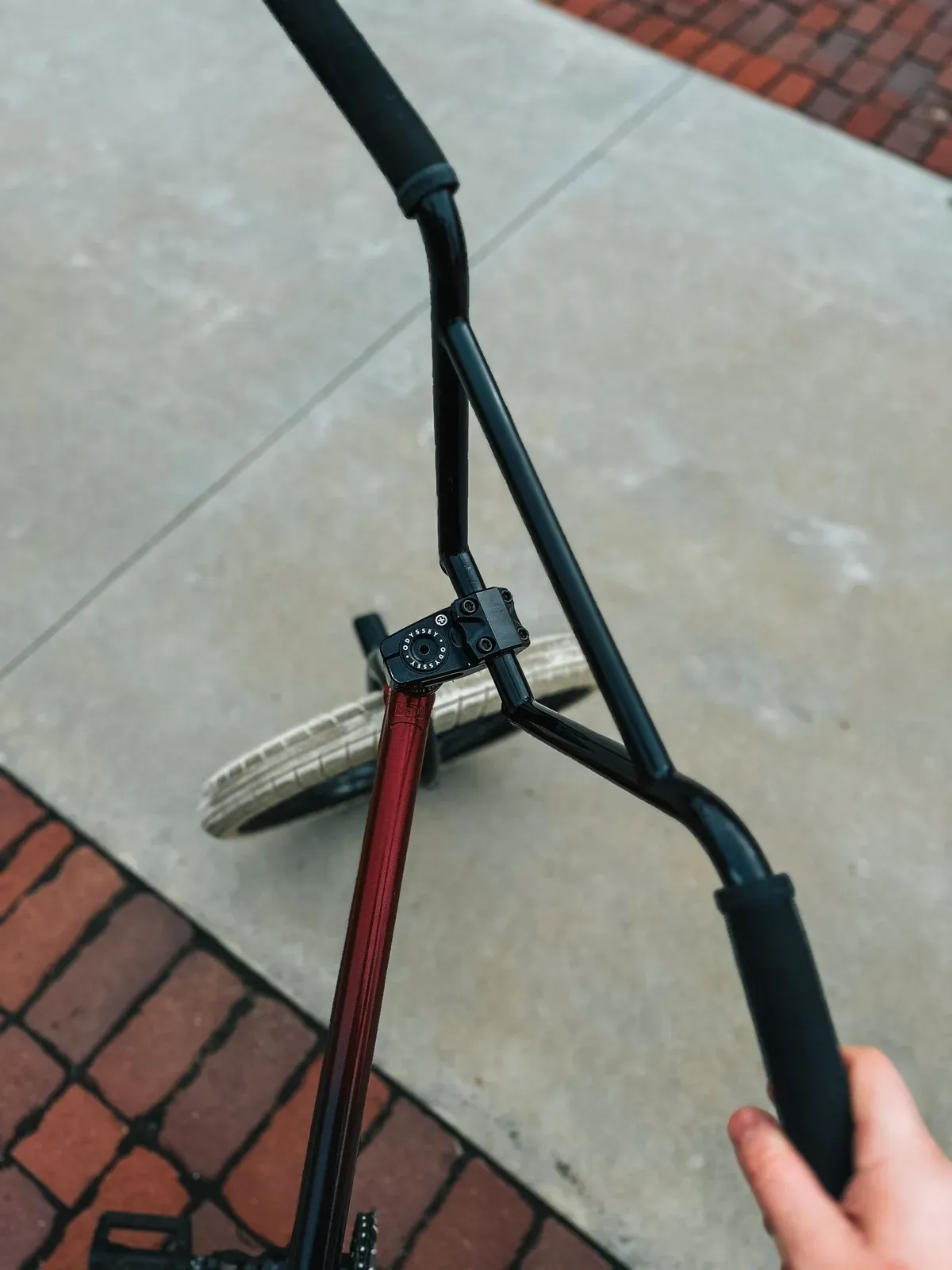
Table of Contents
- What a stem does
- How stem length changes reach and handling
- Measure your current stem
- Decide whether the issue is fit or handling
- Choose stem length by bike type
- Check compatibility before buying
- Install and evaluate one change
- When a stem is not the right fix
- Recheck saddle and cockpit relationships
- Frequently asked questions
- How we researched this guide
- Bottom line
- Sources
Bike stem length is the center-to-center distance between the fork steerer clamp and handlebar clamp. It moves the bars relative to the frame and changes rider reach, weight distribution, and steering feel. Choose it only after checking the frame’s reach and stack, the current saddle position, your riding posture, the bar and steerer interfaces, and the cable or hose route. There is no universal correct stem length.
Cane Creek describes the stem as the connector between the handlebar and fork steerer and says its length affects reach, comfort, and handling, while Park Tool emphasizes measuring the current setup and matching the bar and stem clamp diameters (Cane Creek, “How to Choose the Right Bicycle Stem Length”, retrieved September 2, 2026; Park Tool, “Handlebar Removal & Installation: Flat Bars”, retrieved September 2, 2026). Use those principles as a decision process rather than a fixed length chart.
Key Takeaways
- A stem changes the hand position and steering response, but it does not change the frame’s reach or make an unsuitable frame fit.
- Measure the current stem from steerer center to handlebar center and record its angle, rise, clamps, spacers, bar, and control positions.
- Evaluate fit before handling: saddle position, bar height, reach, brake access, and riding posture all affect the result.
- The replacement must match the steerer, handlebar clamp, bar material, cable route, spacer stack, and manufacturer limits.
- Make one change at a time, tighten to the exact specifications, and stop if steering or braking is uncertain.
What a stem does
The stem bridges two interfaces: the fork steerer at the rear and the handlebar at the front. Its length projects the bar forward or brings it closer, while its angle and the spacer arrangement affect bar height. A change therefore influences more than a tape-measured distance. It can alter how much weight rests on the hands, where the elbows sit, and how quickly steering input is felt.
Frame reach remains the frame’s geometry value. Rider reach is the position produced by the frame, saddle, stem, bar, spacers, and posture. The bike reach guide explains that these measurements use different references. Do not add or subtract stem length from a catalog reach and treat the result as a complete fit number.
A stem can be a useful fine adjustment when the frame and contact points are already appropriate. It is a poor way to rescue a frame that is clearly too long, too short, too tall, or outside the maker’s fit range. The frame size and wheel size guide gives the frame-level checks that come before component selection.
How stem length changes reach and handling
A longer stem generally moves the handlebar farther from the steerer, while a shorter stem generally brings it closer. That changes the rider’s upper-body position and the steering leverage around the front of the bike. Pushing the bars farther forward can feel steadier for one geometry and too stretched for another. Bringing them closer can improve control for one rider and feel nervous or cramped for another.
Treat these as observations to verify:
- A change in length moves the hand position even if the saddle stays still.
- A change in angle or spacers also changes bar height and torso posture.
- A change in the bar can alter the effective reach without changing the stem.
- A move of the saddle changes pedaling position and the distance to the bars.
- The frame’s head angle, fork offset, wheel size, tire, and rider movement affect handling.
The handlebar-width guide covers how bar width and backsweep interact with the stem. Consider those variables together, but change only one when you are diagnosing a fit or control issue.
Measure your current stem
Start with the installed bicycle. Look for a length marking on the stem body or underside. If it is not marked, measure the distance from the center of the steerer tube to the center of the handlebar clamp. Measuring from the outside of either tube, the front of the faceplate, or the end of the bar does not produce the stem’s center-to-center value.
Record the complete cockpit before loosening any fastener:
- Stem length, angle or rise, model, and material.
- Steerer clamp diameter and handlebar clamp diameter.
- Number and position of headset spacers.
- Bar width, rise, backsweep, drop, and flare where applicable.
- Saddle height, fore-aft position, and angle.
- Brake-lever, shifter, dropper remote, bell, light, and computer positions.
- Cable, hose, and electronic-wire slack with the bar turned fully left and right.
Cane Creek recommends starting from the current setup and measuring the stem from steerer center to handlebar center. Park Tool likewise says a replacement bar and stem must share the correct clamp diameter and recommends taking photos and noting control positions before removal (Cane Creek, “How to Choose the Right Bicycle Stem Length”, retrieved September 2, 2026; Park Tool, “Handlebar Removal & Installation: Flat Bars”, retrieved September 2, 2026).
Decide whether the issue is fit or handling
Separate the symptom before choosing a stem. If your hands feel too far away, first verify saddle position, bar shape, bar roll, and bar height. If the bicycle feels too quick or too slow to steer, consider the complete geometry and tires as well as the stem. If the brakes, shifters, or dropper controls are hard to reach, the control position or bar may be the cause.
Use a short observation checklist:
- Can you reach and apply both brakes without changing your grip?
- Can your elbows stay softly bent in the intended seated or standing position?
- Do your shoulders, wrists, neck, and lower back remain relaxed on the normal route?
- Does the bike track and turn predictably at the speed and terrain for which it was designed?
- Are you compensating by sliding the saddle, rounding your back, or locking your arms?
REI recommends fitting the bicycle to how you currently ride, confirming the correct frame size first, then making easy adjustments such as seat position and a stem swap (REI, “Bike Fitting Basics”, retrieved September 2, 2026). Persistent pain, numbness, or loss of control needs a qualified fitting or medical advice, not a guessed stem length.
Choose stem length by bike type
The same stem length can be appropriate on one bicycle and unsuitable on another because frame reach, stack, head angle, handlebar shape, and riding posture differ. Use your bike maker’s original component specification as an important clue.
Mountain bikes
Mountain-bike stems support a standing position, front-wheel control, climbing balance, and room to move on descents. A very long stem can place the hands far forward on a frame already designed with long reach. A very short stem can bring the bars close while changing the steering feel. Terrain, wheel size, bar width, fork setup, and rider movement all matter.
Check the frame’s reach and stack, the bar’s rise and backsweep, brake-lever access, and cable slack. The mountain-bike size guide helps separate a frame-size decision from a cockpit adjustment. Do not copy a trail bike’s stem to a cross-country, cargo, or e-bike without reviewing the complete geometry.
Road and gravel bikes
Road and gravel fit depends on seated reach, drop-bar reach, hood placement, drop access, bar flare, saddle position, and the rider’s ability to support the posture. A stem change can alter the distance to the hoods and drops while leaving the bar’s shape untouched. Check that the brake levers remain reachable in every hand position you use.
On an internally routed bike, a stem or bar swap may require a different hose or wire route. Do not pull on hydraulic hoses or electronic wires to create slack. Read the bicycle and cockpit maker’s service instructions or use a qualified shop.
Hybrid and commuter bikes
For a hybrid, prioritize stable brake access, a comfortable upright position, visibility, and room for clothing or bar accessories. A stem that is too long can force the rider to lean farther than intended; one that is too short can crowd the controls. Check mirrors, bells, lights, baskets, and grips as part of the usable cockpit.
The hybrid and commuter bike guide covers practical fit and carrying considerations. The stem is successful only when those daily tasks remain safe and easy.
E-bikes
E-bikes can have displays, control pads, throttles, brake cut-off wires, and integrated lighting controls on the bar. Map the control space and wire path before ordering a stem. A stem change can alter hose and cable tension when the handlebar turns, especially on a heavy e-bike or a conversion with added wiring.
Follow the bicycle, motor, and conversion maker’s instructions for steerer, bar, torque, and cable routing. The electric-bike conversion kit guide explains why an e-bike is a system of compatible frame, fork, brakes, motor, battery, controller, and controls.
Check compatibility before buying
Stem length is meaningless if the stem does not fit the fork and bar. Verify these fields on the exact model:
| Interface or field | What to confirm | Why it matters |
|---|---|---|
| Steerer clamp | Diameter, steerer type, and maker limits | A wrong interface can loosen or damage the connection |
| Bar clamp | Diameter and bar-material instructions | Near-matching diameters are not automatically compatible |
| Stack | Spacer position and steerer engagement | Stem height must remain within the fork and headset limits |
| Angle or rise | Actual model specification | Changes height along with length |
| Cable route | Brake, shift, dropper, and electronic slack | A tight route can interfere with steering or fail |
| Torque | Stem, faceplate, steerer, and bar values | Fastener values vary by component and material |
Park Tool lists common flat-bar clamp diameters and warns that some are close enough to look similar but are not cross-compatible. It also directs installers to the appropriate maker specification for bolt tightening (Park Tool, “Handlebar Removal & Installation: Flat Bars”, retrieved September 2, 2026).
Carbon handlebars and carbon steerers require special care. Use the assembly compound, torque range, steerer length, and inspection rules named by the component makers. Do not file a clamp, use an unapproved shim, or stack spacers to force a marginal fit.
Install and evaluate one change
If you have the correct tools and service instructions, use this sequence as a planning checklist:
- Support the bicycle and photograph the current bar, stem, spacers, and controls.
- Mark or record the handlebar roll and the steerer spacer arrangement.
- Confirm the new stem, bar, steerer, spacers, faceplate, and fastener instructions.
- Remove the old stem without pulling cables, hoses, or wires.
- Install the new stem centered with the front wheel and place the bar in its maker-approved position.
- Tighten bolts in the order and pattern the manufacturer specifies, using the exact torque values.
- Turn the bar through its full range and check cable, hose, wire, tire, frame, and control clearance.
- Check that the bar cannot rotate in the stem and that the stem cannot twist on the steerer.
- Test braking, shifting, steering, and control access at low speed in a safe area.
Trek’s owner manual says the handlebar must be at 90 degrees to the wheel, tightened so it cannot twist, and free of cable interference through the steering range. It warns that an unsecured handlebar or grip can cause loss of control (Trek Bicycle, “Bicycle Owner’s Manual,” PDF, retrieved September 2, 2026). If any part moves, creaks, contacts another part, or affects braking, stop and obtain a qualified inspection.
Make one change at a time and record the result. A short, controlled ride can show whether the position or handling changed, but it does not validate an out-of-spec installation.
When a stem is not the right fix
Reconsider the frame when the bars require an extreme stem, the saddle cannot remain in a workable position, the rider cannot reach the controls, or the post and standover limits are already strained. The bike-fit symptoms guide groups common signs that point to a frame-size review rather than a single component change.
Likewise, a stem is not a substitute for a wrong bar width, unsuitable crank length, damaged headset, loose steerer, or a bicycle that is outside its intended use. Check the bike handlebar width guide for control and shoulder position, and ask a qualified mechanic to inspect any steering component that may be damaged.
Recheck saddle and cockpit relationships
Changing the stem moves the hands but leaves the saddle in place. Evaluate the resulting distance without sliding the saddle just to make the numbers look familiar. The saddle should support pedaling and the stem should support the intended cockpit. The saddle fore-aft guide explains why moving the saddle also changes knee position and weight distribution.
After installation, record the stem length and angle, spacer stack, bar roll, saddle position, control position, and any observed symptom. This makes the next adjustment explainable and gives a shop useful information if the position remains uncomfortable.
Frequently asked questions
How do I measure bike stem length?
Measure from the center of the fork steerer clamp to the center of the handlebar clamp. Use the stem marking when available, and do not measure to the outside edge or faceplate. Confirm the maker’s measurement convention if the model is unusual.
Does a longer stem make a bike faster?
Not by itself. A longer stem changes rider reach, posture, and handling, and the result depends on frame geometry, bar, saddle, terrain, and rider. Choose the position that supports control and comfort within the maker’s limits rather than chasing a speed claim.
Is a shorter stem better for a mountain bike?
A shorter stem may bring the bars closer and can change steering feel, but it is not automatically better. Compare frame reach, stack, bar width, rise, fork setup, rider position, and intended terrain. Use the bike maker’s original specification as a starting point.
Can I use a stem with the same length but a different angle?
Only if the stem fits the steerer and bar and the angle, spacer, cable, and torque requirements are compatible. Angle changes bar height as well as reach. Follow the exact component instructions, especially for carbon parts and internally routed systems.
How much can a stem fix a bike that feels too big?
A modest stem adjustment may refine a suitable frame, but it cannot make every oversized frame fit. If reach, standover, saddle range, and control access remain wrong, revisit the frame choice or ask a qualified fitter. Do not use an extreme component position as a safety workaround.
How we researched this guide
This is research-based fit and installation guidance, not a stem comparison, professional fitting session, or ride test. We reviewed Cane Creek’s stem-length guidance, Park Tool’s flat-bar installation instructions, REI’s bike-fitting basics, and Trek’s owner manual. DataForSEO’s September 2, 2026 US English snapshot classified “bike stem length guide” as informational and surfaced a manufacturer guide, fit calculator, discussions, and buyer guidance. The SERP pattern informed the article’s question structure, not a universal stem recommendation.
Bottom line
Use the stem to refine a frame and cockpit that already fit the rider’s proportions and use. Measure the current setup, diagnose whether the problem is reach, height, control access, or handling, and confirm every interface before buying. Install with the exact maker procedure and torque values, check full steering clearance, and change one variable at a time. If the result demands an extreme stem or still causes pain or control problems, revisit frame fit or use a qualified mechanic.
Sources
- Cane Creek, “How to Choose the Right Bicycle Stem Length,” retrieved September 2, 2026, https://www.canecreek.com/blogs/journal/how-to-choose-the-right-bicycle-stem-length
- Park Tool, “Handlebar Removal & Installation: Flat Bars,” retrieved September 2, 2026, https://www.parktool.com/en-us/blog/repair-help/handlebar-removal-installation-flat-bars
- REI, “Bike Fitting Basics,” retrieved September 2, 2026, https://www.rei.com/learn/expert-advice/bike-fit.html
- Trek Bicycle, “Bicycle Owner’s Manual,” retrieved September 2, 2026, https://media.trekbikes.com/image/upload/v1692651979/TK_OwnersManual_EN-US_June2023_WEB.pdf