Bike Tire Sidewall Damage: Repair or Replace?
Replace a bike tire with cut casing threads, a bulge, bead damage, or a growing sidewall tear. Learn what a boot can and cannot do.
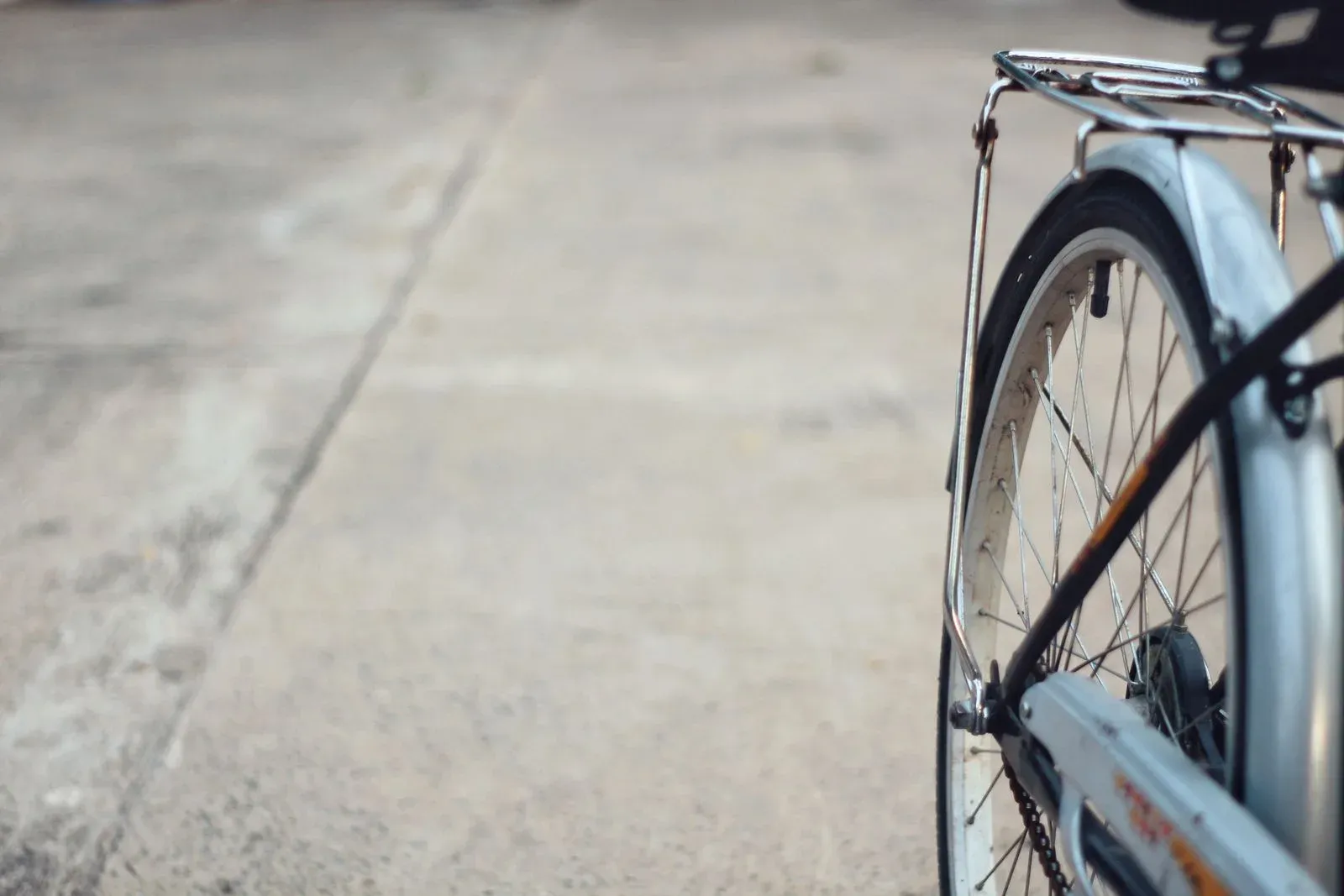
Replace the tire if a sidewall cut reaches the casing, exposes threads, creates a bulge, damages the bead, grows under pressure, or lets the tube protrude. A tire boot is an emergency measure for getting home; it does not restore the tire’s original structure.
Quick decision table
| What you see | Decision |
|---|---|
| Superficial rubber scuff with no cut, threads, or distortion | Clean, inspect, and monitor |
| Small tread puncture with intact casing | Repair the tube or approved tubeless puncture; inspect tire |
| Cut casing thread, hole, or tube visible | Replace tire |
| Bulge or wobble when inflated | Deflate and replace tire |
| Damaged or exposed bead | Replace tire |
| Emergency sidewall cut away from home | Boot only to exit safely, then replace |
Park Tool’s tire inspection procedure says to inspect the tread, inside casing, sidewall, and bead; its damaged-casing example is a replacement case. Continental likewise advises replacing a bicycle tire with a sidewall tear or bulge in its bike tire maintenance guide.
Inspect it without pressure
Do not keep inflating a suspect tire to “see what happens.” Remove the wheel, fully deflate it, and inspect both sides of the casing in bright light.
- Mark the damage before removing the tire.
- Check the exterior for a cut, scuff, chemical damage, or brake-pad contact.
- Flex the area gently and inspect the interior for separated or cut threads.
- Check the bead for broken wire or aramid fibers and distorted rubber.
- Inspect the rim, rim tape, brake pads, and frame clearance for the cause.
A tube puncture can be patched. A damaged tire casing carries the load and contains the tube; a tube patch does not repair that structure.
When a tire boot is appropriate
A purpose-made boot—or, in an emergency, a tough non-stretching wrapper—can prevent a new tube from pushing through a small casing cut long enough to leave an unsafe location. Install it inside the tire, use conservative pressure, avoid speed and hard cornering, and take the shortest safe route.
Replace the tire before normal riding. Adhesive on the outside, sewing, or filling a sidewall cut does not recreate continuous casing fibers.
Find the cause before fitting the replacement
Common causes include impact damage, long-term underinflation, a misaligned rim-brake pad, tire-to-frame rubbing, an incompatible rim/tire combination, and aging. Schwalbe’s technical tire guidance shows that repeated underinflation can create characteristic sidewall fatigue cracks.
Match the new tire’s labeled size and pressure to the rim and bicycle maker’s limits. Our motorized-bicycle tire guide adds load and speed questions for converted bikes, while when to replace bike tires covers tread wear and aging beyond one damaged spot.
Bottom line
A cosmetic rub mark can be monitored. Structural sidewall damage cannot be trusted: deflate the tire, replace it, and correct the cause. If you cannot tell whether casing threads are affected, have a bicycle mechanic inspect it before riding.