Bike Seat Rain Covers: Fit, Materials, and When They Help
Choose a bike seat rain cover by saddle shape, material, retention, and storage. Learn when a cover helps and when to remove it before riding.
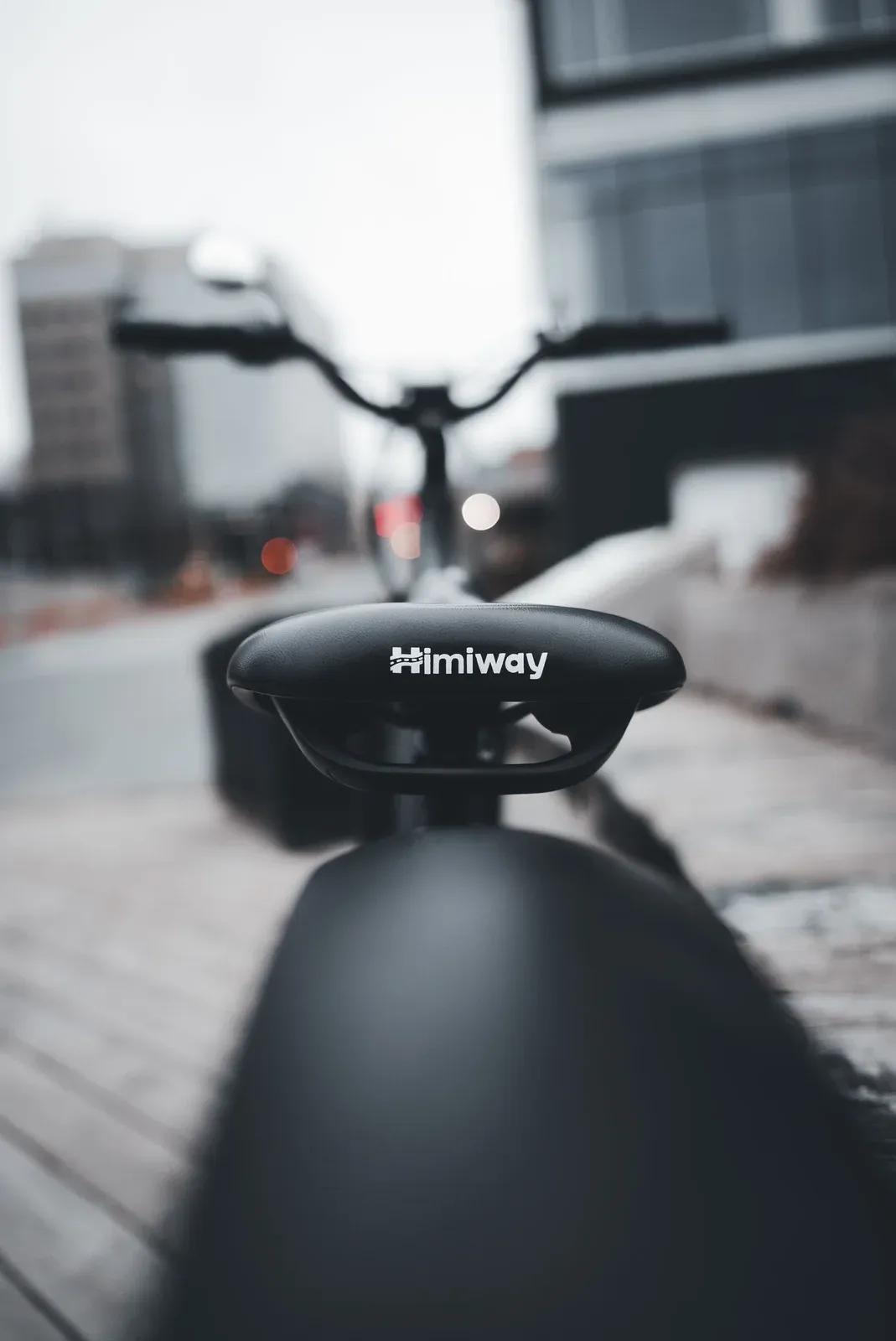
A bike seat rain cover helps most when it is fitted to the saddle and used while the bicycle is parked. Choose the cover by the saddle’s shape and the maker’s size guidance, then check its closure, seams, storage, and contact points. Remove it before riding unless the cover maker explicitly documents riding use. A cover can keep rain off a saddle, but it does not make every saddle waterproof, prevent all moisture, or replace a rain jacket, fenders, or a dry cargo bag.
The right choice depends on the saddle and the parking problem. A leather saddle may need a maker-specific cover and care routine, while a synthetic commuter saddle may need a different shape, elastic edge, or attachment. Measure and identify the saddle first, then compare the exact cover instructions. Do not choose by a generic “one size” label alone.
Product examples and selection method
These examples represent two saddle-cover listings with different maker and fit boundaries. Selection is based on current Amazon listing and manufacturer-spec research, not hands-on waterproof, fit, or durability testing. Identify the exact saddle, check the cover’s size or model chart, and remove the cover before riding unless its maker explicitly permits riding use.
Leather-saddle cover example
Brooks England Bike Saddle Rain Cover, Bike Saddle Waterproof Protection, Black, Medium
A model-specific cover example to evaluate after identifying the saddle and following Brooks care guidance.
A saddle-cover listing example for a parked leather saddle care plan.
Best for: A compatible Brooks saddle that is parked and needs the listing's model-specific rain protection
Key specifications: Parked-use cover; S/M/L and XL compatibility details stated in listing; model BRCM000A18102
Trade-off: The named saddle families and size labels do not prove fit for a different saddle shape or riding use.
Check price on AmazonSaddle-family cover example
Selle SMP Saddle RAIN Cover Black, Standard
A saddle-family example to evaluate only after the exact SMP model is checked.
A model-level cover example for comparing a saddle-family fit boundary with a Brooks cover.
Best for: A compatible Selle SMP saddle covered while parked
Key specifications: Waterproof and easy-to-install claims stated in listing; fits listed SMP models except Martin and E-Bike; standard size
Trade-off: Saddle shape and the listing's exclusions still need confirmation before purchase or use.
Check price on AmazonWhat a seat rain cover does
When a bicycle is left outside, a cover can reduce direct rain and keep the saddle surface cleaner. It can also make the first few minutes of a ride more comfortable by preventing a wet saddle from soaking clothing. The benefit is practical rather than absolute: water can enter at the opening, run under the edge, collect against the saddle rails, or arrive from wind-driven spray.
A cover is not a repair for a torn saddle, loose cover material, exposed foam, or a seatpost that lets water into the frame. It does not protect the bicycle’s drivetrain, brakes, lights, bags, or electronics. The bike commute in rain guide covers the bicycle, clothing, visibility, and post-ride drying decisions that remain necessary.
Use the cover while parked, and follow the care instructions when the cover or saddle is wet. Do not seal a wet saddle in a cover for long storage unless the maker says the material can be stored that way. Trapped moisture can create a different problem from a wet ride.
Match the cover to the saddle
Identify the saddle material
Start with the saddle maker and model if you know them. Leather, synthetic leather, rubberized surfaces, textile covers, foam, and gel inserts can have different cleaning and storage instructions. A cleaning spray that is suitable for one cover may stain or dry another. The bike saddle height guide explains why saddle identification matters for setup, but height adjustment does not decide cover compatibility.
Brooks England describes its Rain Cover as designed for a parked leather saddle and gives separate compatibility guidance for S, M, L, and XL saddle sizes. It also warns that riding a wet leather saddle can deform it. Treat that as a maker-specific instruction for the saddles it covers, not as a rule for every leather or synthetic saddle.
Check the shape and contact points
Compare the cover’s length, width, depth, nose shape, rear flare, and edge opening with the saddle. Look at rails, springs, a rear light mount, a saddle bag, and any suspension hardware. The cover must not catch in the wheel or rub a brake, and it should not pull a light or bag out of position.
Planet Bike’s Waterproof Bike Seat Cover is a useful model-specific example. Its product page, retrieved September 2, 2026, describes coated nylon, an elastic drawstring, a reflective strap, storage under the saddle, and a one-size fit for sport and recreation saddles up to approximately 11 by 7 inches. Those dimensions and features apply to that product’s stated use. They do not establish a universal saddle size, waterproof rating, or fit guarantee.
Decide whether a universal cover is acceptable
A universal cover can be convenient for a common sport or commuter shape. It is less suitable when the saddle has a broad touring profile, springs, a pronounced rear, an unusual nose, or a mounted bag that occupies the same space. A loose cover can flap, collect water, or fall away, while an overly tight cover can stress the elastic and leave areas exposed.
If the maker offers several sizes or model-specific covers, use that chart. If it does not, compare the actual saddle with the published dimensions and leave room for the closure to sit below the widest section without touching moving parts.
Compare cover materials carefully
Coated nylon and similar fabrics
Coated fabric can form a water barrier while remaining light and foldable. Inspect the coating, seams, drawstring, and storage strap. A worn coating, a split seam, or a closure that no longer gathers the edge changes the cover’s performance. Do not infer a laboratory waterproof rating from the word “waterproof” in a product name.
Elastic or stretch fabric
Stretch fabric can fit a range of shapes and pack small. Its result depends on how far it stretches, whether the underside is protected, and whether it stays below the saddle edge. Check for openings where water can enter. Replace it when the elastic no longer holds or the fabric is torn.
Leather-specific covers
Some leather saddles need a cover that protects the top without trapping moisture. Follow the saddle maker’s cleaner, conditioner, drying, and storage guidance. Do not apply conditioner to a synthetic saddle because another maker recommends it for leather. Never use a wet leather saddle as a reason to ride through a route that is outside your control.
How to use a bike seat rain cover
- Park the bicycle where the saddle is not exposed to avoidable splash, falling debris, or contact with pedestrians.
- Remove loose dirt from the cover and saddle so grit does not rub the surface.
- Fit the cover from the nose toward the rear and keep the opening or elastic below the saddle’s widest point when the maker’s design calls for that position.
- Secure the drawstring, elastic, hook, strap, or closure without crushing the saddle or blocking a light, bag, or rack.
- Check that the cover cannot reach the tire, spokes, chain, belt, disc rotor, or brake surface.
- Before riding, remove the cover and store it where it will not touch a hot brake, sharp tool, wet chain, or electronic contact.
- Let the cover dry according to its instructions, then inspect its seams and closure before the next use.
Do not ride with a cover flapping around the saddle unless the maker explicitly says it is intended for riding and gives a secure attachment method. A cover can enter the rear wheel or obscure a light even when it seemed stable at walking speed.
The front versus rear basket guide covers cargo and light-clearance checks around the saddle and rack area. The pannier size guide covers enclosed cargo when the seat cover is only one part of a wet-weather setup. Keep the cover separate from a bag’s waterproof claim.
When a seat cover will not solve the problem
A cover is the wrong tool when:
- the saddle has a crack, torn surface, exposed foam, or a loose rail;
- the saddle is wet inside or has been stored damp for an extended period;
- the cover cannot stay clear of the wheel, brake, drivetrain, light, or rack;
- the bicycle is being transported and the cover can move in the wind;
- the seatpost, frame opening, bag, or rack needs its own water-management check;
- the rider needs protection while moving rather than while parked.
Inspect the bicycle after strong wind or heavy rain. Dry the saddle and cover as the makers direct. If water continues to reach the saddle through a damaged cover or saddle, replace the damaged item or ask the maker for a suitable repair and care method.
The commuter bike setup guide places a saddle cover alongside lights, fenders, racks, and the daily inspection. The bike saddle fore-aft position guide covers fit and rail position, not a cover’s weather performance. Keep those decisions separate.
Is a bike seat rain cover worth it?
It can be worthwhile for a bicycle that is regularly parked in rain and has a saddle whose maker permits the proposed cover. It is less useful when the bicycle is stored indoors, the saddle is already protected, or the cover cannot be kept fitted and dry. A low-cost-looking cover is still a poor choice if the shape, closure, and care instructions do not match the saddle.
For a commute, plan the complete sequence: protect the parked saddle, remove and store the cover before riding, keep the rider and cargo dry with appropriate equipment, and inspect the bicycle after wet use. The commuter gearing guide covers stop and hill control, which a saddle cover cannot improve.
Bottom line
Choose a bike seat rain cover by the actual saddle shape, material, closure, and maker instructions. Use it while parked, keep it clear of moving and braking parts, remove it before riding unless the product is explicitly designed for riding, and dry both cover and saddle properly. Planet Bike and Brooks England illustrate why model-specific dimensions and material guidance matter; neither establishes a universal fit or protection guarantee.
Sources
- Planet Bike, “Waterproof Bike Seat Cover,” https://www.planetbike.com/waterproof-bike-seat-cover/ (retrieved September 2, 2026). Gives product-specific material, closure, storage, reflective-strap, and approximate saddle-size information.
- Brooks England, “Rain Cover,” https://www.brooksengland.com/en-us/products/accessories-rain-cover-black-BRCL000A010 (retrieved September 2, 2026). Gives leather-saddle use, model-size compatibility, and parked-use care guidance.
- REI, “Biking in the Rain,” https://www.rei.com/learn/expert-advice/biking-in-the-rain.html (retrieved September 2, 2026). Covers rain preparation, fenders, clothing, visibility, and drying and cleaning after a wet ride.
- Cycling UK, “A beginners’ guide to cycling in the rain,” https://www.cyclinguk.org/article/beginners-guide-cycling-rain (retrieved September 2, 2026). Covers rain clothing, dry bags, route adaptation, and avoiding unseen hazards.
- League of American Bicyclists, “Commuting,” https://bikeleague.org/ridesmart/commuting/ (retrieved September 2, 2026). Covers practical commuting equipment, visibility, and adapting to wet road conditions.