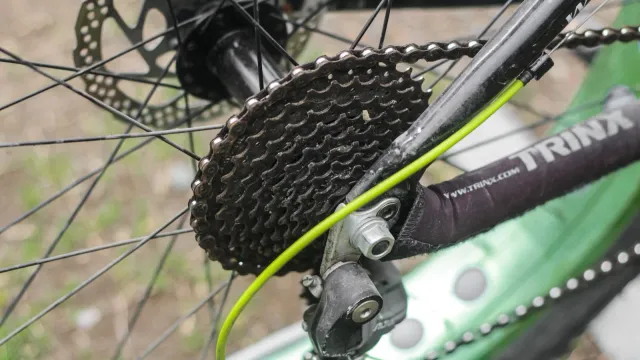
Commuter Bike Gearing: Hills, Stops, and Maintenance
Set commuter bike gearing for hills, starts, stops, and flat roads by shifting early, easing pedal pressure, and following the drivetrain maker's limits.


15 posts with this tag
Set commuter bike gearing for hills, starts, stops, and flat roads by shifting early, easing pedal pressure, and following the drivetrain maker's limits.

Choose a bike seat rain cover by saddle shape, material, retention, and storage. Learn when a cover helps and when to remove it before riding.
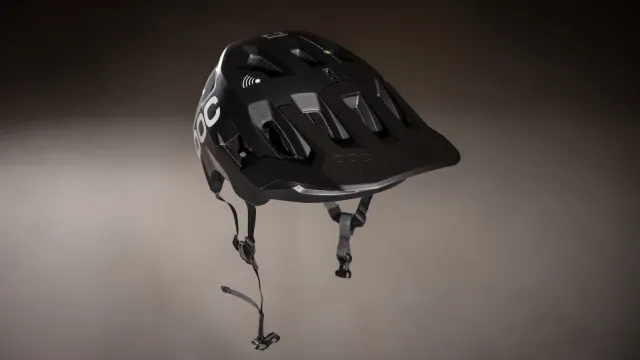
Secure a bike helmet when parked by carrying it or using a maker-approved secondary cable without relying on it as the main bicycle lock.
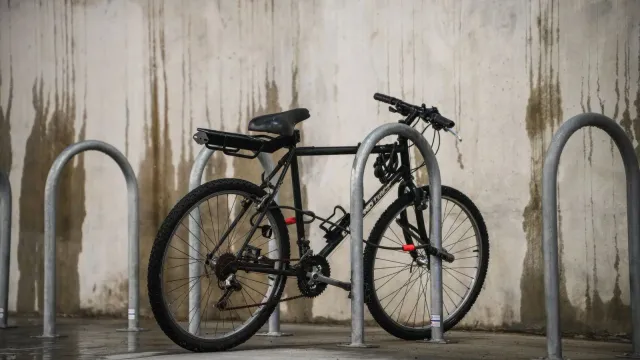
Build an all-season bike commute emergency kit around your bicycle, route, repair skills, communication needs, weather plan, and personal essentials.
Use this beginner bike commuting safety checklist to prepare the bicycle, helmet, lights, route, cargo, traffic plan, weather response, and backup option.
There is no universal bike commute distance limit. Judge a route by time, effort, traffic, terrain, recovery, weather, work demands, and your backup options.
Bike commute in rain with fenders, visible lights, breathable layers, controlled braking, a route plan, and a quick clean-and-lube routine after the ride.
Reduce sweat on a bike commute with a manageable pace, breathable layers, a practical cargo setup, route timing, and a plan for heat and changing clothes.
Carry a laptop by bike with a fitted sleeve, stable bag, dry inner layer, and packing that keeps it away from impacts and water.
Choose a bike pannier size by listing your real load, checking rack and heel clearance, separating volume from payload, and planning for weather and security.
Compare front and rear bike baskets by access, steering, rack fit, capacity, visibility, cargo security, and the maker limits for your bicycle.
Choose between a backpack and bike panniers by comparing body load, sweat, rack fit, walking, weather, security, and the gear your commute actually needs.