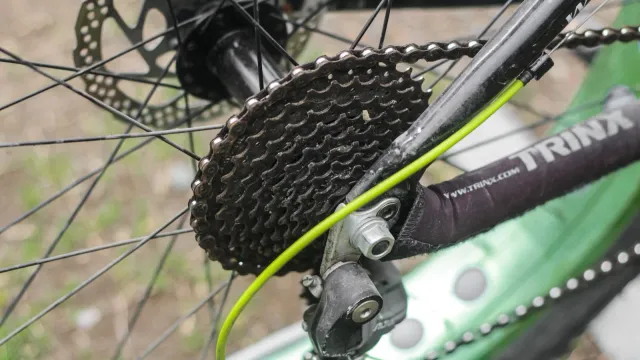
Commuter Bike Gearing: Hills, Stops, and Maintenance
Set commuter bike gearing for hills, starts, stops, and flat roads by shifting early, easing pedal pressure, and following the drivetrain maker's limits.


25 posts with this tag
Set commuter bike gearing for hills, starts, stops, and flat roads by shifting early, easing pedal pressure, and following the drivetrain maker's limits.
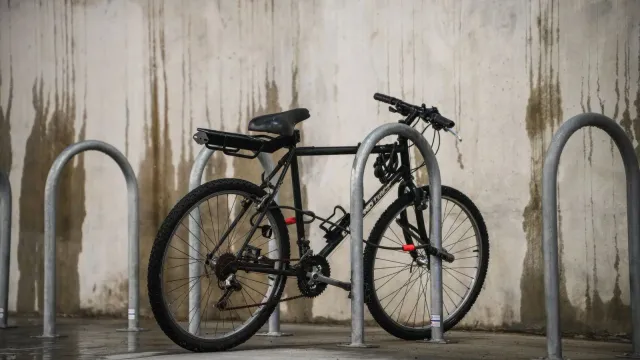
Transport a bike inside a car by checking vehicle and bike fit, protecting the interior and brakes, securing the load, and inspecting it before driving.
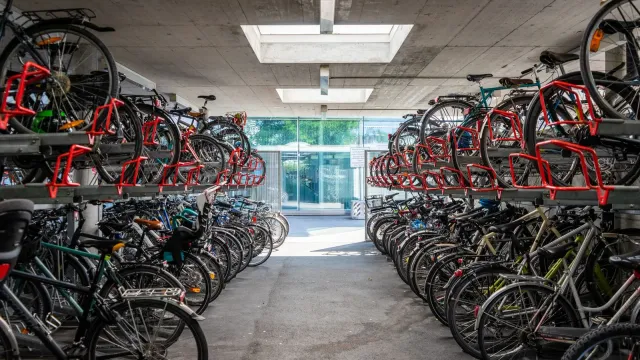
You can often store a bike vertically with hydraulic brakes, but check the exact brake manual, rack, air symptoms, leaks, and post-storage brake operation.
Bike commute in rain with fenders, visible lights, breathable layers, controlled braking, a route plan, and a quick clean-and-lube routine after the ride.
Dry wet cycling shoes overnight with gentle cleaning, ventilation, absorbent paper, and maker-approved care while avoiding high heat, solvents, and direct sun.

Prevent a bike lock from freezing by keeping the mechanism clean and dry, using the maker-approved lubricant, and avoiding force, water, and unsafe heat.
Build a dependable commuter bike setup with fit, tires, brakes, lights, cargo, security, comfort, and a practical pre-ride inspection.
Understand bicycle wheel dish, how to check rim centering with a dishing tool, symptoms of an offset wheel, and when to stop for service.
Compare thru axles and quick releases by fit, retention, installation, brake alignment, and practical ride differences without guessing compatibility.
A broken bike spoke is a wheel fault. Learn when to stop, what to inspect, how to secure a loose spoke, and when a mechanic should repair it.
Learn what bike spoke tension means, how to measure it with a tensiometer, and when uneven, loose, or excessive tension needs a wheel builder.
Learn how to inspect and true a bicycle wheel for lateral and radial movement, with spoke, rim, dish, and stop-service checks.