
How to Bed In Bike Disc Brakes
Bed in new bike disc brake pads and rotors with the exact maker procedure, a controlled route, gradual checks, and clear stop conditions.


Page 2 of 2 - 22 posts with this tag
Bed in new bike disc brake pads and rotors with the exact maker procedure, a controlled route, gradual checks, and clear stop conditions.
Learn when a bent bike brake rotor can be assessed, when replacement is safer, and which wheel, caliper, and rotor checks come first.
Find the cause of a rubbing bike disc brake, check wheel seating and rotor alignment, and choose a safe adjustment or repair without guessing.
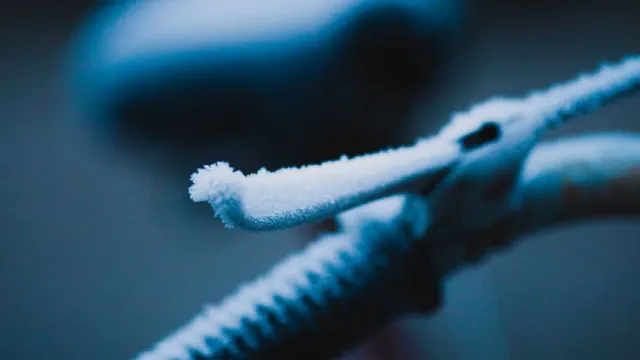
Set up winter bike fenders by matching tire width, mounts, stays, brakes, coverage, and maker-specified clearance before riding in wet or salty weather.
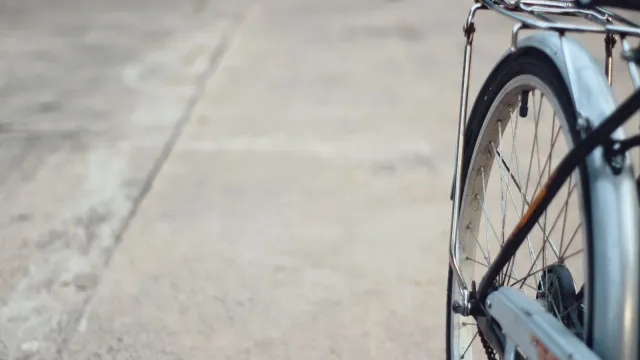
Replace a bike tire when casing threads or protection layers show, it bulges, the bead is damaged, cuts reach the casing, or grip and wear indicators are exhausted.
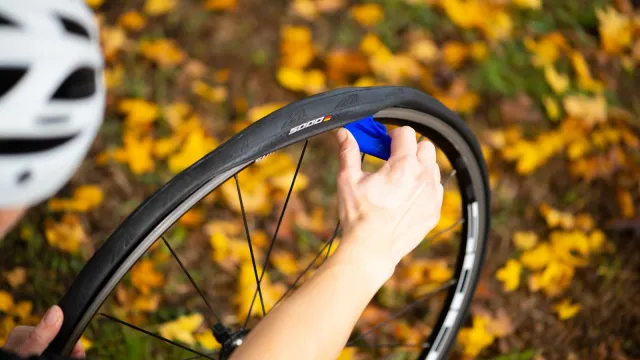
Stan's Original is our all-around tubeless sealant pick, Orange Seal Endurance favors longer intervals, and Muc-Off adds UV puncture detection.
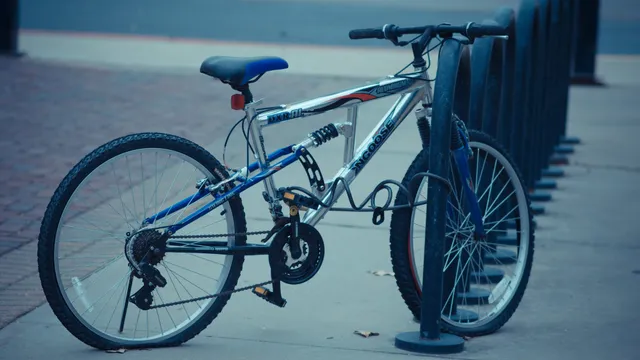
If your bike tire keeps popping, map the old tube's hole to the tire and rim. Use the puncture pattern to find debris, rim tape, pressure, or fit problems.
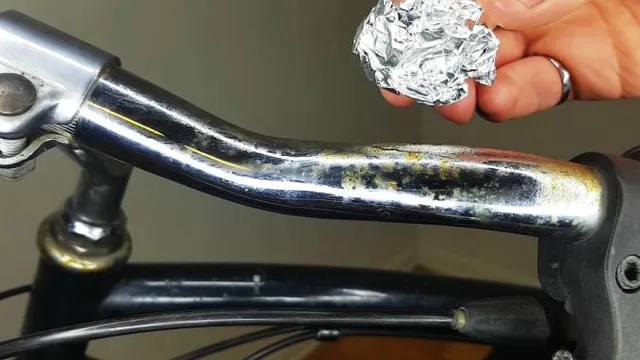
Remove light rust from sound steel bars with a maker-approved cleaner and soft cloth. Replace any bar with pitting, cracks, deep corrosion, or clamp damage.

Troubleshoot a failed dynamo light by checking the lamp switch, connectors, visible wire damage, grounding, and wheel-generator contact before seeking service.
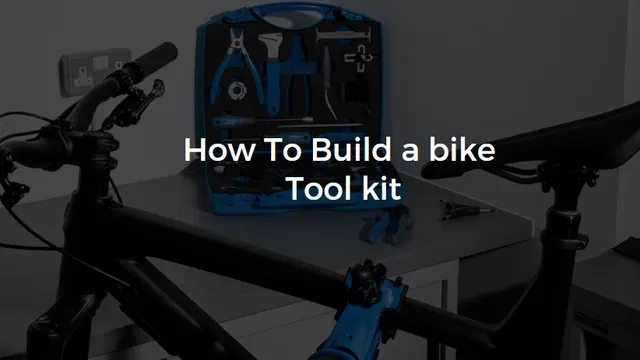
Build a bike tool kit in layers: roadside flat-repair tools first, then add home hex, torque, chain, cable, cassette, and model-specific tools safely.