BMX Bike Size Guide: Wheel Size and Top Tube Fit
Choose BMX wheel size first, then compare effective top-tube length. Use current maker charts as starting ranges and confirm standover, reach, and control.
Choose a BMX wheel size that matches the rider’s overall size, then use effective top-tube length to fine-tune reach and handling. Most teen and adult freestyle BMX bikes use 20-inch wheels, but their top tubes commonly range from about 19.5 to more than 21 inches. Smaller riders may need 12-, 14-, 16-, or 18-inch wheels rather than a very short 20-inch bike.
Manufacturer charts are starting points. Body proportions, skill, riding style, bar position, and personal preference can move a rider between adjacent sizes.
Quick BMX size chart
The overlap below summarizes current Source BMX and Kink guidance. It is not a universal standard.
| Rider height | Common wheel starting point | Common 20-inch top-tube range when applicable |
|---|---|---|
| Under 3 ft 4 in | 12 or 14 in | Not usually a 20-inch-bike fit |
| 3 ft 4 in to 4 ft 6 in | 16 or 18 in | Not usually a standard 20-inch-bike fit |
| 4 ft 6 in to 5 ft 1 in | 18 or 20 in | About 18 to 20 in |
| 4 ft 10 in to 5 ft 4 in | 20 in | About 19.75 to 20.25 in |
| 5 ft 2 in to 5 ft 8 in | 20 in | About 20 to 20.5 in |
| 5 ft 6 in to 6 ft | 20 in | About 20.25 to 21 in |
| 6 ft and taller | 20 in | About 20.75 to 21.5 in |
Ranges overlap because fit is not determined by height alone. When a rider falls near a boundary, test both sizes in the intended riding position.
Wheel size and frame size solve different problems
Wheel diameter changes the overall scale of the bike, rollover behavior, stand height, and component proportions. Top-tube length changes how much room the rider has between the saddle area and handlebar.
For children, shrinking only the top tube on a 20-inch bike may leave the wheels, cranks, bars, and stand height too large. A proportionally designed 16- or 18-inch BMX can be easier to control.
For most teen and adult freestyle riders, 20-inch wheels are standard. The important comparison then becomes effective top-tube length, bar position, rear-center length, crank length, and stand height.
How top-tube length changes the ride
A shorter top tube generally creates a more compact cockpit and can feel easier to move under a smaller rider. Too short can crowd the knees, force an uncomfortable position, or make the bike feel unstable.
A longer top tube gives a taller rider more room and can feel steadier. Too long can make the bars hard to reach, reduce front-end control, and force an overextended position.
Do not choose solely by a preference for “responsive” or “stable.” The rider must first be able to stand, pedal, steer, brake, and shift body weight without interference.
Current manufacturer guidance
Source BMX’s current buyer guide explains that 20-inch wheels are standard for BMX while top-tube length fine-tunes fit. Its chart spans smaller wheel sizes for short riders and overlapping 20-inch top-tube ranges for taller riders.
Kink’s BMX sizing guide gives 20-inch top-tube ranges from roughly 19.75 to 20.25 inches for riders around 4 feet 10 inches to 5 feet 3 inches, rising to about 20.75 to 21.5 inches for riders around 6 feet and taller. Kink calls the chart a general guide and recommends fine-tuning for preference.
That agreement supports height-based starting ranges. It does not make one brand’s geometry transferable to every other bike.
A five-step fit check
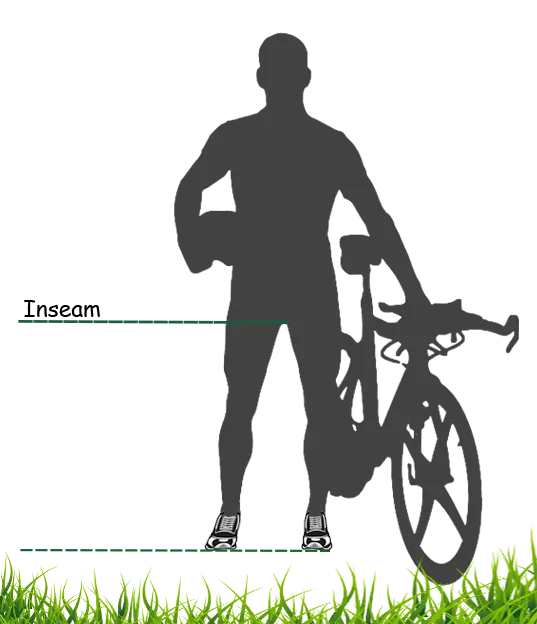
1. Start with bare-foot height and riding-shoe inseam
Measure height against a wall. Measure inseam in the shoes normally used for riding, following a consistent method. Recheck growing riders regularly.
2. Choose the proportional wheel platform
Use the maker’s model-specific height guidance. Do not move a small child onto 20-inch wheels only because the bike is labeled BMX.
3. Compare effective top-tube length
Confirm whether the published number is effective or actual top-tube length. Compare bikes using the same definition. Treat adjacent ranges as candidates when the rider is near a chart boundary.
4. Check the real riding position
With the bike supported and a qualified adult or mechanic present, check that the rider can:
- stand over the frame as the maker intends;
- reach the grips without locked elbows or an extreme bend;
- turn the bars without knee or cable interference;
- reach and operate the brake lever;
- keep feet secure on the pedals;
- move forward and rearward for controlled balance.
Kink’s guide suggests roughly 1 to 2 inches of crotch clearance over the top tube as a general check. Frame shapes vary, so follow the exact bike maker’s fit and stand-height guidance.
5. Test on level ground
Use a helmet and a traffic-free area. Begin with straight-line riding, braking, turns, standing, and controlled stops. Do not use jumps, ramps, grinds, or hard impacts as a fit test.
Freestyle, race, and BMX-style kids’ bikes
If the rider’s goal is shaped jump lines rather than BMX street or park, compare the fit and equipment of a dedicated dirt jumper first.
Freestyle BMX geometry and race BMX geometry serve different riding positions and handling goals. A neighborhood kids’ bike with BMX graphics may use different wheels, brakes, cranks, axles, and intended-use limits from a freestyle bike.
Choose the category before the size. Our BMX versus mountain bike guide separates two common bike types, while the beginner BMX shortlist compares current entry-level choices by fit evidence and intended use.
Pegs also require exact axle, dropout, thread-engagement, and intended-use compatibility. Read the BMX peg installation guide before adding them to a fitted bike.
The bike-peg purpose guide explains why fit alone does not approve a peg system or passenger use.Growing room without oversizing
Buying a bike that is difficult to start, steer, or stop is not useful growing room. A rider needs control now. Use the maker’s adjustment range for bar position and seat height, and replace the bike when the rider moves beyond its fit or load limits.
Do not rotate bars or stems beyond approved positions to compensate for the wrong frame length. Do not exceed insertion marks or install unapproved parts to stretch a small bike.
Frequently asked questions
What BMX top-tube length suits a 5-foot-8-inch rider?
Current charts commonly place that rider around a 20.25- to 20.75-inch top tube, with overlap on both sides. Body proportions, riding style, and the exact geometry can change the best fit.
Can an adult ride a 20-inch BMX?
Yes, when the frame, top tube, bar position, component limits, and intended use fit the adult. Twenty inches describes the wheel, not one fixed frame size.
Should a child get a 20-inch BMX to grow into?
Only if the exact maker’s range includes the child’s current size and the child can safely control it. A 16- or 18-inch BMX may be the better proportional platform.
Bottom line
Use height to choose the wheel-size neighborhood, then use top-tube length and an in-person control check to select the frame. Compare the exact model’s chart, intended use, stand height, reach, and component limits. When two sizes overlap, choose the bike the rider can control confidently today.
Fit does not establish accessory compatibility. Use the bike peg compatibility guide to match the hub, axle, dropout, and intended load.