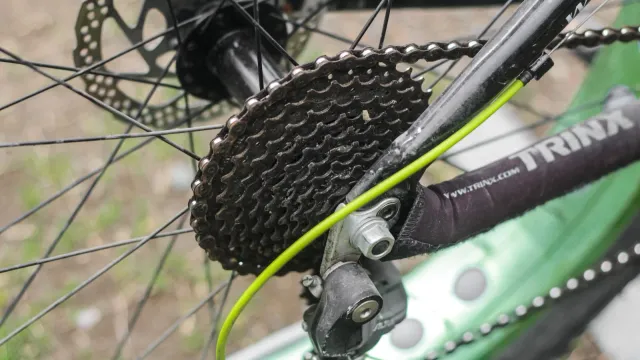
How to Tell if a Bike Cassette Is Worn
Check a bike cassette for hooked teeth, skipping, uneven wear, and loose parts, then separate cassette wear from chain, freehub, and indexing faults.

11 posts with this tag
Check a bike cassette for hooked teeth, skipping, uneven wear, and loose parts, then separate cassette wear from chain, freehub, and indexing faults.

Find the cause of a rubbing bike disc brake, check wheel seating and rotor alignment, and choose a safe adjustment or repair without guessing.
Worn chainring symptoms include tooth deformation, chain suck, skipping, and poor meshing. Inspect the chain and cassette before deciding what to replace.
Replace bike disc brake pads by identifying the exact brake, fitting approved pads and retainers, protecting the rotor, and bedding in the system safely.
Replace a bike chain safely by identifying the drivetrain, sizing from the exact manual, using the approved connector, and checking every gear before riding.
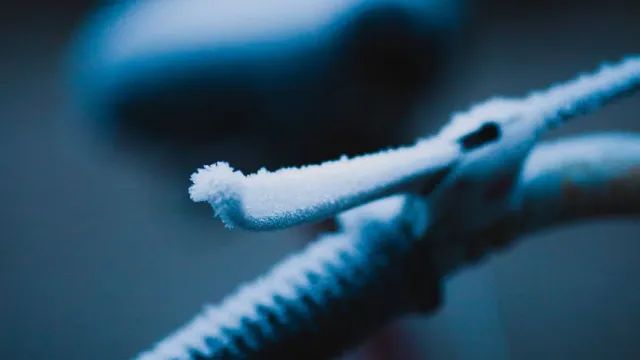
Prevent frozen bike cables and controls with dry storage, correct housing care, gentle thawing, and a clear stop-and-repair check when a control stays stiff.
Chain skipping under hard pedaling usually points to worn or misadjusted drivetrain parts, but a loose cassette, stiff link, or slipping freehub can feel similar.
Confirm pressure loss with a gauge, then isolate the tire, valve, tube, bead, tape, or rim leak using the correct tube or tubeless diagnostic branch.
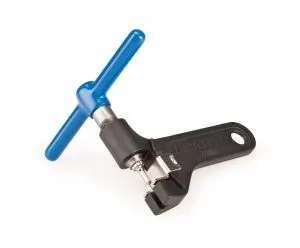
Size a bike chain with the method specified for your drivetrain. Learn the large-to-large and single-speed methods, then verify suspension movement and shifting.
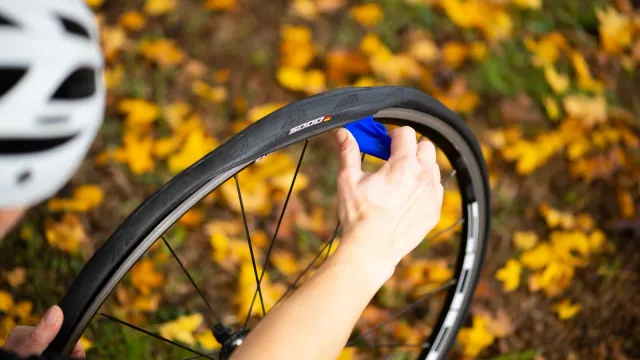
Find the puncture, remove its cause, prepare the inner tube, apply the correct patch, and reinstall it without pinching. Tubeless tires use a different repair.
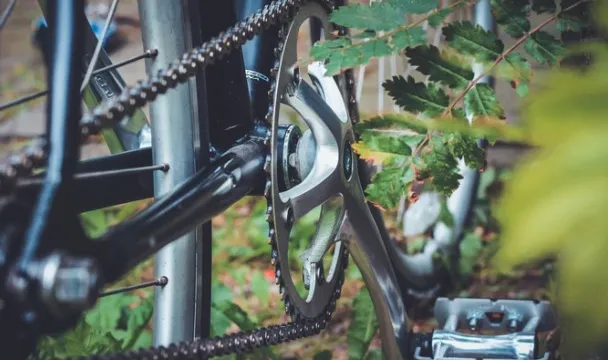
Remove a stuck bike pedal by confirming thread direction, using the correct tool with full engagement, supporting the crank, and applying controlled leverage.