
Bike Brake Lever Pulls to the Handlebar: Causes and Fixes
Find why a bike brake lever pulls to the handlebar, run safe wheel and pad checks, and know when a leak or cable fault means stop riding.


Page 2 of 3 - 29 posts with this tag
Find why a bike brake lever pulls to the handlebar, run safe wheel and pad checks, and know when a leak or cable fault means stop riding.
Find why bike disc brakes squeal, check contamination and alignment safely, and know when noise means stop riding or replace a part.
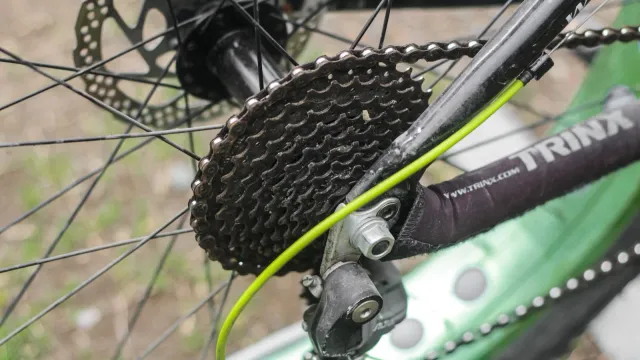
A bike chain can break from a damaged link, wrong connector, worn drivetrain, poor chainline, overload, or derailleur fault. Find the failure before riding.
A bike chain can fall off from derailleur limits, poor indexing, chainline, worn teeth, wrong length, or a stiff link. Diagnose where and when it drops.
Learn what bicycle chainline means, how to inspect and measure it, which symptoms it can cause, and how to correct it within maker limits.
Learn when a bent bike brake rotor can be assessed, when replacement is safer, and which wheel, caliper, and rotor checks come first.
Check a bike cassette for hooked teeth, skipping, uneven wear, and loose parts, then separate cassette wear from chain, freehub, and indexing faults.
Find the cause of a rubbing bike disc brake, check wheel seating and rotor alignment, and choose a safe adjustment or repair without guessing.
Worn chainring symptoms include tooth deformation, chain suck, skipping, and poor meshing. Inspect the chain and cassette before deciding what to replace.
Replace bike disc brake pads by identifying the exact brake, fitting approved pads and retainers, protecting the rotor, and bedding in the system safely.
Replace a bike chain safely by identifying the drivetrain, sizing from the exact manual, using the approved connector, and checking every gear before riding.
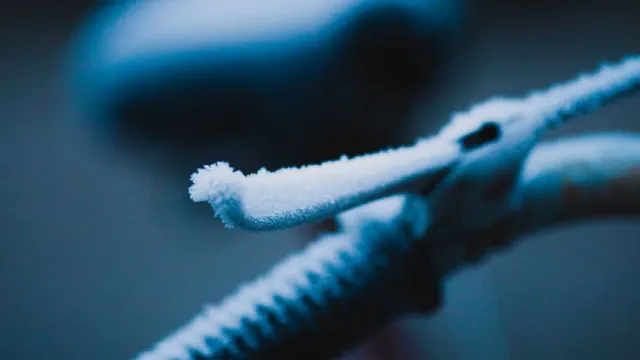
Prevent frozen bike cables and controls with dry storage, correct housing care, gentle thawing, and a clear stop-and-repair check when a control stays stiff.