Fixed Gear vs. Single-Speed Bikes: Differences That Matter
A single-speed freewheel lets you coast. A fixed gear keeps the pedals turning whenever the rear wheel moves, which changes control, safety, and learning.

Table of Contents
- Fixed gear vs. single speed at a glance
- What is a fixed-gear bike?
- What is a single-speed bike?
- Which is safer for a beginner?
- Which is better for commuting?
- Does fixed gear require less maintenance?
- What is a flip-flop hub?
- Can a cassette conversion kit make a fixed gear?
- Which feels faster?
- How we compared
- Bottom line
Choose a coasting single speed for simple everyday riding, familiar braking, and an easier learning curve. Choose a fixed gear only if you specifically want its direct pedal-to-wheel connection and are prepared to keep pedaling whenever the bike moves.
Both use one gear ratio. The difference is the rear mechanism: a single-speed freewheel coasts, while a fixed cog drives the cranks whenever the rear wheel turns.
Fixed gear vs. single speed at a glance
| Difference | Fixed gear | Coasting single speed |
|---|---|---|
| Can coast | No | Yes |
| Pedals while moving | Always turn | Can remain still |
| Learning curve | Higher | Familiar to most riders |
| Descending | Rider must keep legs moving | Rider can rest and level the pedals |
| Pedal strike risk | Requires active pedal awareness | Rider can position pedals |
| Rear mechanism | Fixed cog and lockring | Freewheel or single cog on a freehub |
| Best for | Track use and riders seeking direct control | Commuting, casual riding, simple transport |
What is a fixed-gear bike?
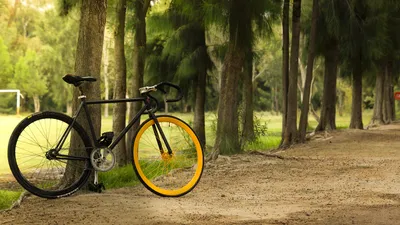
A fixed-gear bicycle has no freewheel. When the rear wheel turns, the cranks and pedals turn with it. Sheldon Brown’s fixed-gear reference describes it as a single-speed bicycle that cannot coast.
That connection lets an experienced rider feel changes in traction and control speed through pedal pressure. It also means the rider cannot stop pedaling on a descent, casually lift the inside pedal through every corner, or coast over rough pavement.
A fixed cog belongs on a proper fixed-gear hub with the correct reverse-threaded lockring. Do not install one on an ordinary freewheel thread or rely on thread-locking compound in place of the lockring.
What is a single-speed bike?
In common shopping language, a single-speed bike has one gear ratio and a freewheel mechanism. The bike continues rolling when the rider stops pedaling.
That makes a coasting single speed behave more like a familiar geared bicycle, minus the ability to shift. It still needs a ratio suited to the route. One gear that feels quick on level pavement can be punishing on steep hills.
Our single-speed gear ratio guide explains how chainring, rear-cog, and wheel size change the effort.
If fitness is part of the decision, bike type alone does not settle energy use. Our single-speed calorie comparison separates the effect of gearing from effort, terrain, and ride time.
After choosing the hub and gearing, use the frame and drivetrain maker’s method to size the single-speed or fixed-gear chain.
Which is safer for a beginner?
A coasting single speed is the more forgiving starting point for most riders. It allows the rider to level the pedals over bumps, stop pedaling through a corner, and rest the legs on a descent.
Fixed-gear riding requires a new reflex: the pedals will continue to drive the legs. Trying to coast can unweight a foot or disrupt control. Start in a traffic-free area, use secure footwear, and keep speeds low while learning.
Both bikes need functioning brakes appropriate to the bicycle and applicable law. Resisting the pedals is not a substitute for a reliable independent braking system. Check local equipment rules before using either bike on public roads.
Stop riding if a brake, crank, pedal, chain, cog, lockring, axle, wheel, frame, fork, handlebar, or stem may be loose or damaged.
Which is better for commuting?
The coasting single speed fits more commuters. It handles normal starts and stops without forcing the rider’s legs to match wheel speed and makes descending less demanding.
A fixed gear can work on a flat, predictable route for an experienced rider. It becomes less practical when the trip includes steep descents, rough surfaces, frequent emergency stops, or conditions that demand flexible pedal position.
Neither is ideal for a route with long or steep climbs unless the chosen ratio and rider are well matched. A geared city or hybrid bike may be the safer, more comfortable answer.
Does fixed gear require less maintenance?
Both systems remove derailleurs and shifters. Each still needs:
- correct chainline and chain tension;
- chain cleaning and lubrication;
- cog, chainring, and chain-wear inspection;
- secure axle hardware;
- brake, tire, wheel, and bearing maintenance.
A freewheel contains a ratchet mechanism. A fixed setup replaces that with a fixed cog and lockring, but the lockring and threads become safety-critical. Simplicity reduces part count; it does not eliminate inspection.
Our guide to cleaning a bike chain explains why a bicycle-specific method is safer than unverified household chemicals.
What is a flip-flop hub?
A flip-flop hub is threaded or otherwise configured on both sides. A common arrangement puts a fixed cog and lockring on one side and a single-speed freewheel on the other. Removing and reversing the rear wheel changes the mode.
Compatibility is not automatic. The hub needs the correct threading, axle spacing, chainline, cog or freewheel, and retention hardware. Brake alignment and tire direction must remain correct after the wheel is reversed.
The fixed-gear conversion guide details the hub and dropout checks that come before installation.
Can a cassette conversion kit make a fixed gear?
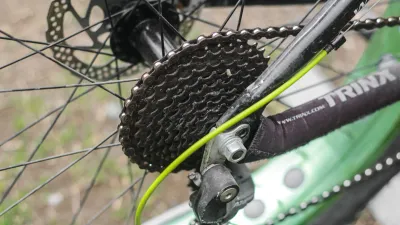
No. A spacer-and-cog kit on a conventional cassette freehub creates a coasting single speed because the freehub still ratchets. The word “fixie” in a marketplace title does not change the mechanism.
Our single-speed conversion kit comparison keeps that distinction visible for buyers.
Which feels faster?
The gear ratio, wheel size, cadence, tires, position, terrain, and rider output determine speed. Fixed drive can feel immediate because there is no coasting, but it does not create free power.
Choose a sustainable ratio rather than the hardest one you can start. A ratio that forces a slow cadence on every climb can reduce control and aggravate pain.
How we compared
This is a research-based drivetrain comparison without new side-by-side ride testing. We compared the mechanical definitions, coasting behavior, braking, learning demands, maintenance, conversion requirements, and common urban use. Priority Bicycles’ current single-speed and fixed-gear guide also identifies coasting as the key distinction.
Exact hardware and legal requirements vary. Follow the bicycle and hub manuals and check current rules where you ride.
Bottom line
A coasting single speed is the practical choice for most riders who want one gear and low drivetrain complexity. A fixed gear is a deliberate riding style, not just another name for a single speed. Choose it only after understanding that the pedals never stop while the bike moves and that proper cog, lockring, brakes, fit, and technique are essential.
Both drivetrains need periodic pitch-wear checks. Our bike chain wear measurement guide explains compatible gauges, ruler measurement, and manufacturer-specific limits.
When the chain and gearing are correct, set single-speed tension at the drivetrain’s tightest point and preserve wheel alignment.