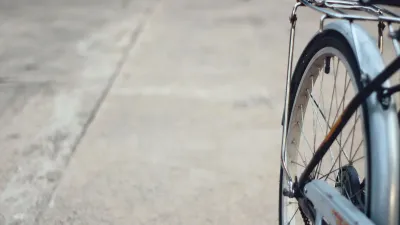
Bike Fenders vs. Mudguards: Names, Coverage, and Fit
Bike fenders and mudguards are the same broad accessory. Compare coverage, mounts, tire clearance, weather protection, and fit before choosing a setup.

Table of Contents
Bike fenders and mudguards are two common names for wheel guards. The useful choice is not the name. It is whether the specific model gives enough splash coverage, fits your tire and frame, clears the wheel and brakes, and stays secure when the road is wet, dirty, or salty. Full-length models usually protect more of the rider and bicycle, while clip-on or short models can suit bikes with limited mounts, but every model must follow its own fit instructions.
Planet Bike’s fender guidance, retrieved September 2, 2026, starts with tire-width compatibility, supplied hardware, clearance, and a final inspection. That is the right decision order for any brand. Schwalbe also notes that a tire’s measured width depends on the rim, pressure, load, and casing, so a size printed on a sidewall is not a complete fit check (Bicycle Tire Dimensions, retrieved September 2, 2026).
Quick answer
- “Fender” and “mudguard” generally describe the same type of bicycle accessory. This article uses both terms for clarity.
- Choose full coverage when your bike, tire, brakes, frame, and mounting points accept it. Choose a shorter or clip-on design only when its maker documents the fit and coverage you need.
- Do not use a fender that rubs, moves toward a tire, touches a brake part, blocks a light, or needs an improvised safety-critical mount.
- There is no universal clearance number. The exact fender, tire, wheel, and bicycle instructions control.
Are fenders and mudguards the same thing?
In ordinary bicycle use, yes. “Fender” is common in North American cycling, while “mudguard” is common in other markets. Both can describe a curved shield mounted near a wheel to intercept spray. The word does not tell you whether the product is a full-coverage blade, a small seat-post flap, a fork-mounted guard, or a model with a safety release.
Treat the product name as a starting point, then read the model manual. Planet Bike publishes separate instructions for different fender families, and those documents can specify different tire ranges, mounting methods, and clearances. A clip-on guard designed for a narrow road tire is not interchangeable with a wide full fender just because both are called mudguards.
The winter bike fender setup guide covers the installation checks in more detail. This comparison focuses on the decision before installation: how much protection you need and which fit constraints can rule a design out.
What does fender coverage change?
Coverage changes where water, grit, mud, and road treatment can travel. It does not make a wet or icy route safe by itself, and it does not prevent all contamination.
Full-length fenders
Full-length models extend farther around the wheel. When correctly fitted, they can reduce spray onto a rider’s back, feet, frame, brakes, cables, and drivetrain. They normally need compatible mounting points at the fork, frame bridges, or stays, although some models use clamps or other maker-supplied hardware.
Their trade-off is fit complexity. There are more stays, bolts, bridges, and possible interference points. A rack, disc-brake caliper, suspension fork, wide tire, dynamo wire, or frame bag can change the available space. A full guard that cannot clear the tire and moving parts is not a better choice than a shorter guard that fits securely.
Clip-on and short guards
Clip-on models can work when a frame lacks traditional eyelets or when a rider wants quick removal. Short front or rear flaps can block some spray without surrounding the entire wheel. The trade-off is less coverage and more dependence on the clip, strap, seat post, fork shape, or the exact tire profile.
A clip-on model may be suitable for a dry ride with occasional puddles, but that is a use-case decision, not a promise that every short guard will protect the rider. Check whether the manual permits your tire width, brake arrangement, and riding surface. Planet Bike’s clip-on manual, retrieved September 2, 2026, gives product-specific tire and clearance limits, which illustrates why a number from one model should not be generalized.
Flaps and extensions
A mud flap or extension can direct spray lower, especially behind a front or rear wheel. It still needs to remain clear of the tire, ground, pedals, crank, and other moving parts. If the extension sags into the wheel or is held by a damaged fastener, remove it before riding.
How do you choose between fenders and mudguards?
Use the same decision sequence for either name.
1. Start with the tire and wheel
Record the wheel diameter, tire label, measured inflated width if available, rim width, and tire pressure used for the ride. Schwalbe explains that width can change with rim width, air pressure, load, and time after mounting. A nominal 700c or 26-inch label does not prove that a particular tire and fender combination will fit.
Look at the complete wheel, not just the sidewall. If a tire is close to a fork blade, seat stay, chain stay, brake bridge, rack, or fender, do not guess. Ask the bicycle, wheel, tire, and fender makers or a qualified mechanic to confirm the combination.
The winter tire-width guide explains why measured width and clearance matter more than a generic “wide versus narrow” rule.
2. Identify mounting and brake constraints
Inspect fork-crown and frame eyelets, bridges, threaded holes, rack mounts, axle areas, calipers, rotors, cable runs, and hose routes. Do not assume that a disc-brake bike accepts a rim-brake fender, or that a suspension fork accepts a crown-mounted bracket. Use the exact hardware supplied by the fender maker unless its instructions explicitly approve an alternative.
Planet Bike’s general installation article says to use supplied spacers where disc-brake hardware needs them and to ensure that the fender follows the tire without contact. The winter bike maintenance guide places this fit inspection beside the brake, tire, and fastener checks needed for a complete winter bicycle.
3. Match the coverage to the route
For frequent wet commuting, full coverage may reduce the amount of road spray reaching clothing and the bicycle when it fits. For occasional wet pavement, a removable guard may be enough. For loose snow, packed snow, or salty roads, coverage is only one part of the decision. Tire choice, braking, visibility, route condition, and the ability to stop all matter.
The winter commuting visibility checklist helps check whether a fender, bag, or flap hides a required light or reflector. The riding in snow guide explains why fenders cannot compensate for concealed ice, poor visibility, or a bicycle that does not respond normally.
What clearance should a bike fender have?
Use the exact fender manual instead of a universal number. Planet Bike’s current general article describes at least 10 mm for the products it discusses, while its older model manuals specify other dimensions. Those figures are product instructions, not a universal bicycle standard.
Check the closest point between the fully inflated tire and the fender along the complete wheel rotation. Inspect the crown, sides, stays, bridges, safety releases, brake hardware, and any place where a stone or packed snow could lodge. Turn the handlebar through its usable range and check the front wheel. Compress a suspension fork only according to its maker’s safe procedure, or ask a mechanic.
The winter bike tire pressure guide explains why pressure changes can alter tire shape and feel. Recheck fender clearance after changing tire model, rim, pressure, wheel, or load. Do not use a ruler to justify a combination that the manual excludes.
How to check a fender before riding
- Read the fender and bicycle manuals and verify tire, wheel, brake, and mount compatibility.
- Install the wheel and tire in the correct retained position before judging clearance.
- Center the guard over the tire and install only the specified hardware, spacers, stays, clips, and safety releases.
- Spin the wheel slowly, then inspect the tire-to-fender gap at several points.
- Check brake operation, cable and hose routing, steering, crank movement, rack clearance, and light visibility.
- Push the bicycle and listen for contact, rattling, or a stay moving toward the tire.
- Recheck the fasteners after the first short, low-risk test and before a wet or salty route.
Stop if the fender rubs, cracks, shifts, catches debris, blocks a brake or light, or cannot be secured using the approved method. Do not drill a fork, bend a brake part, cut a safety release, or grind a frame to make an incompatible guard fit. Use a compatible model or ask a qualified mechanic.
After a salty ride, the road-salt protection guide covers fresh-water rinsing, drying, and keeping protectants away from brake surfaces and electrical contacts. A fender can reduce spray, but it cannot replace that inspection.
How we compared
This is research-based guidance, not a side-by-side fender test, fit measurement, spray test, or product ranking. DataForSEO research on September 2, 2026 showed that the query mixes naming questions, coverage discussions, product pages, and forums. We compared the decision factors that remain useful across brands: coverage, mounting, tire and frame clearance, brake and accessory interference, and route conditions. Planet Bike and Schwalbe materials were used for model-specific and tire-dimension examples. No universal clearance, splash reduction, or “best fender” claim is made.
Product examples and selection method
These examples were chosen because their current Amazon listings expose useful model-level fit and mounting details for the fender-versus-mudguard decision. Selection is based on listing and maker-spec research, not hands-on installation or spray testing. Confirm wheel size, actual tire width, eyelets, brake and rack clearance, and the exact maker instructions before purchase.
Full-coverage example
SKS Germany Bluemels Fender Set for 700c / 28" Wheels
A full-set example to evaluate when coverage and a documented mounting system fit the bicycle.
A model-level full-fender example for checking coverage and mounting constraints.
Best for: A 700c or 28-inch bicycle with the required mounting points and compatible tire width
Key specifications: 700c / 28-inch wheel listing; front and rear set; frame eyelets called for in listing; disc-brake shims included in listing
Trade-off: Bolt-on installation depends on the exact wheel, tire, frame, brake, and mounting hardware fit.
Check price on AmazonWide-fit example
Planet Bike Cascadia ALX Bike Fenders
A wide fender example to compare when mounting points and measured clearance are confirmed.
A model-level fender example for evaluating coverage, width, and mounting requirements.
Best for: Bicycles whose threaded eyelets and tire width fit the listed Cascadia ALX dimensions
Key specifications: Maximum listed width 1.9 inches / 50mm; threaded eyelet mounts; 100mm mudflaps; stainless-steel hardware
Trade-off: The listed width and eyelet requirement can exclude frames, forks, or tire combinations without those interfaces.
Check price on AmazonFrequently asked questions
Do fenders keep you completely dry?
No. They can intercept some spray when correctly shaped and fitted, but rain, wind, puddles, tire tread, road surface, and rider position still matter. Full coverage can offer more protection than a short guard, but only if it remains clear and secure.
Are mudguards worth it for commuting?
They can be useful when road spray is a problem and the chosen model fits the bicycle. Consider clothing, route, weather, mounting time, tire width, brakes, racks, and lights. Do not keep a guard that rubs or interferes with safe control.
Can I put full fenders on a bike with disc brakes?
Some full-fender models are designed for disc-brake frames, but stays, spacers, calipers, rotors, and mounting points must match the model instructions. Confirm the exact combination rather than relying on the bike’s brake label.
Is a wider fender always better?
Not always. A wider blade may offer useful coverage, but it must clear the tire, frame, fork, brakes, rack, and debris. The widest compatible model is more useful than a wider model that rubs or cannot be secured.
Can I ride with a loose fender if it is not rubbing yet?
No. Movement can bring a stay or blade into the tire, brake, or wheel. Stop, inspect the hardware and manual, and repair or remove the fender before riding.
Bottom line
Fender and mudguard are usually names for the same accessory family. Choose by coverage and verified fit, then confirm the complete tire, wheel, frame, brake, rack, cable, light, and mounting system. Follow the exact maker instructions, keep a safe moving-part clearance, and stop when a guard rubs, shifts, or obstructs a safety component.
Sources
- Planet Bike, “Bike Fenders for Everyday Riding Comfort and Protection”, retrieved September 2, 2026.
- Planet Bike, “Clip On Fender Install Instructions”, retrieved September 2, 2026.
- Schwalbe, “Bicycle Tire Dimensions”, retrieved September 2, 2026.