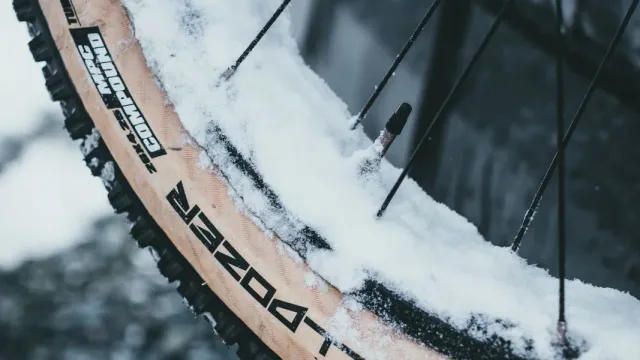
Winter Bike Tire Width: Clearance, Grip, and Surface Conditions
Choose winter bike tire width from actual clearance, rim and tire limits, fenders, load, and surface conditions instead of a universal snow-width rule.


10 posts with this tag
Choose winter bike tire width from actual clearance, rim and tire limits, fenders, load, and surface conditions instead of a universal snow-width rule.
Choose a commuter bike tire width by checking rim compatibility, frame clearance, riding surface, load, and the tradeoffs that matter to your route.
Learn when studded bike tires help on ice, how to choose a compatible winter tire, and how to set up, inspect, and ride them safely.
Set winter bike tire pressure from the tire and rim limits, then make small changes for load, tire volume, snow, ice, temperature, and riding control.
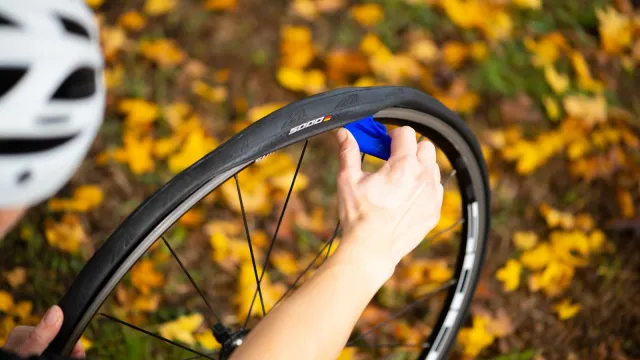
Use the sealant maker's chart. Current Stan's guidance starts at 50 ml for 700x28, 80 ml for 650x47, and 105 ml for 29x2.3 tires.
Tubeless is best for lower pressure, puncture sealing, and trail grip. Inner tubes are simpler, cleaner, and easier for occasional riders to maintain.
Clean bicycle tires with water, mild soap, and a soft brush. Skip tire shine, solvents, and pressure washing, then inspect the rubber and brakes for damage.

Some bike tires are directional and some are not. Follow the arrow or Front and Rear markings on the sidewall, then confirm the tire maker's instructions.
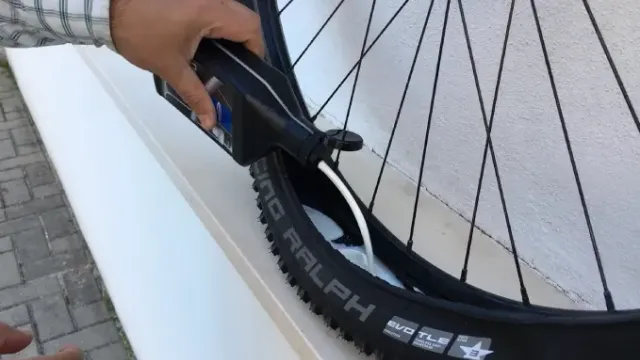
Install tubeless bike tires with compatible rims, tires, tape, valves, and sealant. Seat both beads within the makers' limits, then inspect for leaks.
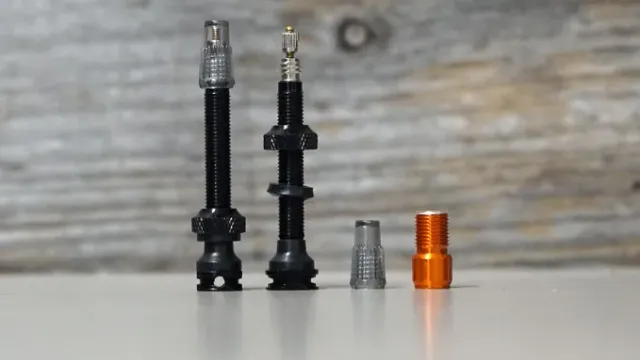
A new bike tire does not automatically need a new valve stem. Learn when to safely reuse or replace a tube valve, tubeless stem, or removable valve core.