How to Tell if a Bike Cassette Is Worn
Check a bike cassette for hooked teeth, skipping, uneven wear, and loose parts, then separate cassette wear from chain, freehub, and indexing faults.
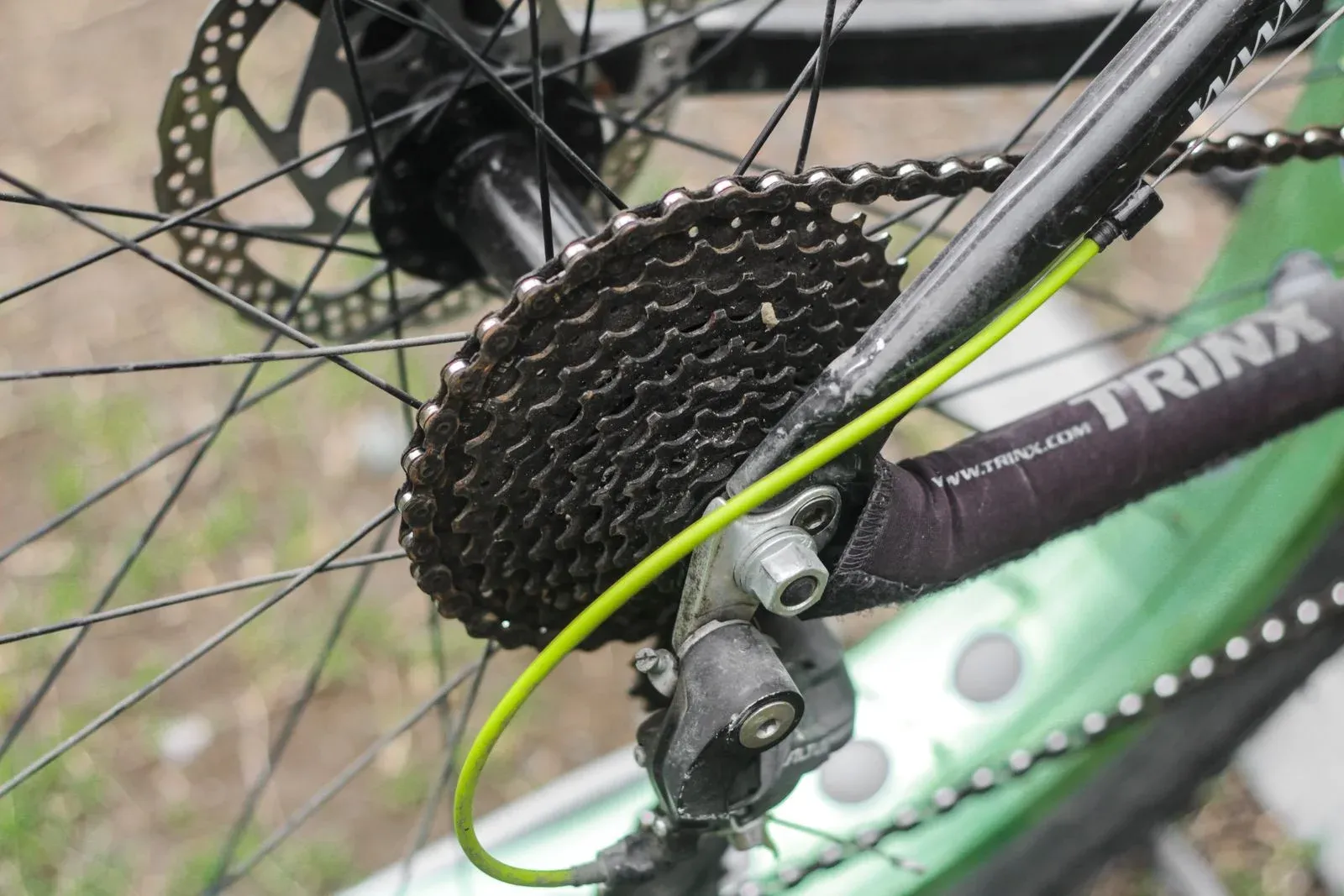
Table of Contents
- What does a worn cassette look like?
- Which symptoms point toward cassette wear?
- How do you inspect a cassette safely?
- Can a new chain reveal a worn cassette?
- Could a loose cassette or freehub imitate wear?
- Does indexing cause a cassette to seem worn?
- Should the cassette and chain be replaced together?
- Frequently asked questions
- Product selection
- How we researched this guide
- Bottom line
- Sources
The clearest sign of a worn bike cassette is a repeatable skip or poor chain engagement on particular sprockets, especially after a correctly sized new chain is installed. Hooked or sharp-looking teeth, noisy shifting, and visible damage add evidence, but a visual check alone cannot diagnose every cassette. A loose cassette, worn chain, stiff link, bent hanger, freehub fault, or poor indexing can feel similar.
Use the bike drivetrain maintenance hub as the inspection map. Measure the chain with the bike chain wear guide, clean the sprockets with the rear cassette cleaning guide, and compare front-ring symptoms in our chainring inspection guide. The chainline guide covers alignment measurements that can mimic rear-sprocket wear.
Key Takeaways
- Inspect the chain, cassette, freehub, derailleur, and chainline together. A cassette is not proven worn just because its teeth look different from a new part.
- A controlled diagnostic with a compatible, correctly installed chain can reveal skipping on specific sprockets, but stop rather than forcing the pedals against a fault.
- Replace only with a cassette that matches the hub body, speed family, range, chain, derailleur capacity, and maker instructions. A plug-shaped lockring or matching tooth count is not enough.
What does a worn cassette look like?
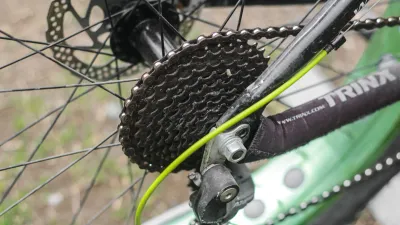
A worn cassette may have teeth with a hooked loading face, a sharp point, a flattened or irregular tip, or a profile that differs noticeably between heavily used and lightly used sprockets. Look at several teeth around each sprocket after removing dirt. Some sprockets have ramps and pins that are intentionally different, so asymmetry by itself is not a replacement test.
Compare the sprockets that receive the most climbing or acceleration use with the larger and smaller cogs. Uneven wear is common when a rider spends much of the time in a small group of gears. A cracked tooth, missing tooth, badly bent tooth, or damaged lockring interface is a stop condition regardless of mileage.
Park Tool explains that a worn chain can mesh poorly with cassette sprockets and chainrings, contributing to skipping and other shifting problems (When to Replace a Chain on a Bicycle, retrieved September 2, 2026). Clean the drivetrain and assess chain wear before treating a tooth profile as evidence of cassette failure.
Which symptoms point toward cassette wear?
The symptom pattern matters more than a single noise. A cassette becomes more suspect when all of the following are true:
- the chain and connecting link are compatible and within the chain maker’s service condition;
- the skip repeats on one or a few rear sprockets;
- the derailleur is correctly installed and indexed;
- the cassette and lockring are tight according to the hub and cassette maker;
- the chain is seated correctly and the chainline is not visibly abnormal; and
- the symptom persists after cleaning and correcting an obvious stiff link or damaged tooth.
A skip across many sprockets is more likely to involve cable tension, hanger alignment, chain length, freehub engagement, chainline, or a broader chain problem. A click at one spot in each chain revolution suggests a stiff or damaged link rather than a single cassette tooth. A chain that moves laterally because the wheel or cassette is loose needs immediate attention.
Use the chain skipping under load guide for a pattern-based differential. Do not stand on the pedals or ride a hill to make a skip happen.
How do you inspect a cassette safely?
Inspect the cassette with the bicycle stable and the drivetrain unpowered. You do not need to remove the cassette for an initial check.
- Secure the bicycle. Use a stable stand or support. Keep fingers, hair, and clothing clear of the chain, sprockets, and derailleur. If it is an e-bike, switch the drive system off and follow the bicycle maker’s battery-handling directions.
- Clean the sprockets. Brush and wipe away grit so the tooth shape and gaps are visible. Park Tool’s cleaning guidance recommends a bicycle-safe cleaning process and warns against high-pressure water around bearings (Bike Washing and Cleaning, retrieved September 2, 2026). Keep cleaner away from disc rotors and brake pads.
- Look around the full cassette. Check every sprocket for cracks, bent or missing teeth, packed debris, and a loose-looking stack. Inspect the smallest cogs and any separate spacer for the correct order.
- Check lateral movement. With the wheel installed and held as the bicycle maker directs, look for cassette movement relative to the hub. Do not place a hand near a spinning wheel. A loose lockring or damaged freehub body needs the correct removal tool and service procedure.
- Turn the cranks by hand. Observe the chain entering and leaving each sprocket. Stop if the chain jams, drops toward the spokes, or catches on a tooth.
- Record the pattern. Note the rear sprocket, gear combination, direction of shift, and whether the fault follows a chain link or a sprocket.
If the cassette tool, lockring standard, hub body, or torque requirement is unknown, leave removal to a qualified bicycle technician. Do not tighten a lockring by guessing or use an impact tool without the maker’s procedure.
Can a new chain reveal a worn cassette?
Yes, a compatible new chain can expose a cassette that no longer meshes with it, but this is a diagnostic observation rather than a universal test. Size and join the chain using the bike chain replacement guide, confirm that the derailleur is routed correctly, and check every gear with the bicycle securely supported. If it skips on specific sprockets, stop the test and inspect the cassette and chainline.
Do not apply maximum pedal force, hold a brake against a turning crank, or ride in traffic to reproduce the skip. A chain that climbs a tooth can suddenly lose support. A repair stand test must still follow the bicycle, chain, and drivetrain maker’s instructions and keep the wheel and drivetrain clear of people.
Shimano recommends using a compatible chain and checking for chain wear because chain and sprocket condition affect drivetrain operation (How to Check Your Chain Length, retrieved September 2, 2026). The exact cassette replacement decision depends on the component family, chain, riding conditions, and the maker’s service information.
Could a loose cassette or freehub imitate wear?
Yes. A loose lockring, damaged cassette body splines, missing spacer, incorrect sprocket order, freehub play, or intermittent hub engagement can produce movement, noise, or skipping that resembles worn teeth. Check the wheel retention and hub condition before buying a cassette.
Do not ride if the cassette stack moves laterally, the wheel is loose, the freehub disengages under load, or the lockring threads are damaged. The wheel, hub, and cassette interfaces carry pedaling and braking loads. Have an experienced mechanic identify the exact hub body and replacement parts when the interface is uncertain.
Does indexing cause a cassette to seem worn?
It can. Incorrect cable tension, a bent derailleur hanger, a damaged derailleur, contaminated or kinked housing, incorrect limit settings, or a chain that is too long can make the chain sit between sprockets. A misaligned pulley can add noise and slow shifts without proving that the cassette is worn.
Use the mechanical bicycle gear adjustment guide after checking the hanger, wheel, chain, and cassette. Limit screws protect the travel range; they do not correct a bent hanger or worn sprocket. If the derailleur reaches toward the spokes, stop immediately. A maker’s service manual or a qualified technician should handle uncertain hanger alignment.
Should the cassette and chain be replaced together?
Not by default. Replace a chain at the chain maker’s limit and replace a cassette when its teeth or engagement are outside the cassette maker’s service condition. If a worn chain has been used for a long time, the cassette may have adapted to its longer pitch and skip with a new chain. A new cassette may still need a correctly sized chain, correct spacers, and indexing.
Record the cassette range and speed family before ordering. Confirm the freehub standard, sprocket sequence, lockring, chain width, derailleur capacity, and any required spacer. The chain sizing guide helps keep a cassette change separate from a chain-length mistake.
Frequently asked questions
How many miles does a bike cassette last?
There is no defensible mileage interval for every cassette. Wear depends on chain condition, cleaning, contamination, rider load, terrain, shifting practice, sprocket material, and which gears are used. Inspect when shifting deteriorates or a compatible new chain skips, then follow the component maker’s criteria.
Can I replace only one cassette sprocket?
Some cassette families allow individual sprocket replacement and others use grouped carriers or different matched parts. Identify the exact model and follow its parts diagram. Do not mix a similar-looking sprocket or spacer into a stack unless the maker approves the combination.
Do sharp cassette teeth always mean replacement?
No. Tooth profiles include ramps and pins, and dirt can exaggerate edges. Compare repeated symptoms with a clean cassette, check chain wear, and look for damage or poor engagement. A bent, cracked, or missing tooth is more urgent than a profile that merely looks different.
Why does a new chain skip on an old cassette?
The old cassette may be worn to the pitch of the previous chain. The new chain then loads the sprocket differently and can climb the tooth under pressure. A wrong chain width, stiff link, loose cassette, poor indexing, or chainline problem can also cause the skip.
Can cleaning fix a worn cassette?
Cleaning can remove grit that blocks smooth seating and can make inspection possible, but it cannot restore worn metal or a broken tooth. Clean first, then reassess with the chain and shifting system identified.
Is a freewheel the same as a cassette?
No. A cassette mounts sprockets to a freehub body while the ratchet mechanism is in the hub. A freewheel combines sprockets and its ratchet body. The removal tool, replacement part, and diagnosis differ, so identify the system before ordering or applying force.
Product selection
These examples were selected from Bright Data Amazon listing and specification research retrieved September 2, 2026. This is not hands-on testing. A chain wear gauge measures the chain, not the cassette, so use the exact chain and component limits and treat any skipping or tooth damage as a reason to inspect the whole drivetrain.
Chain wear gauge
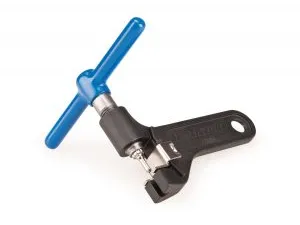
Park Tool CC-4.2 Bicycle Chain Wear Checker
A useful first measurement before blaming a cassette for a skip
Selected from the verified Park Tool listing. Apply the chain maker's service limit rather than a generic assumption.
Best for: Riders separating chain wear from possible cassette wear
Key specifications: Listing identifies 5 to 13-speed and single-speed chain coverage with 0.5%, 0.75%, and 1.0% go/no-go marks
Trade-off: The gauge does not inspect cassette teeth, freehub engagement, indexing, or chainline
Check price on AmazonSimple go/no-go gauge
Park Tool CC-3.2 Bicycle Chain Checker 5-12 Speed
A straightforward chain measurement tool when its range matches the drivetrain
Selected from the verified Park Tool listing. Confirm the chain manufacturer's wear limit.
Best for: Riders checking compatible 5 to 12-speed chains
Key specifications: Listing identifies 1/2-inch pitch chains, most 5 to 12-speed systems, and 0.5% and 0.75% marks
Trade-off: A simpler gauge still cannot prove a cassette, freehub, or derailleur fault
Check price on AmazonHow we researched this guide
This is research-based maintenance guidance, not a mileage claim, laboratory wear test, or hands-on report. DataForSEO research on September 2, 2026 showed informational demand around visual wear, cassette life, replacement, and skipping after a new chain. We used Park Tool and Shimano maintenance references to separate sprocket wear from chain, freehub, indexing, and chainline causes. Component-specific limits remain with the relevant maker.
Bottom line
A cassette is most likely worn when a compatible, correctly installed chain skips on the same sprockets after the cassette is clean, tight, aligned, and correctly indexed. Confirm the chain, freehub, derailleur, chainline, spacers, and hub fit before replacing parts. Stop riding for a loose cassette, damaged tooth, freehub disengagement, chain near the spokes, or any fault that requires force to reproduce.
Sources
- Park Tool, “When to Replace a Chain on a Bicycle,” retrieved September 2, 2026, https://www.parktool.com/en-us/blog/repair-help/when-to-replace-a-chain-on-a-bicycle
- Park Tool, “Bike Washing and Cleaning,” retrieved September 2, 2026, https://www.parktool.com/en-us/blog/repair-help/bike-washing-and-cleaning
- Park Tool, “Rear Derailleur Adjustment,” retrieved September 2, 2026, https://www.parktool.com/en-int/blog/repair-help/rear-derailleur-adjustment
- Shimano, “How to Check Your Chain Length,” retrieved September 2, 2026, https://bike.shimano.com/stories/article/determine-chain-length.html
- Shimano, “General Operation,” retrieved September 2, 2026, https://si.shimano.com/en/pdfs/dm/GN0001/DM-GN0001.pdf