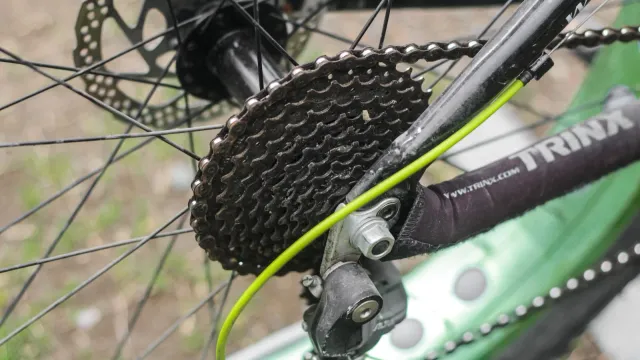
Why a Bike Chain Keeps Falling Off
A bike chain can fall off from derailleur limits, poor indexing, chainline, worn teeth, wrong length, or a stiff link. Diagnose where and when it drops.

10 posts with this tag
A bike chain can fall off from derailleur limits, poor indexing, chainline, worn teeth, wrong length, or a stiff link. Diagnose where and when it drops.
Worn chainring symptoms include tooth deformation, chain suck, skipping, and poor meshing. Inspect the chain and cassette before deciding what to replace.
Replace a bike chain safely by identifying the drivetrain, sizing from the exact manual, using the approved connector, and checking every gear before riding.
Protect a bike chain in winter by removing salt and grit, drying it fully, choosing wet or dry lube for the conditions, and checking for rust or wear.
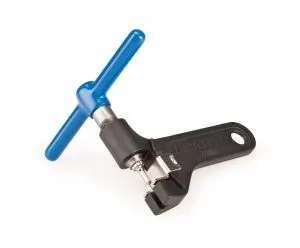
The Park Tool CT-3.3 is the best home chain breaker here; the compact CT-5 is the better carry option. Check exact chain and joining-system compatibility first.
Match a bike master link to the exact chain model, speed family, width and profile, direction, and reuse rule. Similar-looking links are not automatically compatible.
Chain skipping under hard pedaling usually points to worn or misadjusted drivetrain parts, but a loose cassette, stiff link, or slipping freehub can feel similar.
Set single-speed chain tension at the drivetrain's tightest point, keep the wheel centered, and use the bicycle maker's axle-retention procedure.
Size a bike chain with the method specified for your drivetrain. Learn the large-to-large and single-speed methods, then verify suspension movement and shifting.
Remove only light surface rust from a sound bike chain by cleaning, drying, and lubricating it. Replace a stiff, pitted, cracked, or heavily corroded chain.