Winter Bike Chain Care: Cleaning, Lube, and Rust Prevention
Protect a bike chain in winter by removing salt and grit, drying it fully, choosing wet or dry lube for the conditions, and checking for rust or wear.
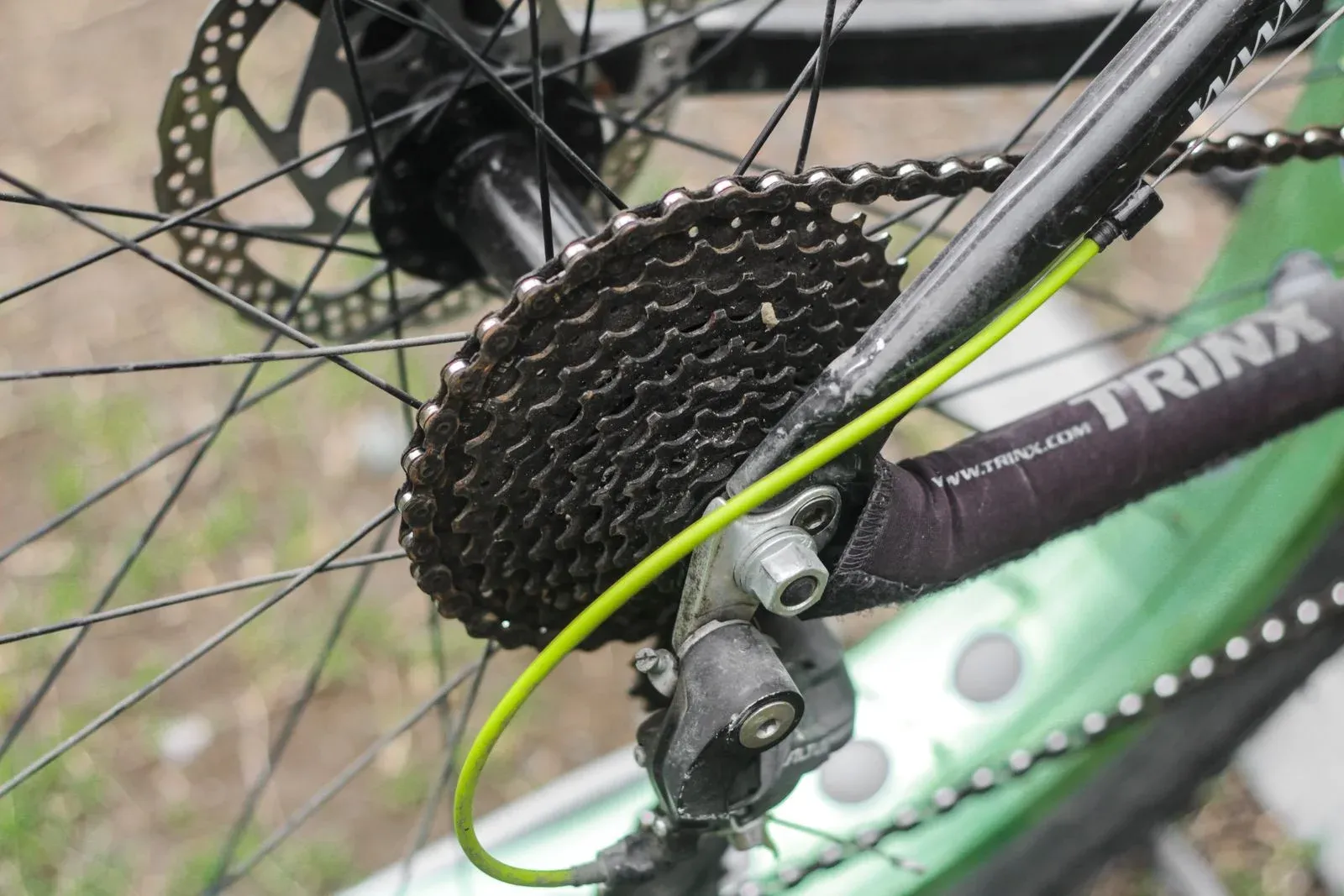
Table of Contents
- Which chain lubricant is right for winter?
- What do you need for winter chain care?
- Step 1: Inspect the chain before cleaning
- Step 2: Remove salt and grit
- Step 3: Dry the chain completely
- Step 4: Apply lube to the rollers, then wipe it down
- Step 5: Build a repeatable winter check
- What are the common chain-care mistakes?
- Product selection
- Frequently asked questions
- Bottom line
- Sources
Winter bike chain care has four jobs: remove road salt and grit, dry the chain, apply a lubricant suited to the conditions, and inspect for rust, stiffness, or wear. A wet-weather ride usually needs more frequent attention than a dry ride. This is research-based guidance, not a personal durability test.
Park Tool’s How to Clean and Lubricate a Chain uses at least thirty backward chain revolutions during its scrubber procedure, followed by rinsing, drying, and relubrication. That procedure applies to the named Park Tool equipment. The safe general principle is to clean until abrasive residue is gone, then follow the cleaner and lube instructions for the exact products.
Keep lubricant away from brakes
Do not let degreaser, chain lube, wax, or an oily rag contact disc rotors, brake pads, rim-brake tracks, or tire tread. If a braking surface may be contaminated, stop riding and follow the brake maker’s cleaning or replacement procedure.
Which chain lubricant is right for winter?
Choose a bicycle chain lubricant by the moisture and dirt the chain will actually see, not by the word “winter” on a bottle. Park Tool’s Guide to Bicycle Lubricants and Compounds describes wet lubes as higher-viscosity products for humid or rainy conditions, while dry lubes generally attract less dirt in dry, dusty conditions.
Use the product maker’s directions and treat these as starting categories:
- Wet lube can suit repeated rain, slush, or wet roads, but wipe away excess that can hold grit.
- Dry lube can suit a dry, cold route, but it may need renewed application after water removes it.
- Wax-based products need their own preparation and application process. Do not mix systems casually.
- A bicycle-specific product is preferable to a household penetrating oil. Park Tool says common WD-40-type penetrating oil is not an ideal regular chain lubricant.
No lube prevents every rust problem. Water, de-icer, poor drying, worn plating, and trapped grit can still damage a chain. If the exact product is not identified, use its label or ask a bicycle mechanic before applying it.
What do you need for winter chain care?
Prepare the bicycle and tools before opening a degreaser. A stable stand is useful, but the bike can rest securely against a support if the chain can turn without the bicycle falling. Keep dirty and clean rags separate, and protect the floor from solvent and salt residue.
Gather:
- A chain-cleaning device or drivetrain brush approved for bicycle use
- Bicycle-compatible degreaser and a container for used solvent
- Mild soapy water if the cleaner instructions allow a rinse
- A dry brush for loose grit
- Several clean, lint-free rags
- Bicycle chain lubricant for the expected conditions
- Gloves and eye protection required by the cleaner label
- A chain-wear gauge if the chain’s age or condition is unknown
Do not use a hard brush on a brake rotor. Do not put solvent into a hub, freehub, bottom bracket, headset, suspension seal, or e-bike connector. If the bike uses a belt drive instead of a chain, use the belt maker’s cleaning instructions rather than this procedure.
The winter bike maintenance guide gives this chain routine a place in a broader inspection. For tools and repair limits, see the existing bike tool-kit guide.
Step 1: Inspect the chain before cleaning
Inspect first so cleaning does not hide a part that needs replacement. Look for orange or dark corrosion, stiff links, cracked plates, bent pins, a missing roller, a damaged connecting link, and chain wear beyond the maker’s service limit. Park Tool recommends checking chain wear before beginning its full cleaning procedure.
Turn the crank slowly and watch every link pass through the derailleur. A stiff link may jump, tick, or resist straightening. Do not force it through a chain scrubber until you know the plates and pins are intact.
Record the drivetrain type and the chain’s speed or model if you need a replacement. A connecting link that fits one chain may not fit another. Our master-link compatibility guide explains why speed, direction, and reuse instructions matter.
Stop and seek service when a plate is cracked, a pin is backing out, a roller is missing, the chain has deep corrosion, or the chain repeatedly jams. A brush and lubricant cannot restore a damaged link.
Step 2: Remove salt and grit
Remove loose grit before applying a solvent. A dry brush or cloth can clear snow and surface debris without turning it into a wet abrasive paste. Then use a bicycle-compatible degreaser according to its label. Park Tool’s chain-cleaner method starts with degreaser, turns the chain through the device, and follows with a soapy rinse.
- Shift the chain to a position that makes the drivetrain easy to reach.
- Place a mat or cardboard below the chainrings and rear wheel.
- Brush loose salt and grit away from the chain, chainrings, cassette, and pulley wheels.
- Apply cleaner to the brush or chain device rather than flooding the bicycle.
- Turn the cranks backward slowly while the cleaner contacts the chain.
- Work through the entire chain, then wipe residue away with a dirty-work rag.
- Rinse only as the cleaner label permits, using controlled water away from bearings.
Use a separate tool for the cassette and pulley wheels. If a brush touches oily parts, do not use it later on a brake rotor or rim track. Dispose of used solvent according to its label and local requirements.
If the chain remains gritty, repeat the controlled cleaning rather than adding more lube. Lubricant over grit creates a paste that can accelerate wear and transfer contamination through the drivetrain.
Step 3: Dry the chain completely
Dry the chain before lubrication. Run it through a clean, dry rag while turning the cranks, then leave the bicycle in a ventilated space until hidden water has drained. Park Tool allows air drying or careful compressed air, but warns against blasting bearings directly.
Pay attention to the chain’s inside surfaces and the spaces around the rollers. Do not heat a chain with an open flame or an unapproved high-heat device. If the bicycle is frozen, thaw it before moving cables, derailleurs, brakes, or electronic parts.
Check the chain again after drying. Surface discoloration may be residue, but deep pitting, flaking, seized links, and rough movement are reasons to replace or professionally assess the chain. The right response depends on the chain’s material, wear, and maker’s limit.
The useful checkpoint is the dry-chain inspection. It separates a lubrication problem from a damaged-link problem. If the chain still feels rough when it is clean and dry, adding a thicker winter lube can mask the symptom without correcting the fault.
Step 4: Apply lube to the rollers, then wipe it down
Apply lubricant to the chain’s moving interfaces, not as a thick coating over the outside plates. Park Tool’s wash procedure places one small drop at each link and wipes the excess from the chain afterward. Treat that as a Park Tool-specific starting method, because applicator tips and product directions vary.
- Shake or prepare the lubricant as its maker directs.
- Place a small amount on the chain rollers or links while turning the cranks slowly.
- Keep the bottle tip away from the tire and braking surfaces.
- Continue until the full chain has received the product.
- Let the product reach the label’s stated readiness if it provides one.
- Hold a clean rag around the chain and turn the cranks to remove outside excess.
The chain should move quietly and freely without leaving a heavy wet film on the cassette. Do not lubricate the cassette teeth as a substitute for chain lubrication. Avoid mixing a wax system with an oil system without following the product maker’s preparation instructions.
After a salty or very wet ride, use the post-ride bike-cleaning tutorial before applying lube. If the bicycle will sit for several days, the winter storage guide covers shelter and drying.
Step 5: Build a repeatable winter check
Winter chain care works best as a repeatable check after conditions change. REI’s Biking in Winter: Gearing Up advises wiping the chain and drivetrain after especially grimy rides, with a more thorough clean and lube every few weeks for regular winter riders. Those are general recommendations, not a substitute for inspecting a chain that looks damaged.
Use a shorter interval when the chain is visibly gritty, wet, noisy, or exposed to de-icer. Use the chain maker’s guidance when it specifies a service interval. At every check:
- Wipe off surface moisture and grit.
- Turn the crank and listen for grinding or repeated clicks.
- Check for stiff links and a chain that does not settle onto the sprocket.
- Look for rust at the rollers, pins, and plates.
- Confirm that lube has not reached a rotor, pad, rim track, or tire.
- Inspect shifting and derailleur movement at low risk before a normal ride.
Use the road-salt protection guide for exposed frame and hardware checks. If the chain skips under load or shifting remains poor, use the chain-skip diagnostic rather than turning the barrel adjuster repeatedly. The winter tire pressure guide covers the adjacent wheel check before a wet-weather ride.
What are the common chain-care mistakes?
Using penetrating oil as the regular lube
Penetrating oil can displace moisture, but it is not automatically a suitable bicycle chain lubricant. Park Tool specifically says common WD-40-type penetrating oil is not ideal for regular chain lubrication. Use a product labeled for bicycle chains and the conditions.
Applying lube to a dirty chain
Lube does not remove salt or abrasive grit. Brush and clean first, dry the chain, then apply the product and wipe away excess.
Leaving the chain wet overnight
Water left on a chain can promote corrosion. Dry the chain after cleaning or a wet ride, and inspect it again when surface rust or rough movement appears.
Using one rag everywhere
A rag used on chain lube can contaminate a brake rotor or rim track. Mark dirty drivetrain rags and keep braking-surface cloths clean.
Forcing a stiff or damaged link
A chain with a cracked plate, missing roller, or seized link needs the correct repair or replacement. Do not bend it until it appears to move freely.
This is research-based product selection, not hands-on testing.
Product selection
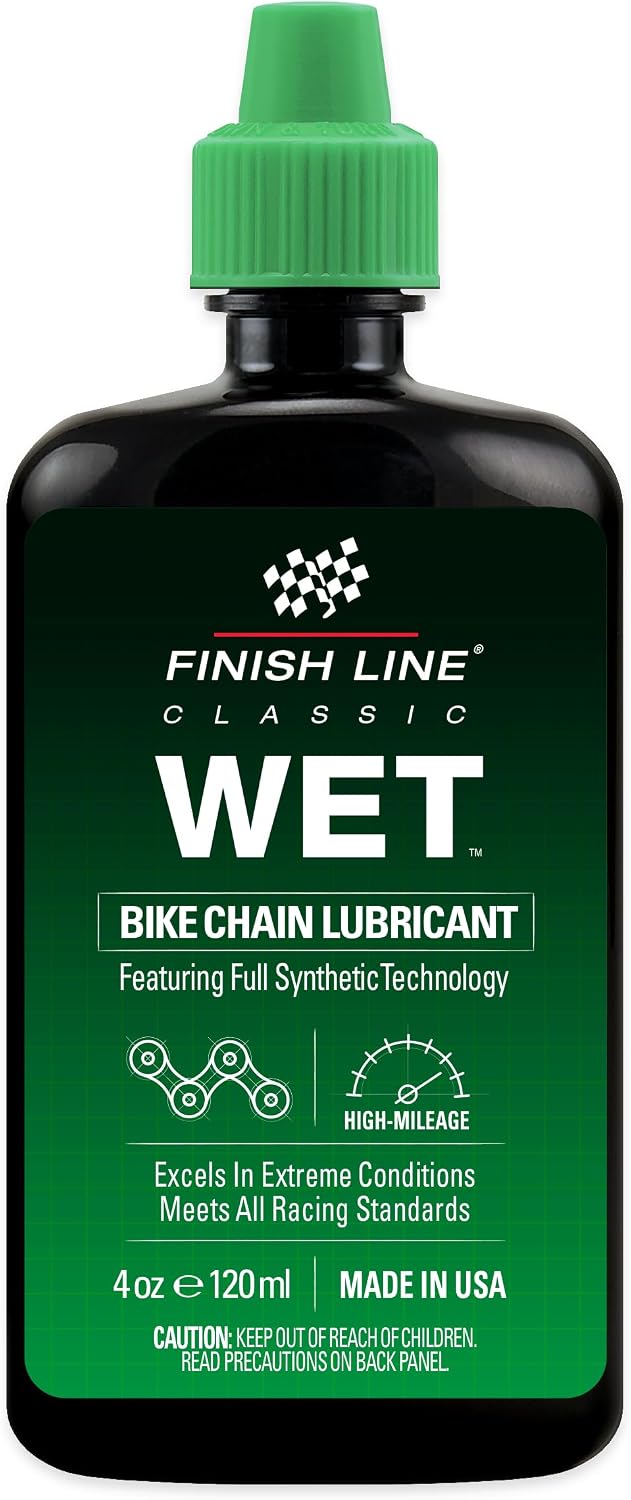
These cards illustrate two different wet-condition lube descriptions without turning a listing into a universal recommendation. Bright Data verified the exact Amazon listing title, ASIN, brand, and selected listed fields on September 2, 2026. This is product-listing research, not a durability, corrosion, or hands-on test. Clean and dry the chain first and follow the maker’s directions.
Wet-lube example
Finish Line Wet Bike Chain Lubricant 4 fl oz
A reasonable research example when the bike sees persistent moisture and the chain is cleaned first.
Bright Data verified the Finish Line title, ASIN, wet-style type, volume, and high-viscosity listing detail.
Best for: Chains exposed to rain, spray, or muddy winter roads
- Type
- Wet-style bicycle chain lubricant
- Volume
- 4 fluid ounces listed
- Viscosity
- High viscosity listed
Trade-off: Its wet film must be wiped clean enough that it does not hold abrasive grit.
Check price on AmazonAll-condition lube example
Park Tool CL-1.2 Bicycle Chain Lube, 4 fl. oz.
A useful comparison point when the rider wants one bicycle-chain product category to evaluate.
Bright Data verified the Park Tool title, ASIN, bottle volume, bicycle-chain compatibility, and listed use claims.
Best for: Riders comparing a bicycle-specific lube listed for wet or dry conditions
- Volume
- 4 fluid ounces or 118 milliliters listed
- Use
- Compatible with all bicycle chains listed
- Claimed role
- Moisture displacement and corrosion protection listed
Trade-off: The listing's broad condition language still requires the maker's application and cleaning procedure.
Check price on AmazonFrequently asked questions
Is wet lube better for winter riding?
Wet lube can suit rainy or humid conditions, but it is not automatically best for every winter route. Park Tool describes wet lube as higher viscosity for humid or rainy climates and dry lube as useful in dry, dusty conditions. Follow the exact product directions and wipe excess.
How often should you lube a bike chain in winter?
Lube after cleaning and drying, then check the chain after wet or salty rides. REI recommends wiping the chain after especially grimy rides and a fuller clean and lube every few weeks for regular winter use. Weather, route debris, and the lube product can shorten that interval.
Can you use WD-40 on a bike chain?
Do not rely on common WD-40-type penetrating oil as regular chain lubrication. Park Tool says it may work temporarily in a pinch but is not an ideal chain lubricant. Use a bicycle chain product matched to wet or dry conditions instead.
How do you remove rust from a bike chain?
Light surface residue may come off during a careful clean, but deep pitting, seized links, flaking metal, or repeated rough movement is a replacement or mechanic-inspection condition. Clean and dry the chain first so you can distinguish residue from structural damage.
Should you lube the chain after washing the bike?
Yes, dry the chain first and then apply chain lubricant according to the product directions. Park Tool’s bicycle wash procedure dries and relubricates the chain as a final step. Keep the product away from all braking surfaces and wipe off outside excess.
Bottom line
Clean winter chain care is simple but deliberate: inspect, remove salt and grit, dry completely, apply the correct bicycle chain lube, and wipe away excess. Shorten the check interval after wet or salty rides. Replace or service a chain when links are damaged, deeply corroded, worn beyond the maker’s limit, or still rough after cleaning.
Sources
- Park Tool, How to Clean and Lubricate a Chain, retrieved 2026-09-01.
- Park Tool, The Park Tool Guide to Bicycle Lubricants and Compounds, retrieved 2026-09-01.
- Park Tool, How to Wash a Bicycle, retrieved 2026-09-01.
- REI, Biking in Winter: Gearing Up, retrieved 2026-09-01.