Why Bike Brakes Squeal and How to Stop It
Find why bike disc brakes squeal, check contamination and alignment safely, and know when noise means stop riding or replace a part.
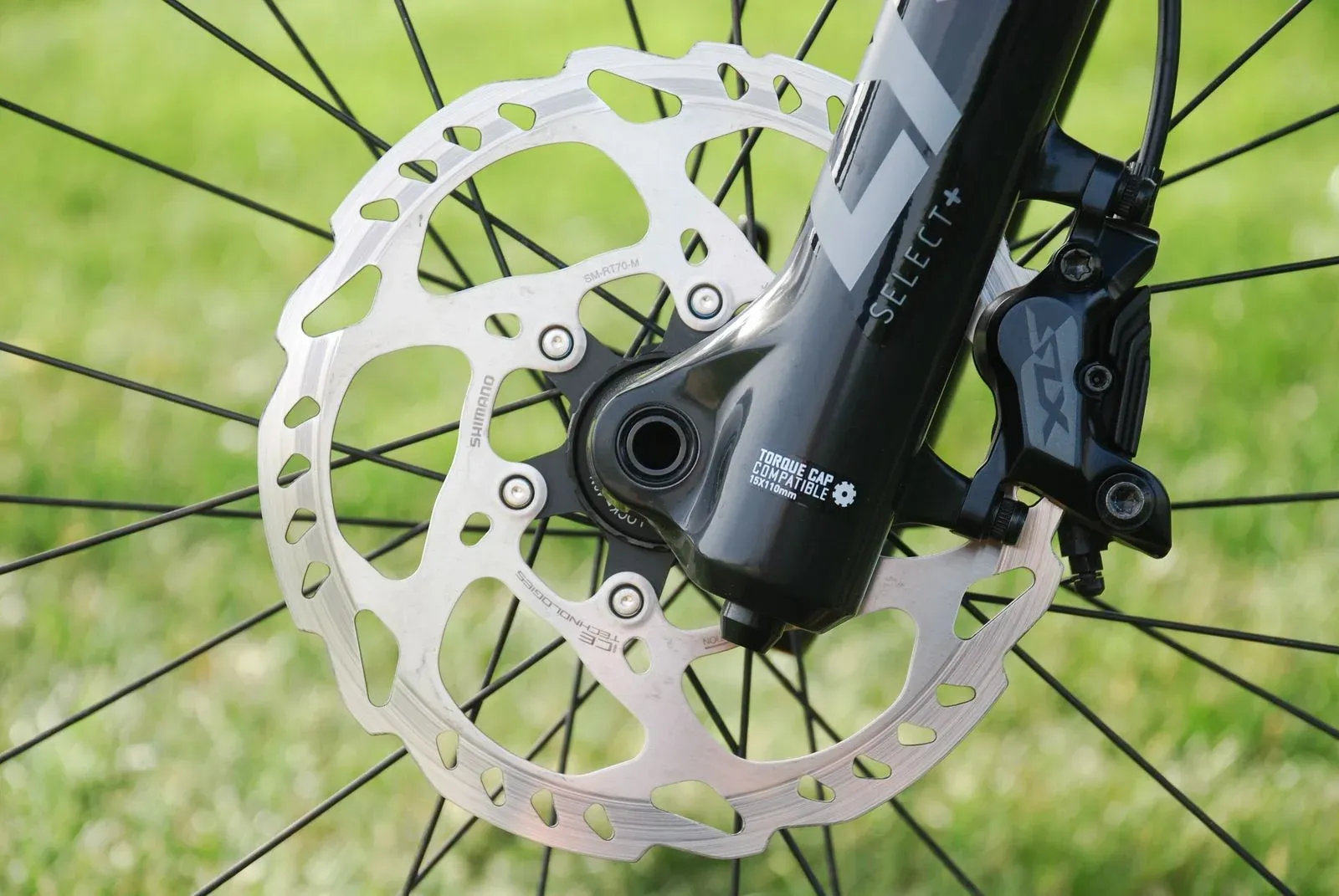
Table of Contents
- Why do bike brakes squeal?
- Is brake squeal normal after rain?
- Can oil or grease cause bike brake squeal?
- Can a bent rotor make brakes squeal?
- Can caliper alignment cause squeal?
- Do new pads need bed-in to stop squealing?
- How should you diagnose squeal safely?
- How do you stop bike brake squeal?
- What about mechanical and hydraulic brakes?
- Frequently asked questions
- How we researched this guide
- Bottom line
- Sources
Bike disc brakes squeal when vibration develops between the pad, rotor, caliper, and wheel system. Common categories include water or grit, oil or grease contamination, pad or rotor condition, caliper alignment, loose hardware, a wheel that is not seated, and a brake fault. Noise alone does not identify the cause. Start with a cool, stable bicycle and stop riding if braking is weak, inconsistent, or changed.
Noise with a brake change is a stop condition
Do not ride when squeal comes with a soft lever, a lever that reaches the handlebar, weak braking, vibration, a fluid leak, a loose wheel, loose rotor or caliper hardware, a cracked or badly bent rotor, damaged pads, or a cable or hose problem. Do not spray lubricant, WD-40, or an unapproved silencing product on a rotor or pad.
Why do bike brakes squeal?
Squeal is a vibration and friction symptom, not a part number. A clean brake can make a short noise when wet, while a contaminated pad can squeal and lose braking. A rubbing rotor, loose rotor interface, misaligned caliper, sticky piston, cable drag, worn pad, incorrect pad compound, or incorrectly seated wheel can create similar sounds.
Park Tool’s disc-brake pad guide identifies contamination, pad condition, pad material, and correct pad identification as important service checks (retrieved September 2, 2026). Its rotor-truing guide adds wheel seating, hub play, caliper alignment, cable drag, hydraulic pistons, mounts, and rotor hardware to the possible-cause list.
The bike brake-pad wear guide helps check whether the noise is accompanied by wear or contamination. Do not treat a familiar sound as proof that the brake is safe.
Is brake squeal normal after rain?
Water and road grit can create temporary noise, but wet conditions can also reduce braking and tire traction. After a wet ride, allow the brake to dry according to its maker’s guidance and inspect the rotor, pads, caliper, wheel, and hardware. Do not drag a brake in traffic or on a steep descent to force it quiet.
If the noise disappears while braking remains normal, it may be a surface-condition symptom. If the lever changes, the rotor vibrates, braking is weak, or the squeal continues with visible contamination or damage, stop and arrange service. Shimano’s hydraulic brake user manual tells riders to check braking, leakage, pad condition, rotor damage, and abnormal noises before riding (retrieved September 2, 2026).
The winter braking guide covers early braking, visibility, wet roads, and low-traction surfaces. Those route factors matter more than finding a spray that masks sound.
Can oil or grease cause bike brake squeal?
Yes, oil, grease, chain lube, sealant, and fingerprints can contaminate a pad or rotor. Contamination can change friction and braking performance, so do not solve it by adding another product. Shimano warns that oil or grease on braking surfaces can prevent correct brake operation and publishes model-specific cleaning and replacement instructions.
Keep chain products and tire sealant away from the brake. Do not use a household solvent, general brake cleaner, or silencing agent unless the exact brake maker approves it. Shimano’s manual specifically warns that commercially available brake cleaners and silencing agents may damage seals for the covered system.
If a pad has absorbed contamination, follow the maker’s replacement instruction rather than assuming sanding or heating it is safe. Inspect the source of the contamination and the rotor before installing another pad. The disc-brake pad replacement tutorial covers model identification, pad retainers, and safe handling.
Can a bent rotor make brakes squeal?
Yes, a rotor that moves into the pad at one point can make a repeating scrape, tick, or squeal. But hub play, wheel seating, loose rotor hardware, and caliper position can create the same symptom. Rotate the wheel slowly with the bicycle supported and look for a repeating contact without touching the rotor.
Do not use a universal runout, thickness, or clearance number. Inspect the exact rotor instructions, and ask a mechanic when the rotor is cracked, severely bent, sharply damaged, below its maker limit, or still rubbing after a permitted correction. The bent-rotor fix-or-replace guide covers that decision separately.
Can caliper alignment cause squeal?
It can. A caliper that is not positioned as the maker specifies may leave uneven pad contact or persistent rotor rubbing. A mechanical cable can add drag, while a hydraulic piston can fail to retract as expected. A loose mount or pad retainer can also vibrate.
First confirm the wheel and axle are seated. Then identify the exact brake model and use its alignment, pad, piston, cable, or hose procedure. Do not loosen a caliper mount, turn a pad adjuster, open a hydraulic circuit, or press a piston with a sharp or contaminated tool as a guess.
The rubbing disc-brake guide provides an inspection order. A new squeal with a soft lever or weak braking is not an adjustment opportunity. It is a stop condition.
Do new pads need bed-in to stop squealing?
New pads and rotors should be bedded in when the maker requires it. SRAM describes bed-in as a controlled process that distributes pad material evenly on the rotor in its rotor overview (retrieved September 2, 2026). A correct process can change brake feel and noise, but bed-in cannot make contaminated, incompatible, loose, or damaged parts safe.
Use the exact manual’s speed, braking order, repetitions, and cooling guidance in a flat, clear area. Do not copy a 30-30-30 rule or a count from another brake. The bike disc-brake bed-in guide explains why maker instructions control.
How should you diagnose squeal safely?
Use an inspection sequence that changes as little as possible:
- Stop and let the rotor cool. Turn an e-bike off and follow its battery guidance.
- Check lever feel, braking response, wheel retention, and visible leaks or damage.
- Confirm the wheel is seated and the axle, rotor hardware, caliper, pad retainer, and cable or hose are secure.
- Look for oil, grease, sealant, fingerprints, grit, worn pads, cracks, sharp damage, or a repeating rotor contact.
- Check the exact brake and rotor manual for approved cleaning, alignment, pad, and bed-in steps.
- Correct one documented cause at a time, then perform a stationary check before any controlled ride.
Do not make several adjustments together. If you cannot tell whether the noise comes from the rotor, pad, hub, caliper, or wheel, stop and use a mechanic. The tubeless wheels and tire guide provides wheel and tire context but does not replace brake instructions.
How do you stop bike brake squeal?
The safe fix follows the cause:
| Finding | Safe next action |
|---|---|
| Wet surface with normal braking and no damage | Allow the system to dry and reassess in a safe area |
| Oil, grease, or sealant on a pad or rotor | Follow maker’s cleaning or pad-replacement process |
| Worn or wrong pad | Confirm the model and install the maker-approved part |
| Repeating rotor contact | Check wheel seating, hardware, hub, caliper, and rotor condition |
| Loose caliper, rotor, retainer, or axle | Stop and secure or service by the exact procedure |
| Soft lever, leak, or weak braking | Do not ride; arrange qualified inspection |
| Squeal after an impact or crash | Inspect rotor, wheel, hub, mount, fork, frame, and brake |
Do not mask a brake fault with lubricant, adhesive, random sanding, a guessed torque, or harder riding. If the maker does not document a safe home fix, a qualified mechanic is the next step.
What about mechanical and hydraulic brakes?
Both architectures can squeal. Mechanical brakes use a cable and housing, so cable routing, friction, pad adjusters, and caliper movement belong in the inspection. Hydraulic brakes use a hose and fluid circuit, so leakage, hose condition, piston movement, pad contamination, and exact fluid service matter. The hydraulic-versus-mechanical comparison explains the architecture without treating one as universally quieter.
Do not use a cable adjustment to compensate for a bent rotor or damaged mount. Do not open a hydraulic system because a noise is annoying. Service the cause, not the sound.
Frequently asked questions
Can I spray WD-40 on squealing bike brakes?
No. Keep WD-40, chain lube, grease, and unapproved sprays away from pads and rotors. They can contaminate braking surfaces and compromise control. Follow the exact brake maker’s cleaning or replacement instruction instead.
Why do my new disc brake pads squeal?
New pads may need the maker’s bed-in procedure, or they may be incompatible, contaminated, incorrectly installed, or contacting a rotor that is loose or not running true. Check the pad code, rotor, retainer, wheel seating, and manual. Stop for weak braking, vibration, a leak, or a changed lever.
Is squealing a sign that brake pads are worn out?
It can be, but noise alone cannot identify wear. Inspect pad thickness and condition using the exact brake maker’s specification. Replace pads only with the approved model and compound, and inspect the rotor and caliper for contamination or damage.
Why do bike brakes squeal only when wet?
Water and grit can temporarily alter friction, but wet roads also reduce tire traction and braking performance. Slow earlier, keep the bicycle stable, and reassess only in a controlled area. Persistent noise or any change in braking requires inspection.
Can I fix squeal by sanding the pads?
Do not assume sanding is an approved repair. Some contaminated or damaged pads should be replaced, and sanding can change pad thickness or contaminate the brake area. Use the maker’s procedure or a qualified mechanic.
Should I replace the rotor when brakes squeal?
Not automatically. First check wheel seating, hardware, hub play, caliper, pads, contamination, and rotor condition. Replace a rotor when its maker limit, damage, contamination, severe bend, crack, or service guidance calls for it.
How we researched this guide
This is research-based noise guidance, not a hands-on brake, pad, rotor, sound, heat, or stopping-performance test. We reviewed Park Tool’s pad and rotor references, Shimano’s current hydraulic brake manual, SRAM’s rotor guidance, and BikeRideReview’s brake and wheel articles on September 2, 2026. We did not invent a universal cleaning product, pad limit, rotor limit, torque, bed-in count, or noise threshold.
Bottom line
Treat squeal as a prompt to inspect, not a diagnosis. Keep products off the brake, confirm the wheel and hardware, identify contamination or damage, follow the exact maker procedure, and stop riding for any changed lever feel, weak braking, leak, loose part, vibration, or damaged rotor.
Sources
- Park Tool, “Disc Brake Pad Removal & Installation,” retrieved September 2, 2026, https://www.parktool.com/en-us/blog/repair-help/disc-brake-pad-removal-installation
- Park Tool, “Disc Brake Rotor Truing,” retrieved September 2, 2026, https://www.parktool.com/en-us/blog/repair-help/disc-brake-rotor-truing
- Shimano, “Hydraulic Disc Brake User Manual,” retrieved September 2, 2026, https://si.shimano.com/en/pdfs/um/8VR0A/UM-8VR0A-009-ENG.pdf
- SRAM, “Rotor Overview,” retrieved September 2, 2026, https://www.sram.com/en/learn/brake-welcome-guide/rotor-overview